Laser Therapy's Role in Veterinary Clinics
Veterinarians discuss the benefits and misconceptions surrounding laser therapy in animal health.
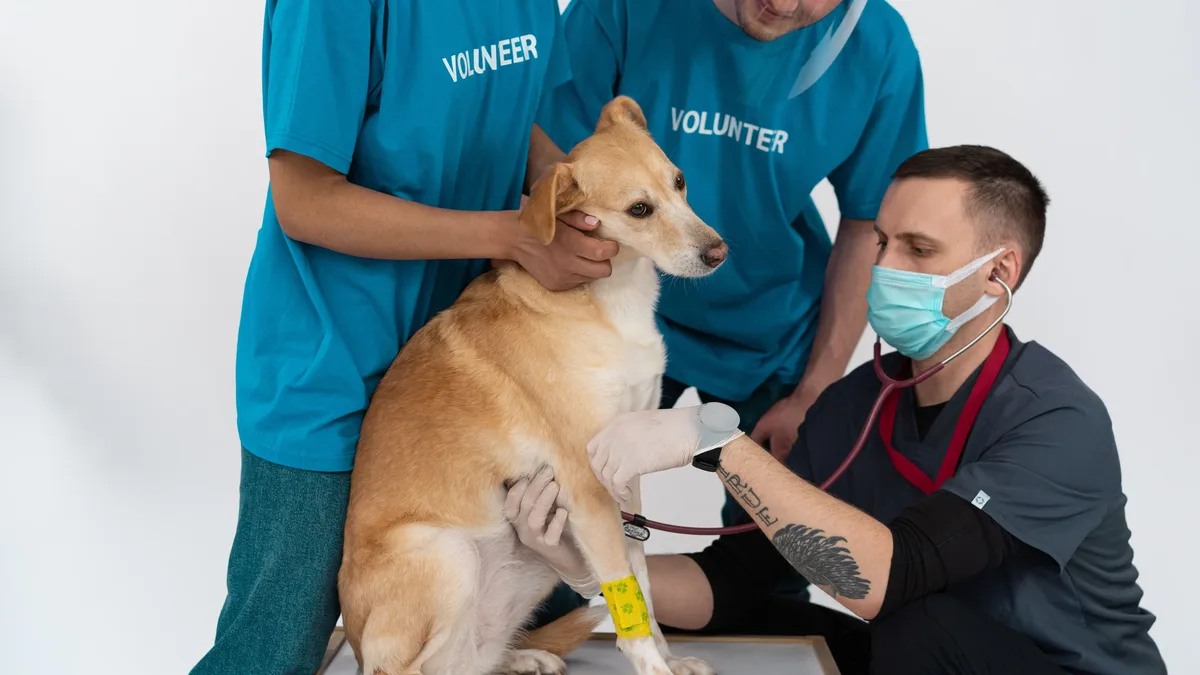
A recent episode of The Vet Blast Podcast highlighted the growing use of laser therapy in veterinary medicine. Ryan McKenzie, DVM, US animal health clinical training manager for Indiba K-Laser USA, joined host Adam Christman, DVM, MBA, to discuss the science behind photobiomodulation and its applications in treating pancreatitis, feline lower urinary tract disease, and postoperative pain.
Laser therapy, also known as low-level laser therapy or photobiomodulation, is a non-invasive treatment that uses light to influence living cells. According to McKenzie, the term "laser therapy" is often used interchangeably with other terms, but photobiomodulation is the most accurate description of the treatment.
McKenzie emphasized the importance of understanding the terminology surrounding laser therapy. He suggested sticking to the term photobiomodulation, which breaks down into "photo" (light), "bio" (living tissues), and "modulation" (exerting an influence on those tissues).
The use of laser therapy in veterinary medicine is not limited to musculoskeletal lesions or wound therapy. McKenzie highlighted its potential in treating internal medicine conditions, such as pancreatitis, and feline lower urinary tract disease. He also mentioned its effectiveness in managing postoperative pain and as an adjunct to traditional therapies.
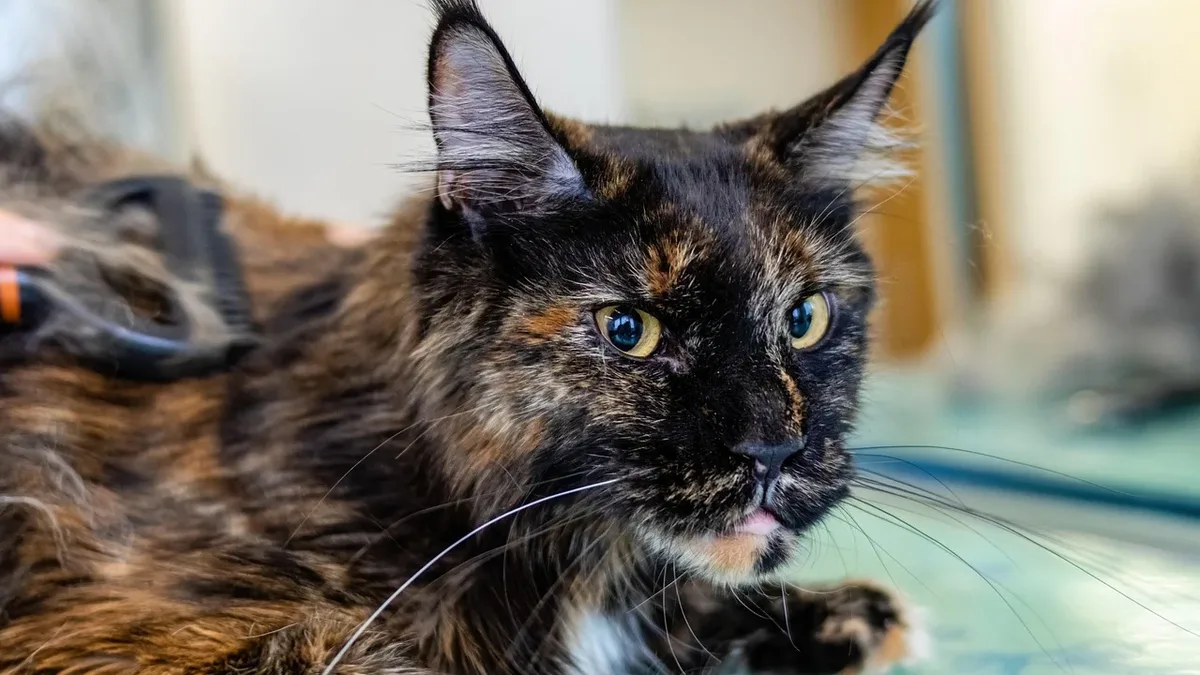
McKenzie shared two specific examples of the benefits of laser therapy: treating hot spots in animals and managing chronic gingivostomatitis in cats. He emphasized the importance of taking before-and-after photos to demonstrate the effectiveness of the treatment.
In addition to its benefits, McKenzie addressed common misconceptions surrounding laser therapy. He suggested that veterinarians often view laser therapy as a niche treatment or forget about it altogether. He also emphasized the importance of being proactive in using laser therapy and not waiting until it's too late.
McKenzie also discussed the return on investment (ROI) of laser therapy, stating that many hospitals have been able to pay off the cost of the laser in 6 to 12 months.
| Device | Description | | --- | --- | | K-Laser | Veterinary-specific devices FDA cleared | | Human devices | Separate devices FDA cleared for human use |
The use of laser therapy in veterinary medicine is a growing trend, and understanding its benefits and misconceptions is essential for veterinarians to provide the best possible care for their patients.
## Common Misconceptions Surrounding Laser Therapy
Veterinarians often view laser therapy as a niche treatment or forget about it altogether. McKenzie emphasized the importance of being proactive in using laser therapy and not waiting until it's too late.
## The Benefits of Laser Therapy
Laser therapy has been shown to be effective in treating a range of conditions, including pancreatitis, feline lower urinary tract disease, and postoperative pain. McKenzie shared two specific examples of the benefits of laser therapy: treating hot spots in animals and managing chronic gingivostomatitis in cats.
## Return on Investment (ROI)
McKenzie discussed the ROI of laser therapy, stating that many hospitals have been able to pay off the cost of the laser in 6 to 12 months. This highlights the potential cost savings of incorporating laser therapy into veterinary practice.
## Conclusion
Laser therapy is a valuable tool in veterinary medicine, offering a range of benefits and applications. By understanding the science behind photobiomodulation and addressing common misconceptions, veterinarians can provide the best possible care for their patients.