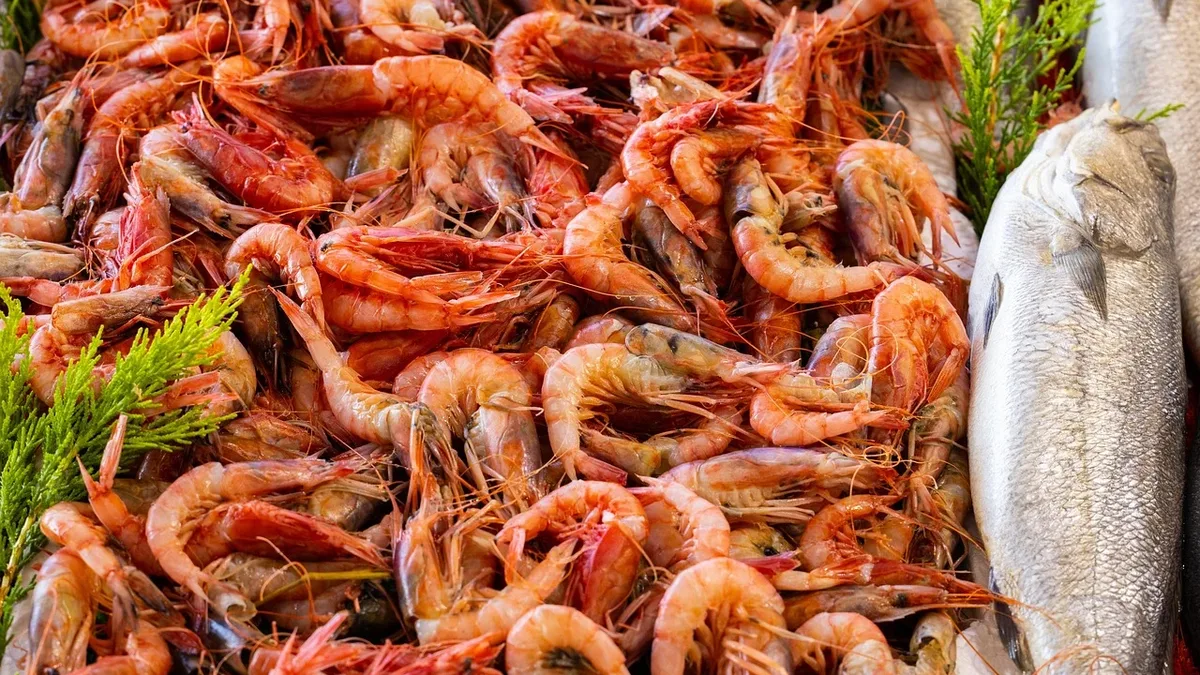
Shrimp
| Common Name | Shrimp |
|---|---|
| Scientific Name | Various species in the Decapoda family |
| Habitat | Saltwater, brackish water, and some freshwater environments |
| Size | Medium to large, depending on species |
| Lifespan | Typically 1 to 3 years |
| Diet | Carnivorous, feeding on plankton, smaller crustaceans, and algae |
| Reproduction | Sexual, laying eggs |
| Preparation | Commonly boiled, grilled, fried, or used in soups and sauces |
Can dogs eat Shrimp
Shrimp can be a safe and nutritious treat for dogs, but it is important to feed it in moderation. Shrimp is a good source of protein and omega-3 fatty acids, which can support a dog's overall health. However, it is crucial to ensure that the shrimp is cooked and free from seasonings, garlic, and other additives that can be harmful to dogs. Some dogs may also have an allergic reaction to shrimp, so it is essential to monitor your pet for any adverse reactions.
Shrimp reviews
Shrimp is generally well-received as a treat for dogs. Many pet owners appreciate its flavor and the potential health benefits. However, some dogs may not enjoy the taste, and others might experience digestive issues after consuming shrimp. The texture can also be a challenge for some dogs, as it can be tough to chew and digest. Overall, shrimp can be a tasty and beneficial addition to a dog's diet, but it should be given in moderation and with caution.
Overview
Shrimp is a popular seafood that is widely consumed and enjoyed for its delicate flavor and nutritional benefits. It is a good source of protein, vitamin B12, and selenium, making it a valuable addition to a balanced diet. In the context of feeding dogs, shrimp can be a safe and healthy treat when prepared correctly. However, it is essential to consider the potential risks and limitations associated with feeding shrimp to dogs.
What to know
When feeding shrimp to dogs, it is crucial to ensure that the shrimp is cooked thoroughly and free from any additives or seasonings that could be harmful. Raw or undercooked shrimp can pose a risk of foodborne illness, and certain seasonings can be toxic to dogs. Additionally, shrimp should be given in moderation as part of a balanced diet. Overfeeding shrimp can lead to digestive issues and other health problems. It is also important to monitor your dog for any signs of an allergic reaction, such as itching, swelling, or vomiting.
Common questions
- Can all dogs eat shrimp? No, not all dogs can eat shrimp. Some dogs may have an allergic reaction to shrimp, so it is important to introduce it gradually and monitor your dog for any adverse reactions. 2. How often can I give my dog shrimp? Shrimp should be given as an occasional treat, not as a regular part of your dog's diet. It is best to limit the frequency to once or twice a month to ensure a balanced and healthy diet. 3. Are there any risks associated with feeding shrimp to dogs? Yes, there are risks. Shrimp should be cooked and free from seasonings, garlic, and other additives. Overfeeding can lead to digestive issues, and some dogs may have an allergic reaction. 4. Can I feed my dog raw shrimp? No, raw shrimp should not be fed to dogs. Raw shrimp can carry bacteria that can cause foodborne illness, and it is safer to cook the shrimp thoroughly before feeding it to your pet.
Who it suits
Shrimp is best suited for dogs that enjoy seafood and can tolerate it without adverse reactions. It is particularly beneficial for dogs that need a protein boost or those with sensitive stomachs. However, it is important to introduce shrimp gradually and monitor your dog for any signs of an allergic reaction or digestive issues.