
Amtrak, Ferry And Long Distance Bus Policies
| Pet acceptance | Varies by carrier and service type |
|---|---|
| Carrier type | Scheduled public transport |
| Primary service region | United States |
| Typical required documentation | Health certificate, proof of vaccination |
| Typical container requirement | Carrier or kennel |
| Advance notice | Often required |
| On-board location | Designated pet area or at passenger's feet |
Origin and history
Amtrak is a passenger railroad service created by the United States Congress in the early 1970s, specifically through the Rail Passenger Service Act of 1970. Ferry services for passengers and vehicles have existed for centuries, with modern public and private ferry operations in North America and Europe tracing their organized, scheduled roots to the 19th and early 20th centuries. Long-distance bus transport in the United States became a formalized network with the founding of the National Trailways Bus System in the 1930s and the expansion of Greyhound Lines around the same period. These three modes of public transit were developed independently to address different gaps in national and regional transportation infrastructure. Their policies regarding passenger conduct and baggage, including animals, evolved separately from their founding eras. The contemporary policies discussed here are modern codifications of rules that have been adjusted over decades of operation.
What it is designed for
Amtrak is designed for intercity and long-distance passenger rail transport across the United States. Ferry services are designed for the transport of passengers, and often their vehicles, across bodies of water where bridges are impractical or non-existent. Long-distance bus services are designed for providing the most affordable and extensive network of point-to-point passenger road transport across regions and continents. These transport systems are engineered primarily for human passengers, with their policies reflecting a primary concern for human safety, comfort, and efficient operation. The carriage of animals is a secondary consideration within these frameworks, treated as a type of special baggage or passenger exception. Their respective animal policies are designed to minimally disrupt the core service while accommodating a limited subset of users with specific needs.
Development and versions
Amtrak's pet policy has undergone significant revisions, most notably with the introduction of its current "Amtrak Pets" program in 2016, which allows small cats and dogs on select routes for a fee. Prior to this, Amtrak generally prohibited pets except for service animals. Ferry policies are highly fragmented, with each operator (such as Washington State Ferries, BC Ferries, or private companies) developing and maintaining its own distinct set of regulations regarding animal carriage. Long-distance bus policies have historically been very restrictive, with major carriers like Greyhound and Trailways traditionally prohibiting all animals except service animals; some smaller regional carriers may have more lenient, but less standardized, rules. The development of these policies is influenced by factors including federal laws like the Air Carrier Access Act (which set precedents for service animals), changing public demand, and incidents involving animal behavior onboard. There are no universal versions, leading to a patchwork of regulations that require careful verification by a traveler before each journey.
Pros and cons
A primary pro of these transport policies is that they provide a legally defined, if limited, pathway for transporting a small animal over long distances without a private vehicle. The structured environment can be less stressful for some animals compared to air travel. A significant con is the extreme restriction on animal size and species, almost universally limited to small dogs and cats, excluding many common pets like rabbits or birds. The common mistake is assuming policies are uniform; a ferry policy in one region is entirely different from another, and bus policies can change between carriers, leading to trip disruptions. Many travelers regret choosing this option when they discover the stringent carrier size and weight limits, which are often more restrictive than those for airlines. Another major drawback is the near-total lack of accommodation for animals on long-distance bus services, effectively eliminating this mode for most pet owners.
Who it suits
These transport policies suit a very specific traveler: one with a small, well-socialized dog or cat that remains calm in a confined carrier for the entire journey. They suit an owner who has meticulously researched the exact policy for their specific Amtrak route, ferry operator, or (rare) bus carrier far in advance of travel. They suit individuals traveling relatively short distances or on direct routes where the animal's time in transit is minimized, as relief breaks are seldom permitted. They do not suit owners of large dogs, exotic pets, or multiple animals. They are poorly suited for individuals with unpredictable travel schedules or those who cannot provide the required health documentation at a moment's notice. Ultimately, these policies suit only a minority of pet owners, for whom the benefits of public transit outweigh the considerable logistical constraints and planning burden.
Latest Amtrak, Ferry And Long Distance Bus Policies news
Latest reporting

Aaron Shaw's 5 Protein Tips for Vets
A podcast episode offers five quick protein tips to help veterinary professionals maintain energy, manage hunger, and build long-term physical...

Managing Canine Hip Dysplasia in Dogs
Canine hip dysplasia is a developmental orthopedic condition that affects dogs of all shapes and sizes, causing severe impact on a dog's quality of...
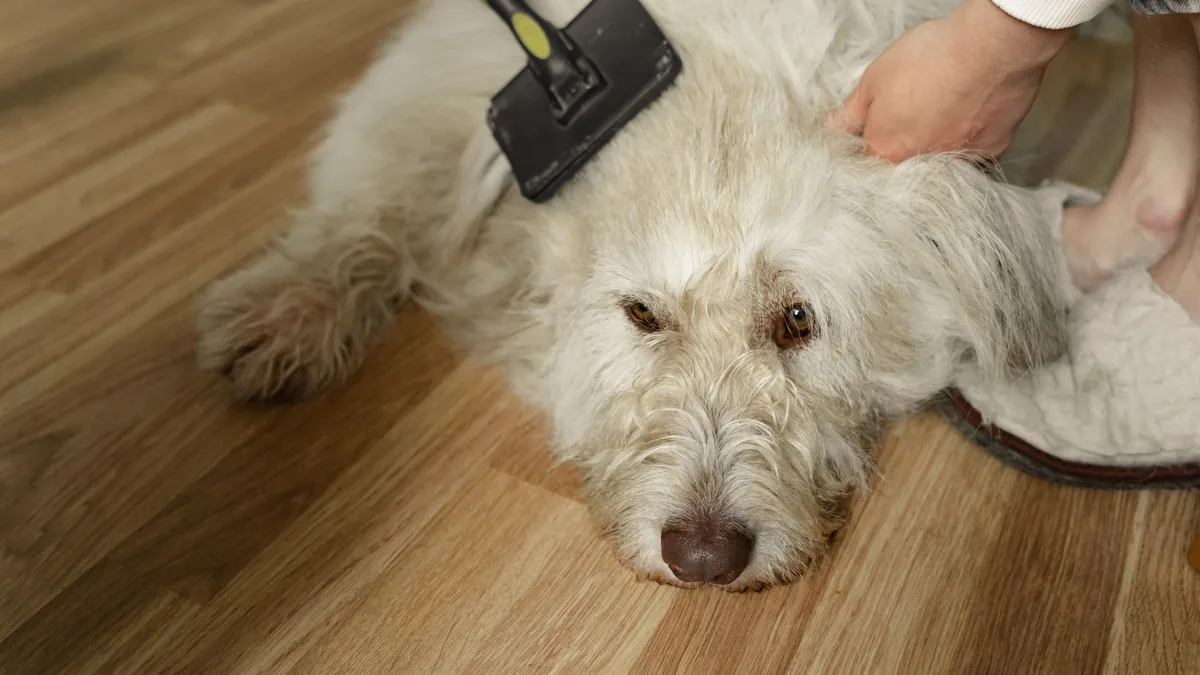
Advancements in Vitreoretinal Surgery for Canine Glaucoma
A recent study highlights the evolution of surgical procedures for canine glaucoma, a common and aggressive disease process in dogs. The study...
Tick Season Brings Rise in Tularemia Cases on Long Island
A fourth human case of tularemia, also known as 'rabbit fever', has been confirmed on Long Island, amid a decade-high tick activity.