Latin American pet food makers balance innovation with cost
An analysis of ingredient trends in Latin America's pet food market highlights the critical role of pet acceptance and affordability.
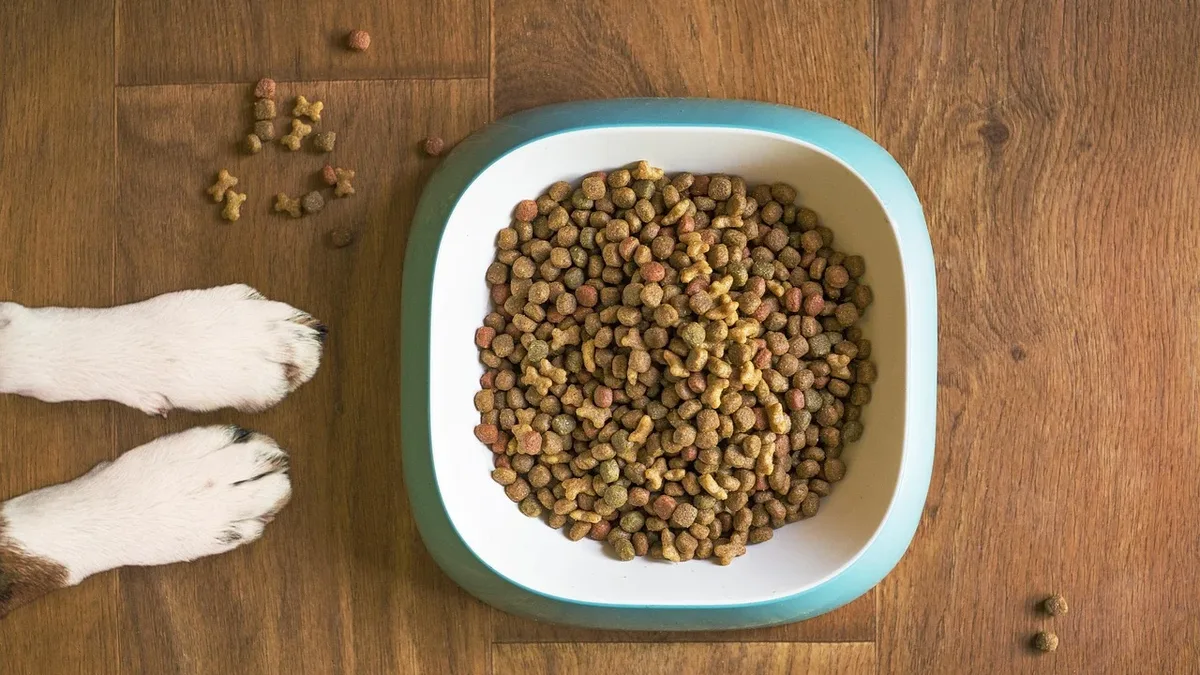
The pet food industry in Latin America faces a complex challenge in balancing ingredient innovation with cost and palatability. Separately, a guide for cat owners explains how to locate and gently massage muscle knots to relieve pet discomfort.
Pet Food Economics in Latin America
Pet food manufacturers in Latin America must balance nutritional innovation, cost efficiency, and whether pets will actually eat the product. According to panels by Triplethree International, pet food acceptability is the most important consideration for consumers in the region when evaluating products.
For decades, ingredient selection was driven by availability and affordability, with traditional proteins and cereals forming the foundation. Today, while that foundation remains, the competitive landscape is shifting toward protein quality, digestibility, and functional benefits for digestive health or immune support. However, introducing sophisticated ingredients does not automatically translate to commercial success, as the region's diverse purchasing power and local ingredient availability mean premiumization must coexist with economic reality.
The ultimate test for any formulation is pet acceptance. Consumers may appreciate advanced nutritional claims, but these attributes fail if the pet refuses to eat the food. This introduces a critical trade-off, particularly with palatability enhancers, which improve sensory acceptance but carry a higher cost. The future competitive frontier will be defined not by innovation alone, but by the most effective combination of nutritional performance, pet acceptance, and economic efficiency.
At-Home Trigger Point Therapy for Cats
Trigger point therapy is a manual technique to ease muscle tension and discomfort in cats by locating and gently massaging tight muscle knots. Cat owners should always consult a veterinarian before starting any home therapy to ensure it is appropriate for their pet's specific needs.
Trigger points are small, tight spots in muscle tissue that can cause pain, stiffness, and restricted movement, often resulting from injury, overwork, arthritis, poor posture, or stress. To locate them, owners should gently run their fingers along the cat's back, shoulders, neck, and hindquarters when the cat is calm, feeling for small firm bumps, tighter areas, or spots that cause the cat to flinch. Once a potential trigger point is found, apply gentle pressure with fingertips for a few seconds, then slowly release to help muscle fibers relax and improve blood flow.
Sessions should be kept short, around five to ten minutes, while closely watching the cat's reaction for signs of pain like hissing or attempts to escape. This therapy is not a substitute for veterinary care but may complement treatments by reducing muscle tension, improving range of motion, aiding recovery, and promoting relaxation. Learning to spot muscle tension also helps owners notice when something is off with their cat's well-being.