Credentialed veterinary technicians solve rural veterinary shortages
Full utilization of credentialed veterinary technicians within their legal scope of practice significantly boosts veterinarian capacity and practice revenue while improving technician retention, offering a practical solution to rural veterinary service shortages.
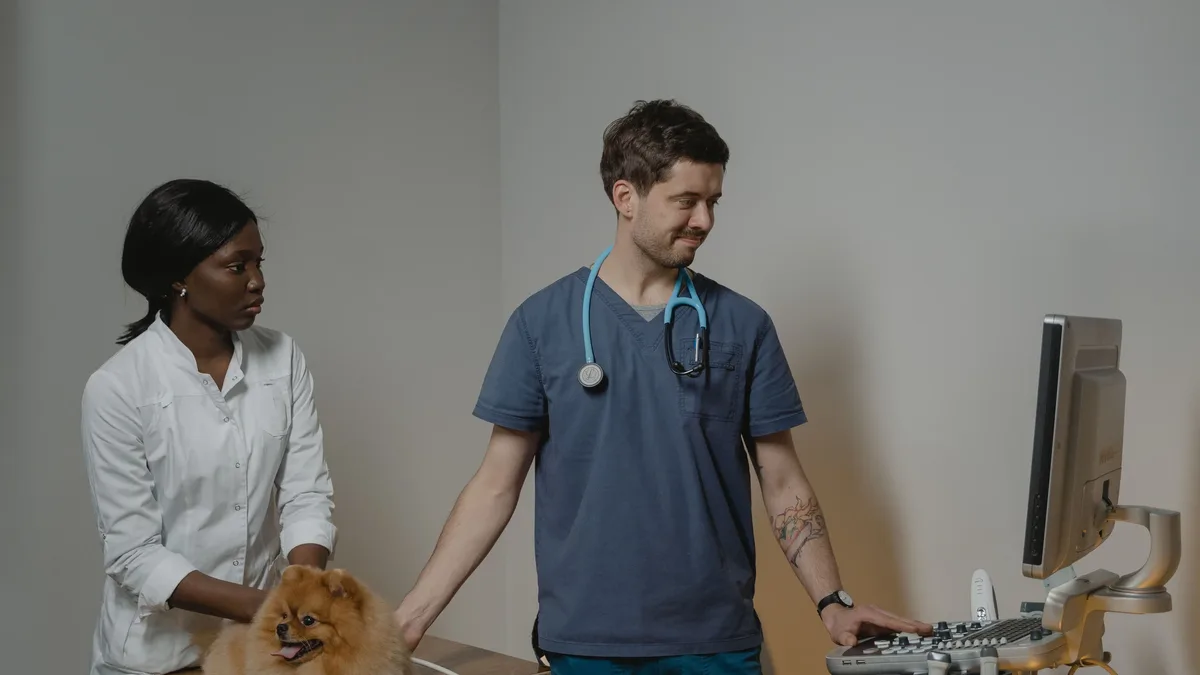
Many rural communities continue to face shortages of veterinary services while mixed animal veterinarians make up a relatively small share of the profession. Practices where veterinarians rarely perform tasks that credentialed veterinary technicians can legally perform see a substantial increase in revenue per veterinarian. Full utilization can yield six-figure gains annually-money that supports better pay, benefits, equipment, and staffing in struggling practices.
How credentialed technicians increase practice capacity
When credentialed veterinary technicians work to the full extent allowed by law and supported by clear protocols, veterinarians gain capacity, practices perform better, and technician engagement and retention improve. Utilization is retention and respect. When CrVTs work at the top of their skills, they are more engaged, more likely to stay, and more invested in the practice’s success.
Real-world examples across state lines
Dr. Brown, executive director of hospital operations at the Lloyd Veterinary Medical Center at Iowa State University’s College of Veterinary Medicine, spent 16 years in mixed animal private practice in the Appalachian region. His experience shows how credentialed technicians perform advanced tasks like anesthesia, suturing, and diagnostics under varying supervision rules in West Virginia, Ohio, and Kentucky.
In West Virginia, under general supervision, CrVTs could legally administer anesthesia, perform dental prophylaxis, administer immunizations, and perform external suturing. Under general or indirect supervision, they could perform diagnostic imaging, place intravenous catheters, administer medications by multiple routes, and collect specimens. CrVTs routinely performed external suturing under Dr. Brown’s general supervision after he debrided and inspected the wounds.
In Kentucky, regulation defines scope of practice and sets minimum supervision levels by task, then relies on the supervising veterinarian’s judgment above those minimums. Dr. Brown used this flexibility to put CrVTs in a primary hands-on role on farm calls, including placing jugular catheters in sick calves, drawing blood for diagnostics, and administering intravenous and subcutaneous medications per written protocol.
Ohio's rules differ. Under veterinary supervision, CrVTs could prepare patients and equipment for surgery, collect specimens, apply wound dressings, administer medications, and suture skin incisions. Tasks requiring direct veterinary supervision included anesthesia induction and monitoring, dental prophylaxis, and equine dental procedures. Ohio does not use a separate “indirect supervision” tier; veterinary supervision permits the veterinarian to be on the premises or readily available to communicate, while direct supervision requires the veterinarian to be in the immediate area and within audible and visual range. Same CrVTs. Same cases. Three different rulebooks.
The business impact of full utilization
Data from NAVTA’s 2024 Demographic Survey show that only a minority of CrVTs feel fully used, and many see little differentiation between their responsibilities and those of uncredentialed staff. When CrVTs talk about why they leave the profession, they consistently mention lack of utilization alongside low pay and poor wellbeing. The 2023 AAHA Technician Utilization Guidelines reinforce the financial argument. Full utilization can yield six-figure annual gains.
Tools for effective delegation
Written protocols and professional guidelines enable consistent delegation of tasks like medication administration and sample collection while maintaining legal compliance. When a state practice act is vague, these guidelines provide a practical template for efficient delegation that builds on applicable law.
The AABP guideline provides recommended supervision levels for medication administration under farm-specific protocols, sample collection, blood draws, intravenous catheter placement, diagnostic imaging, and castrations within parameters established by the supervising veterinarian. These recommendations remain subject to applicable laws and regulations.
In practice, a CrVT might stay at a backgrounding lot to work a respiratory protocol-pulling blood, administering prescribed antimicrobials and anti-inflammatories, taking temperatures, and updating treatment logs-while the veterinarian heads to another farm for dystocias or complex herd-health decisions. This is permitted provided the work is performed under the supervising veterinarian’s farm-specific written protocol.
The AAEVT guideline describes CrVT use at multiple proficiency levels. On a day of equine dental and lameness work, a trained CrVT may place intravenous catheters, monitor standing sedation, obtain radiographic images, and manage postprocedure bandaging and discharge instructions while the veterinarian focuses on exams, dentistry, joint diagnostics, and client decisions. Administration of prescribed sedatives should occur only when permitted by state law and delegated under the required level of supervision.
None of this works without written protocols. In an ambulatory practice, a protocol defines the task, its limits, when to call the veterinarian, and how to document everything. When a CrVT is 20 minutes away with a postoperative horse and the veterinarian is examining cattle at the next farm, the protocol supports consistent delegation within applicable law and supervision requirements.
Another underused tool is the technician-run clinic day. In a split run, the veterinarian and CrVT travel together but do not always work side by side. Where a valid veterinarian-client-patient relationship exists and state law allows, a CrVT can-on a previously examined farm and under written protocols-administer treatments, collect samples, update herd records, and document everything while the veterinarian moves to the next stop.
Skilled credentialed veterinary technicians helped Dr. Brown shift his daily question from “What do I need to do today?” to What can only I do today? On more than one winter herd check, a CrVT ran the entire vaccination, deworming, and tagging line while Dr. Brown focused on problem cows and breeding-soundness exams. Mixed animal practice will not be saved by working harder; it will be saved by allowing CrVTs to do all they are legally permitted to do. Practices should implement written protocols and follow professional guidelines to allow credentialed veterinary technicians to work at the top of their skills.