Texas A&M Expert on Rising Pet Dementia Cases
A Texas A&M veterinary neurologist reports cognitive dysfunction is increasingly common in older dogs and cats as pets live longer.
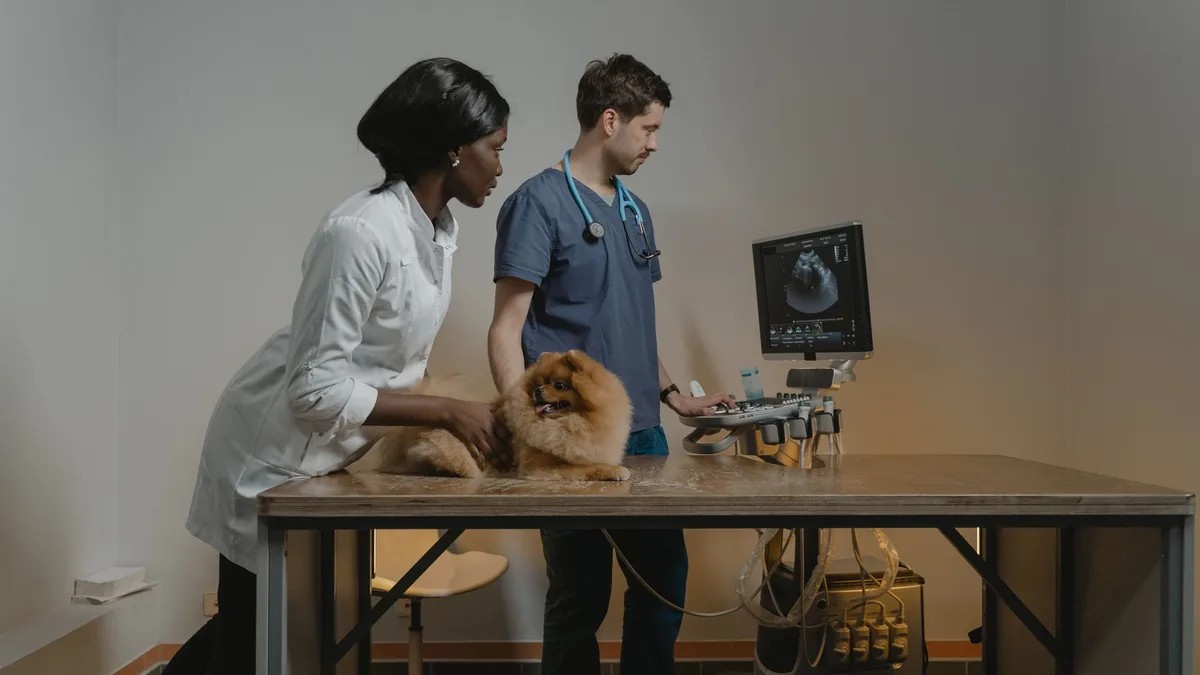
Cognitive dysfunction is being diagnosed more often in aging dogs and cats. Joel White, DVM, a veterinary neurologist at Texas A&M University, says this rise is linked to longer pet lifespans and better recognition of the signs by owners and veterinarians.
"As veterinary medicine advances, many dogs and cats are living longer than they previously did, which increases the likelihood of developing this disease," White said.
Prevalence Increases with Age
In dogs, signs can emerge around age 8. Approximately 10% of dogs are affected at that age. The condition becomes far more common in advanced years.
| Age Group | Approximate Prevalence |
|---|---|
| Dogs age 8 | About 10% |
| Dogs over 18 | About 80% |
Cats typically begin showing signs later, around age 10. The disease also becomes widespread with age, affecting more than half of cats over 15.
Signs Overlap with Other Illnesses
Common symptoms include aimless wandering, indoor accidents, and trouble handling stairs or doorways. Pets may also show hearing changes, reduced responsiveness, or increased vocalization. Cats might over-groom to the point of creating bald spots.
White cautions that these signs are not unique to cognitive decline. Difficulty with stairs could indicate arthritis. Indoor accidents might signal a urinary tract infection or kidney disease. "Cats are excellent at hiding illness from their owners and veterinarians, which can make them more challenging to diagnose," he noted.
A detailed history from the owner is the most critical diagnostic tool. This is supported by bloodwork, physical and neurologic exams, and imaging like MRI when needed. Behavioral questionnaires help guide the workup.
Management Strategies for Quality of Life
There is no cure for cognitive dysfunction. Management focuses on supporting the pet's quality of life through routine and environmental adjustments. Recommended strategies include regular physical exercise like walks, fetch, and food puzzles. Consistent quality time with owners and a safe, predictable environment are also vital.
Specific diets containing medium-chain triglycerides and antioxidants may help. Veterinarian-approved supplements or medications can also be part of a management plan.
White emphasizes patience with behavioral changes, as they are not voluntary. Pets are not choosing to wake owners at night or have accidents. Understanding this is key to providing compassionate care for an aging animal.