Pet Care Nutrition: Calculating Accurate Portions for Small Dogs
A precise method for calculating daily food portions in grams, based on a recipe's calorie density and a dog's individual needs, is essential for proper pet nutrition. Complete foods should provide at least 90 percent of daily calories, with the remainder for treats.
Proper pet nutrition requires calculating accurate daily food portions in grams, not visual estimates. This is done using a recipe's kilocalories per kilogram value and the dog's assigned daily calorie target, a method key for maintaining a pet's health and well-being. Complete food should provide at least 90 percent of daily calories for pets, a guideline confirmed by leading veterinary organizations.
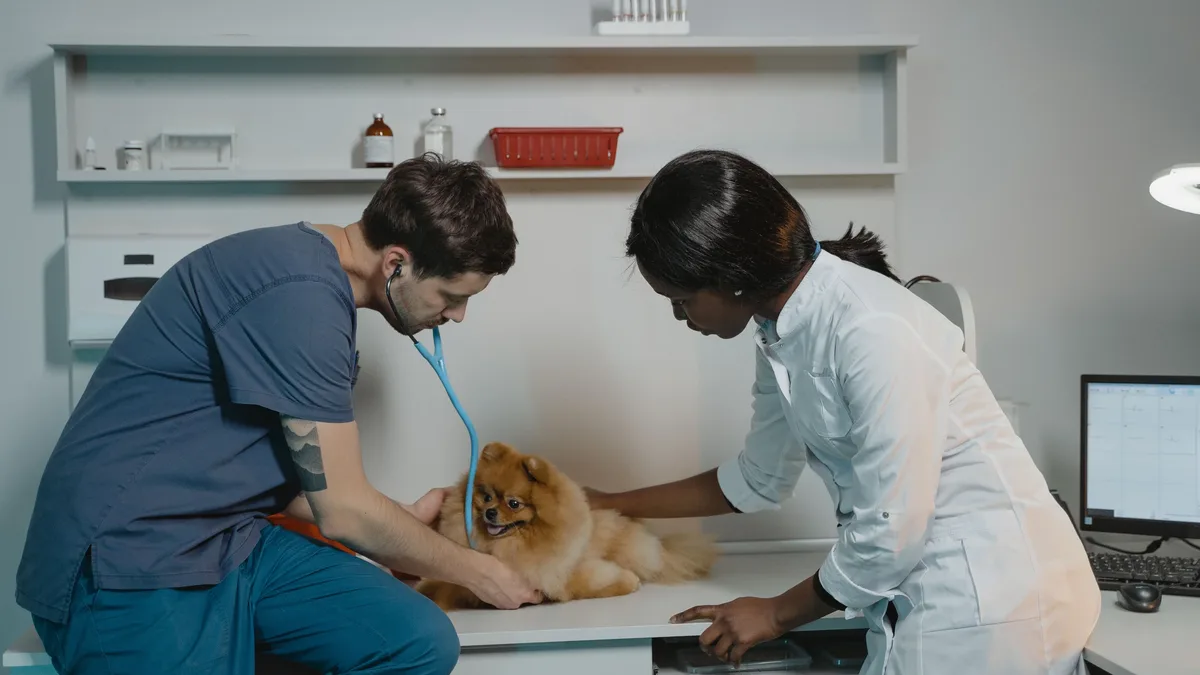
AAHA recommends that complete food provide at least 90 percent of daily calories, leaving no more than 10 percent for treats and other incomplete extras. This foundational rule ensures the diet is nutritionally balanced. For a small breed dog, the individual daily calorie target must be based on age, body condition, activity level, health, and growth status.
Adult-Maintenance Foods
Some recipes are formulated specifically for adult dogs. Examples of adult-maintenance foods include Beef & Russet Potato and Turkey & Whole Wheat Macaroni. These foods have different calorie densities, which directly impacts how much to feed.
| Recipe | Calorie Density (kcal/kg) | Intended Use |
|---|---|---|
| Beef & Russet Potato | 1559 | Adult maintenance |
| Turkey & Whole Wheat Macaroni | 1741 | Adult maintenance |
Other available recipes, like Chicken & Rice and Fish & Sweet Potato, carry an all-life-stages statement that includes growth. Chicken & Rice has a density of 1530 kcal/kg, while Fish & Sweet Potato is 922 kcal/kg.
Feeding Guidelines
The core calculation for daily portion size in grams is: daily calories divided by kcal/kg, then multiplied by 1000. For a dog needing 150 calories per day, the amount of each food varies dramatically due to density. For instance, 98 grams of Fish & Sweet Potato provides about 90 calories, while the same weight of Chicken & Rice provides about 150 calories.
A kitchen scale is recommended for reproducible small servings. Owners should weigh the complete recipe rather than selecting only meat or favorite pieces to ensure nutritional balance. In multi-dog homes, small dogs like Chihuahuas should be fed separately when necessary. Shared feeding notes should record whether the meal was served, not only if the bowl is empty.
Treats can take a meaningful share of a tiny dog's daily intake, so the 10 percent allowance for extras must be carefully managed. For puppies, meal frequency should be arranged based on puppy development, not adult schedules.
Food Storage and Handling
Proper storage and handling of pet food is essential to maintain its quality and safety. For thawed meals, timelines differ by protein type.
| Protein Type | Refrigerated After Thawing | Use After Opening |
|---|---|---|
| Fish meals | Up to 5 days (sealed) | Within 3 days |
| Other proteins | Up to 7 days (sealed) | Within 5 days |
Opening a package does not restart the refrigerated storage clock for previously thawed food. Leftovers should be tracked by thawing and opening dates, not by appearance. This is critical for preventing foodborne illness, especially in small breeds prone to health issues like pancreatitis.
High-quality food for small dogs should contain a blend of proteins, wholesome grains or vegetables, and beneficial additions. Chicken & Rice includes chicken, white and brown rice, vegetables, chicken liver, and a nutrient blend. Fish & Sweet Potato uses a blend that includes cod, pollock, and haddock.
As AAHA nutrition guidelines emphasize, feeding must be adjusted to the animal rather than treating a calculation as a permanent prescription. A veterinarian's recommendation should connect food formulation and feeding information directly to the dog's health, forming the best nutrition plan.