Cat Food Study Finds Widespread Heavy Metal and Plasticizer Contamination
A new study of top-selling cat foods found nearly all contained heavy metals like lead and arsenic, with fish-based products and certain packaging showing significantly higher levels of specific toxins.
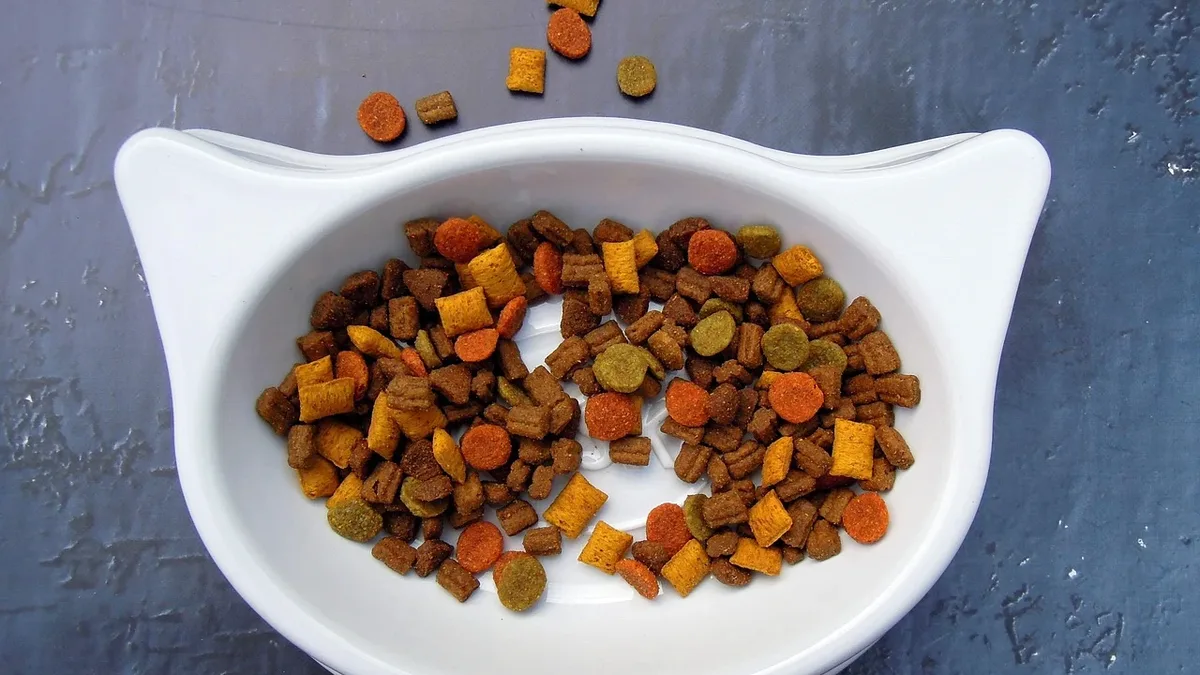
A new study has revealed widespread contamination in commercial cat foods, with nearly all tested products containing toxic plastic contaminants, glyphosate, and heavy metals including lead, mercury, and arsenic. The analysis evaluated 100 top-selling products across 62 brands, detecting these toxins across all formats: wet, dry, and air- or freeze-dried foods, including items marketed as natural or premium.
Lead was found in 99% of all samples. Cadmium was present in 96%, and arsenic in 94%. The herbicide glyphosate was detected in 37% of tested items.
Disparities by protein source and formulation
Fish- and seafood-based products showed dramatically higher levels of certain heavy metals compared to foods made with other proteins. Mercury levels were approximately 18 times higher, and cadmium levels were about 2.5 times higher. Dry kibble contained roughly three times more lead than wet or air-dried food after accounting for calorie content.
| Contaminant | Fish/Seafood vs. Other Proteins | Dry vs. Wet/Air-Dried Food |
|---|---|---|
| Mercury | ~18x higher | - |
| Cadmium | ~2.5x higher | - |
| Lead | - | ~3x higher in dry kibble |
Impact of plant ingredients and packaging on chemical levels
The study linked plant ingredients and packaging type to specific contaminant levels. Each additional plant ingredient listed among the first ten on a label was associated with about 40% more glyphosate. This means a product with two plant ingredients had about 40% more glyphosate than one with a single plant ingredient, while a formulation with five plant ingredients carried nearly four times the concentration.
Packaging also played a key role. Canned and pouched foods containing the plasticizer DEHP carried about five times as much as bagged products, with peak concentrations identified in those packaging types.
Specific contaminants and product patterns
Certain ingredients were strongly linked to overall contamination. Products containing herring meal landed in the most contaminated 10% of all products about 60% of the time-a rate roughly 17 times more often than expected by chance. Another contaminant, acrylamide, was measurable in four products and present at trace levels in 24 more.
Other detected chemicals included the plasticizer Di(2-ethylhexyl) phthalate (DEHP) in 48 products, the glyphosate breakdown product AMPA in 12% of products, Bisphenol A (BPA) in two products, and Bisphenol S (BPS) in one product.
Study scope and limitations
The investigation, conducted by the Colorado-based nonprofit Clean Label Project, analyzed 541 samples across 87 brands and tested for more than 122 individual contaminants. However, the research did not assess whether the detected contaminant levels could harm cats or examine potential chronic health effects from long-term exposure.
Purity standards set by the project were met by 85% of poultry-based cat foods but by only about 26% of fish and seafood-based products. Dry and wet foods met the standard at rates within one percentage point of each other.
The organization emphasized that feeding cats a complete diet they will actually eat remains the priority. It advises caregivers of cats eating mostly fish-based food to rotate in other proteins and recommends reading past the first ingredient on labels and asking manufacturers if they test their finished products for contaminants.