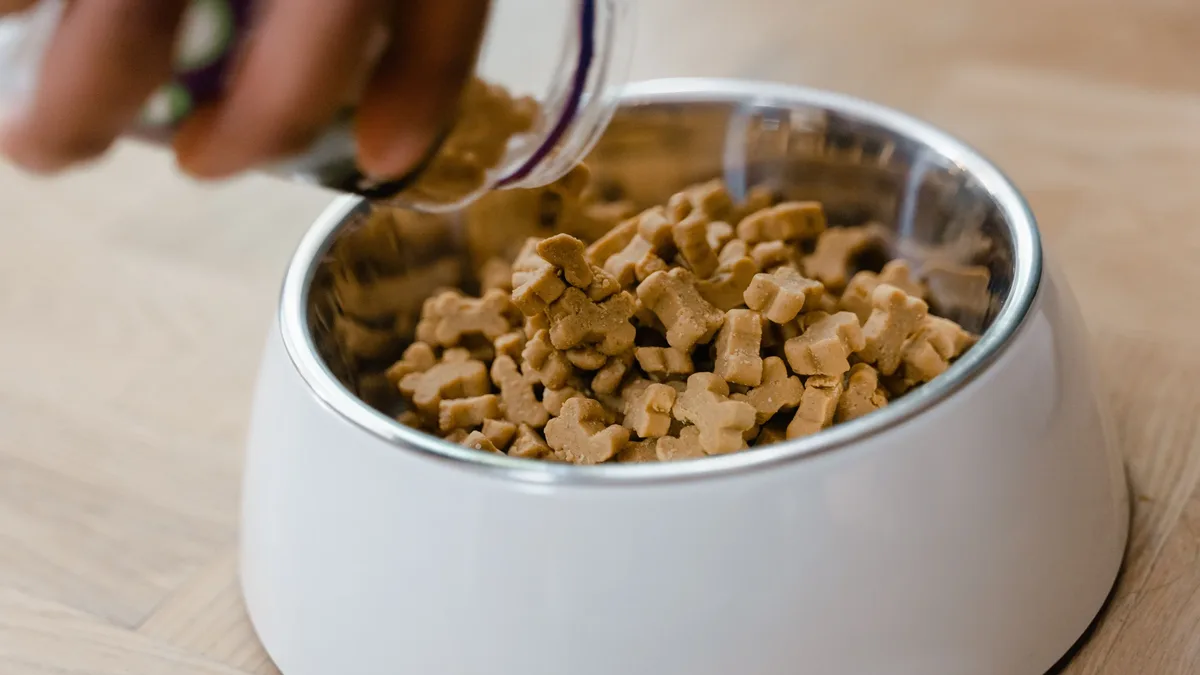
Bowls And Feeders
| Material | Stainless steel, ceramic, plastic, or silicone |
|---|---|
| Shape | Typically round, oval, or elevated |
| Purpose | Designed for holding food or water for pets |
| Elevation | Some models are raised to reduce neck strain |
| Capacity | Varies by model, often measured in cups or milliliters |
| Stability | Often features non-slip bases or weighted designs |
| Cleaning | Most are dishwasher safe |
| Feeding Style | Includes slow-feed, puzzle, or automatic models |
Can dogs eat Bowls And Feeders
No, dogs cannot and should not eat their bowls or feeders. These items are designed as food and water delivery tools, not as consumable products. Attempting to chew or ingest parts of a bowl or feeder, typically made from plastic, ceramic, stainless steel, or silicone, poses a serious risk of intestinal blockage or damage. Dogs that chew destructively on their bowls may require specialized slow feeder or heavy-duty stainless steel models that resist damage. This behavior often stems from boredom, anxiety, or rapid eating habits that need separate addressing. Providing appropriate chew toys and supervising meal times are essential to discourage this dangerous behavior.
Bowls And Feeders reviews
Long-term user reviews consistently highlight that material choice is the primary determinant of satisfaction and durability. Stainless steel bowls are overwhelmingly praised for their longevity, ease of cleaning, and resistance to bacterial growth, though some note they can be noisy and slide on hard floors. Elevated feeder reviews frequently cite benefits for larger breeds or dogs with mobility issues, but warn that poorly constructed wooden bases can warp from moisture. Negative reviews for plastic bowls focus on them becoming scratched and harboring bacteria, while ceramic bowl complaints often involve chipping or breaking if dropped. Slow feeder inserts receive positive feedback for slowing down greedy eaters but negative remarks about difficult cleaning of intricate patterns. The most critical reviews typically involve feeders with complex mechanical parts, like automatic dispensers, which can jam or malfunction.
Overview
Bowls and feeders constitute the fundamental equipment for providing food and water to a dog. The category encompasses simple, static bowls as well as specialized designs like slow feeders, elevated stands, and automated portion dispensers. Their primary function is to reliably contain food and water in a manner that supports the dog's health and the owner's convenience. Materials range from basic plastics and ceramics to more durable stainless steel and newer composites. The design spectrum addresses various needs, from preventing bloat in deep-chested breeds to managing weight through controlled portion release. Selecting the correct type is a basic but critical logistical decision in animal care.
What to know
The material of a bowl directly impacts hygiene and safety; non-porous, easy-to-sanitize materials like stainless steel are recommended by many veterinarians to prevent bacterial biofilm. Bowl shape and function should match the dog's eating style, with slow-feed designs using ridges or mazes to prevent gulping, which can cause gas and bloat. Elevated feeders are not universally beneficial and may be contraindicated for dogs prone to bloat, so a veterinarian's advice should be sought. Automated feeders provide precise portion control and schedule feeding but represent a point of failure if the mechanism jams or power is lost. All bowls require daily washing with soap and water, not just refilling, to prevent slime and bacteria buildup. The size and stability of the bowl must be appropriate for the dog to prevent tipping and messy spills.
Common questions
A common question is whether elevated feeders are better for all dogs, and the answer is no, as their benefit is specific to dogs with orthopedic issues or very tall stature. Owners often ask if plastic bowls are safe, and while they are inexpensive, they are prone to scratches that harbor germs and can cause contact dermatitis in some dogs. Many inquire about the necessity of slow feeder bowls, which are specifically for dogs that eat too rapidly, a common issue with many rescue dogs. Questions about automatic feeders often concern reliability and whether they can handle all types of kibble, with most models working only with dry food of a specific size and shape. People frequently wonder how many bowls are needed, typically requiring at least one dedicated water bowl and one for food, placed in separate stable locations. Another frequent question is about non-slip options, with solutions ranging from silicone mats to bowls with weighted, rubberized bases.
Pros and cons
The primary pro of a simple, high-quality stainless steel bowl is its unmatched durability, hygiene, and long-term cost-effectiveness. Specialized designs like slow feeders offer a significant health pro by effectively slowing ingestion, reducing the risk of bloat and improving digestion. A major con of complex automated feeders is mechanical failure, leaving a dog without food, and they often require a constant power source and meticulous cleaning of moving parts. The common regret with plastic bowls is the eventual development of deep scratches that trap bacteria and odors, making them unsanitary despite initial low cost. A frequent mistake is choosing an elevated feeder of incorrect height, which can force a dog into an awkward posture, negating any potential benefit. Owners of powerful chewers often regret any choice involving plastic components, which can be destroyed and ingested, leading to emergency veterinary visits.
Who it suits
Basic stainless steel or ceramic bowls suit the vast majority of dog owners seeking a reliable, easy-to-clean, and safe daily feeding solution. Slow feeder bowls are specifically suited for dogs that consume their food too quickly, including many puppies and energetic breeds like Labradors. Elevated feeders with adjustable height legs are best suited for large, giant, or senior breeds with arthritis, neck, or back pain that makes bending difficult. Automated portion-control feeders suit owners with irregular schedules or who need to manage a dog's weight with strict, timed meal portions. Heavy-duty, weighted, or mat-anchored bowls are essential for strong, large dogs that tend to push their bowls around the floor during eating. Simple, inexpensive plastic bowls may suit only temporary situations, such as fostering or travel, where loss or damage is a significant concern.