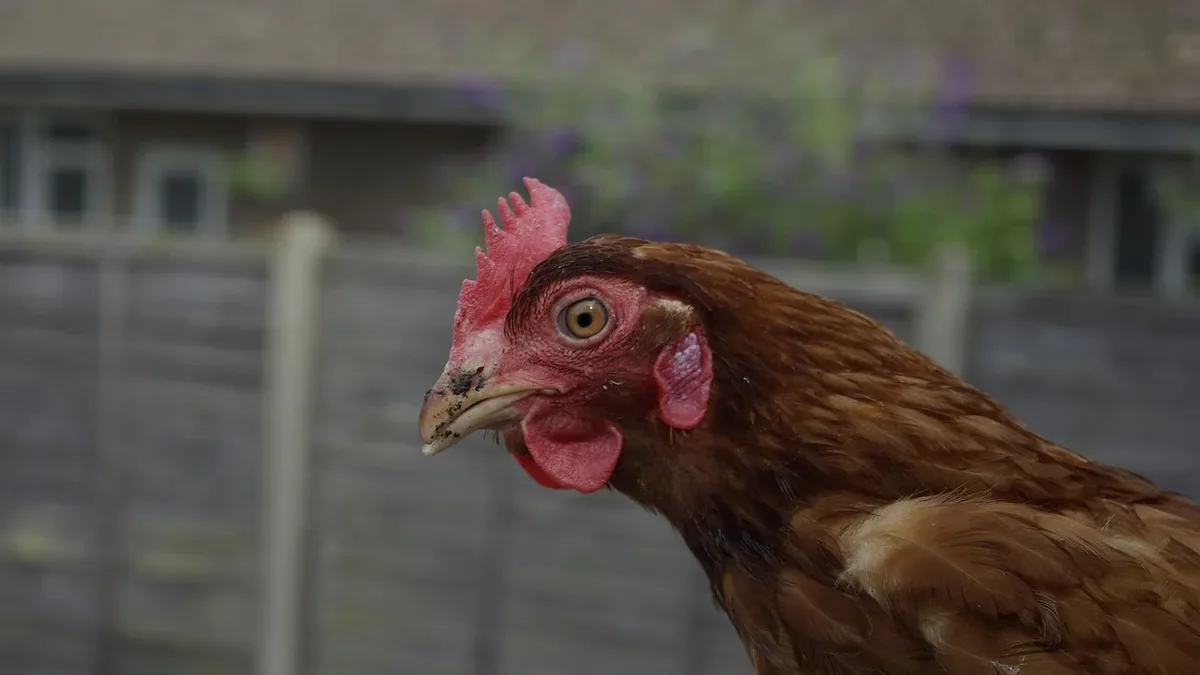
Backyard Chickens
| Species | Gallus gallus domesticus |
|---|---|
| Country of origin | Southeast Asia |
| First created | Domesticated approximately 8000 years ago |
| Original use | Food (meat and eggs) and ritual |
| Size | Small to medium |
| Weight | Varies by breed |
| Lifespan | 5 to 10 years |
| Egg production | Varies by breed |
| Temperament | Generally docile and social |
Origin and history
The domestic chicken (Gallus gallus domesticus) originated from the Red Junglefowl of Southeast Asia, with domestication first occurring in that region. This process began several thousand years ago, with evidence pointing to domestication by at least 5400 BCE. Chickens were initially spread across the ancient world for purposes of cockfighting and cultural rituals, rather than for food production. Their expansion followed human migration and trade routes into Europe, Africa, and eventually the Americas. The modern concept of "backyard chickens" refers not to a specific breed but to the practice of keeping small flocks of domesticated chickens in residential settings. This practice saw a significant resurgence in popularity in many Western countries during the late 20th and early 21st centuries.
What it was bred for
The ancestral Red Junglefowl was not selectively bred for any single human purpose initially. Early domestication focused on traits useful for ritual and sport, notably aggression in males for cockfighting. Over centuries, distinct breeding pathways emerged for egg production, meat yield, ornamental features, and hardiness. The vast array of modern chicken breeds are the result of this long-term selective breeding for these specialized characteristics. Common backyard chicken breeds like the Rhode Island Red were developed in the 19th century for reliable dual-purpose egg and meat production. Ornamental breeds like Silkies were selected for unique physical traits such as fluffy plumage and black skin. Contemporary backyard flocks often consist of hybrid or heritage breeds chosen for docility, egg color, and adaptability to small-scale confinement.
Life cycle
Chickens hatch from eggs after an incubation period of approximately 21 days. Newly hatched chicks are covered in down and require a heat source, typically a brooder lamp, for their first several weeks of life. They reach a stage called "pullet" (young female) or "cockerel" (young male) at around 5 to 6 weeks, when they begin developing adult feathers and require less heat. Pullets typically lay their first egg between 18 and 24 weeks of age, depending on the breed and time of year. Hens are most productive in terms of egg laying for the first 2 to 3 years, after which production gradually declines. The natural lifespan of a backyard chicken can range from 5 to 10 years, though this is often shorter in flocks managed for steady egg output. They undergo an annual molt, usually in autumn, where they lose and regrow feathers and cease laying temporarily.
Character and appearance
Appearance varies enormously across breeds kept in backyards, encompassing a wide range of sizes, feather colors, patterns, and comb types. Common physical traits include a beak, wattles and a comb (more prominent in males), scaly legs, and feathers that require preening to maintain. Chickens are social animals with a complex hierarchy known as a "pecking order" that establishes dominance within the flock. They are generally curious and active foragers, spending much of their day scratching the ground in search of insects and seeds. Vocalizations are varied, including clucks, squawks, and the distinctive crow of a rooster, which can cause noise-related issues in suburban areas. Temperament differs by breed and individual, with some known for being flighty and others for being exceptionally docile and tolerant of handling.
Pros and cons
A primary advantage is the production of fresh eggs, which many keepers find superior in flavor and yolk color to commercial eggs. Chickens also provide natural pest control by consuming insects, ticks, and garden slugs, and they produce manure that can be composted for fertilizer. Significant cons include the requirement for daily care, including feeding, water provision, and egg collection, which limits travel without arranging reliable care. Predation from raccoons, foxes, hawks, and even neighborhood dogs is a constant risk requiring secure housing. Health issues like mites, worms, and respiratory infections are common and require proactive management and potential veterinary costs. A common mistake is underestimating the long-term commitment, as hens live for years after their peak laying period, leading to difficult decisions about elderly birds. Many who regret the choice did not fully consider the noise, odor, attraction of rodents, or local zoning ordinances that may prohibit roosters or limit flock size.
Who it suits
This practice suits individuals or families with a dedicated space for a secure coop and run, who are home regularly to provide consistent daily care. It is well-suited to those with a gardening interest, who can integrate the chickens into a system of pest management and compost production. People seeking a tangible connection to their food source and who are comfortable with basic animal husbandry and potential end-of-life decisions are good candidates. It is less suitable for those who travel frequently without a robust support network, or for renters whose leases may forbid livestock. Households with very young children must supervise interactions, as chickens can scratch and peck, and hygiene around birds is important. Ultimately, it suits practical, patient individuals who view the chickens as living animals with specific needs, rather than as low-maintenance egg-producing appliances.
Latest Backyard Chickens news
Latest reporting

BiomEdit receives USDA conditional license for first engineered probiotic
The USDA has granted BiomEdit a conditional license for CPerf LLV, a genetically engineered probiotic biologic designed to reduce mortality from...
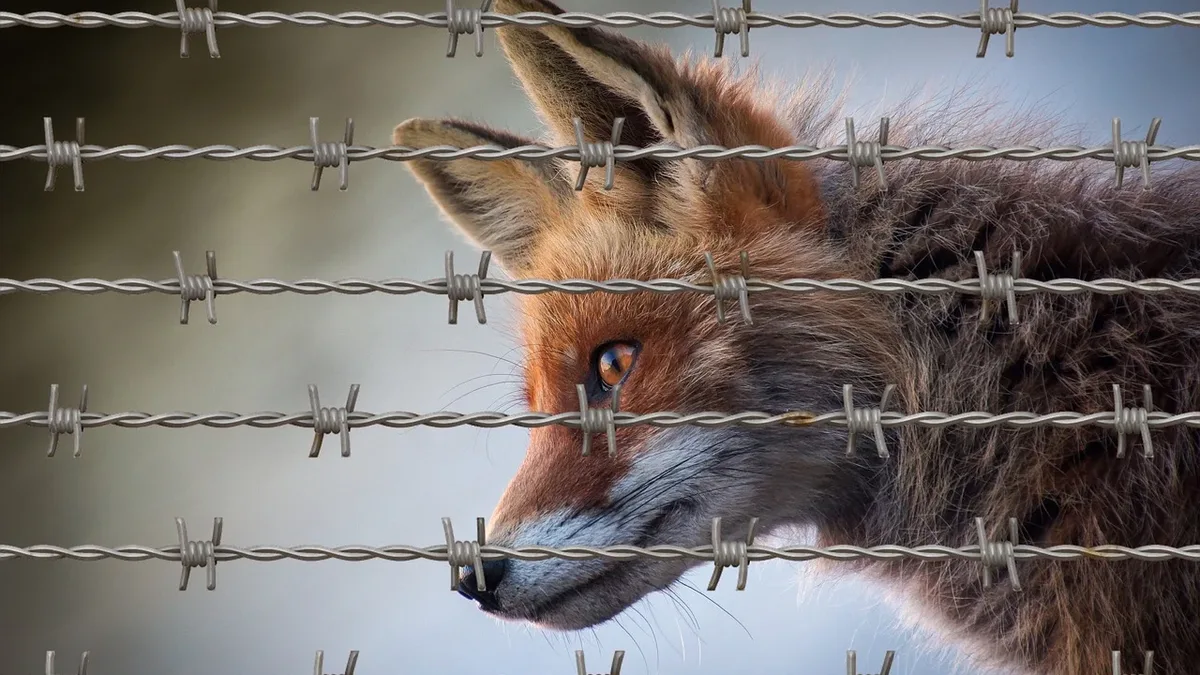
Backyard Chicken Emergencies: Predation Top
Predation is the top emergency for backyard chickens, followed by reproductive diseases. Treatment is complicated by strict drug rules for food...