Aspca Pet Health Insurance
| Company | ASPCA Pet Health Insurance |
|---|---|
| Underwritten by | United States Fire Insurance Company |
| Coverage type | Accident and illness plans |
| Available for | Dogs and cats |
| Reimbursement model | Percentage of eligible vet bill |
| Annual deductible | Optional amounts available |
| Payment process | Claim reimbursement to pet owner |
| Wellness add-on | Available as separate plan |
Origin and history
ASPCA Pet Health Insurance originates from the United States. It was launched in the late 1990s, a period when veterinary pet insurance was becoming more established in the North American market. The insurance is offered by the American Society for the Prevention of Cruelty to Animals, an organization founded in the 19th century. The program was created as a means to help pet owners manage the cost of veterinary care, aligning with the ASPCA's broader animal welfare mission. Its development was part of a trend where non-profit animal welfare organizations began endorsing or providing insurance products. The entry of a trusted entity like the ASPCA aimed to lend credibility and consumer confidence to the concept of pet insurance.
What it is designed for
This insurance product is designed to reimburse pet owners for a portion of eligible veterinary expenses incurred due to accidents, illnesses, and other covered conditions. It is intended to mitigate the financial shock of unexpected and often high-cost veterinary treatments, such as emergency surgeries or chronic disease management. The coverage is structured to function on a reimbursement model, where the pet owner pays the veterinarian directly and then submits a claim. It is designed for dogs and cats, covering a range of scenarios from diagnostic tests and hospitalizations to prescription medications. A core design principle is to provide options that allow owners to choose a level of financial protection suitable for their budget. The product is ultimately designed to facilitate access to necessary medical care by reducing the economic barrier for the pet owner.
Development and versions
The product has evolved since its initial launch, with developments primarily focused on expanding coverage options and streamlining the claims process. Early versions likely offered more basic accident and illness coverage, which has been supplemented over time. Subsequent developments introduced optional wellness plans, known as preventative care riders, which cover routine care like vaccinations and dental cleanings for an additional premium. The range of deductible amounts, reimbursement percentages, and annual payout limits has been expanded to create more customizable plans. Development has also involved integrating digital tools for online claims submission and policy management. These iterations reflect the broader industry trend toward greater plan flexibility and customer convenience, though the core reimbursement structure remains consistent.
Pros and cons
A significant pro is the association with the reputable ASPCA brand, which provides a sense of trust and legitimacy for potential customers. The coverage is generally comprehensive for accidents and illnesses, including hereditary and congenital conditions, which are common concerns for purebred animals. The cons include the inherent complexity of insurance terms, where pre-existing conditions are universally excluded and definitions of such conditions can be broad. A common mistake is not understanding that reimbursement is based on the actual veterinary invoice, not a predetermined benefit schedule, which can lead to unexpected out-of-pocket costs if the bill is high. Policyholders sometimes regret choosing a plan with a very high deductible or low annual limit when a major health crisis occurs, finding the financial relief less than anticipated. Another frequent criticism is the waiting period before coverage begins, particularly for orthopedic conditions, which can be several weeks to months.
Who it suits
This insurance suits pet owners who prioritize financial predictability and wish to avoid making medical decisions for their pet based primarily on immediate cost. It is particularly suited for owners of breeds prone to hereditary conditions or for pets with active lifestyles that increase injury risk. The product suits individuals who prefer a straightforward reimbursement model and are financially organized to pay the vet bill upfront before receiving reimbursement. It is a practical choice for those who value the endorsement of a major animal welfare organization and may be skeptical of for-profit insurance providers. Owners who are proactive about seeking veterinary care for ailments, not just emergencies, will likely derive the most value from the coverage. It is less suited for owners who cannot comfortably manage the monthly premium or who have a pet with significant pre-existing health issues, as those will not be covered.
Latest Aspca Pet Health Insurance news
Latest reporting
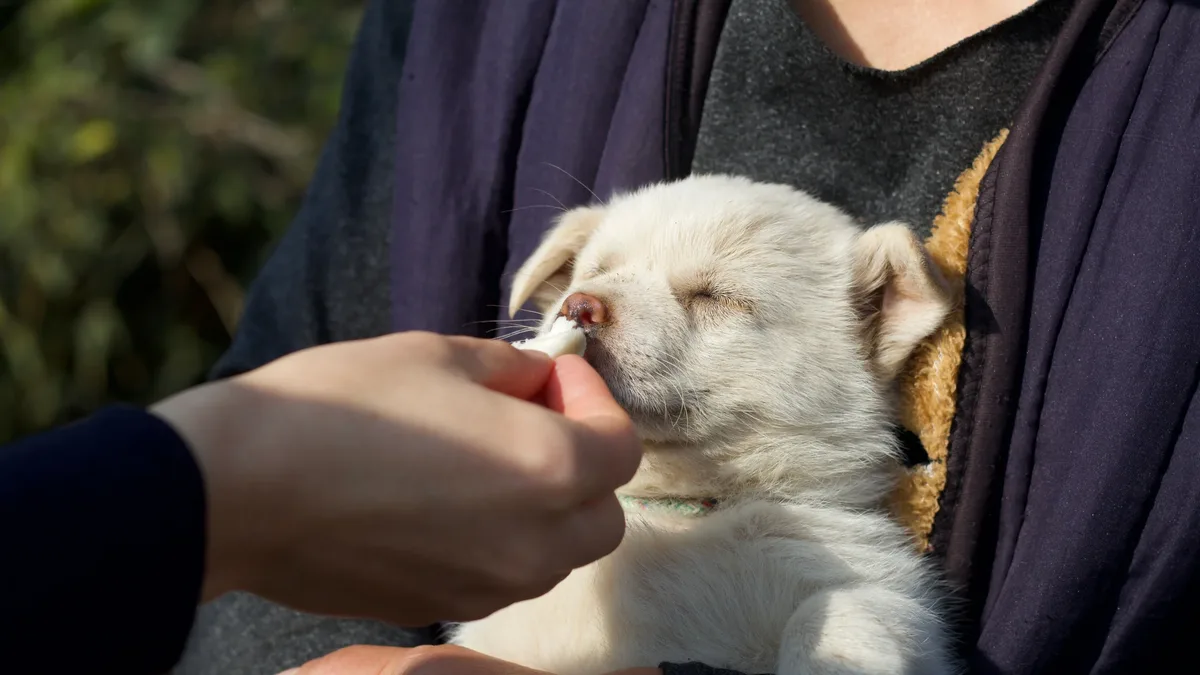
Boehringer Ingelheim and Purina Open Major New US Pet Care
Boehringer Ingelheim has opened a new US animal health headquarters in Georgia, while Nestlé Purina has launched a $550 million pet food plant in...

Veterinarian makes case for sabbaticals
A veterinarian argues for sabbaticals in the profession after taking a 12-week mental health leave, which she says led to professional renewal and a...
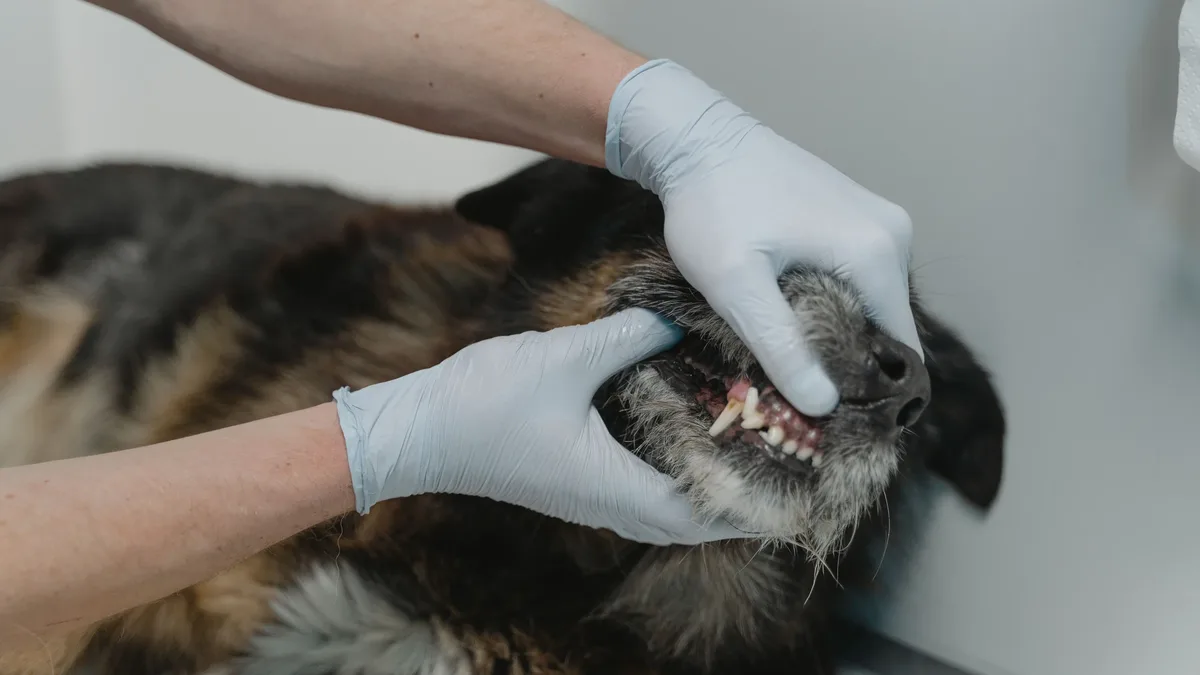
Veterinary Review Examines Dental Powder Efficacy for Dogs
A veterinary review states well-formulated dental powders can support canine oral health by slowing plaque formation and freshening breath, but they...

Acutonics Sound Therapy May Aid Cats With Six Health Issues
A sound-based complementary therapy using tuning forks on acupuncture points may help cats with conditions like chronic pain, anxiety, and digestive
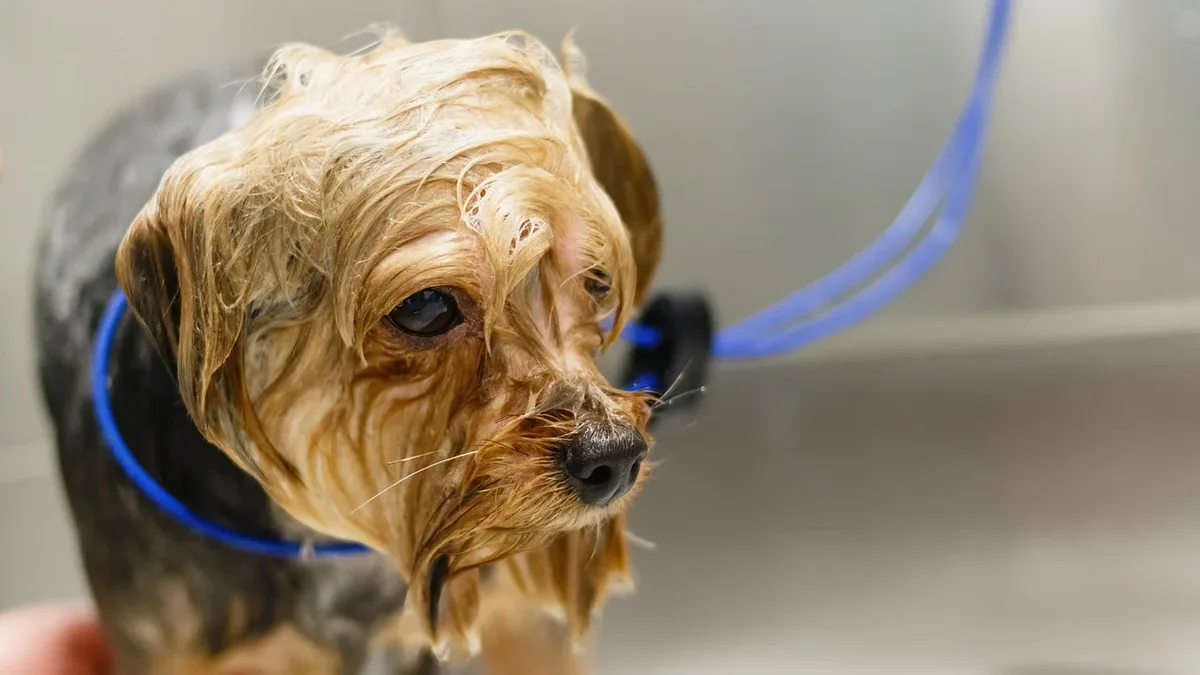
AKC Canine Health Foundation Funds $80 Million in Dog Health
The AKC Canine Health Foundation, a nonprofit funded solely by donations, has directed $80 million into canine health research.

Homeopathy Shows Promise for Treating Hyperthyroidism
A natural health magazine reports on homeopathy as an alternative treatment for feline hyperthyroidism, citing studies with positive outcomes and