Veterinary Review Examines Dental Powder Efficacy for Dogs
A veterinary review states well-formulated dental powders can support canine oral health by slowing plaque formation and freshening breath, but they do not
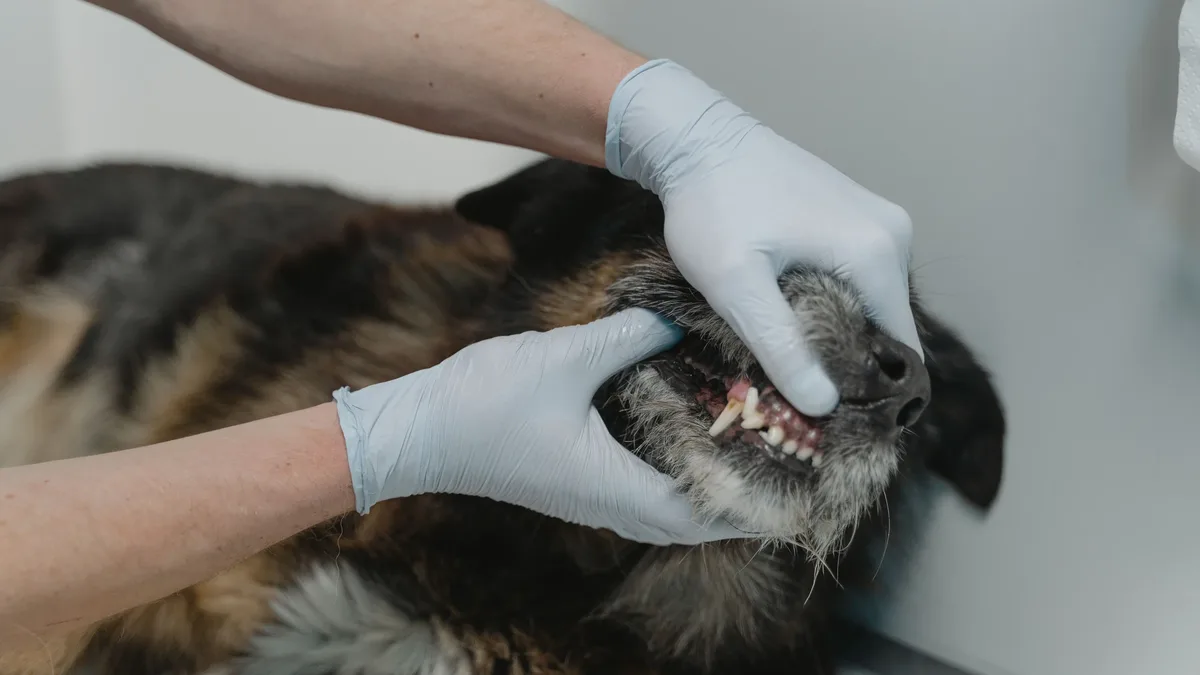
Dental powders for dogs can support cleaner teeth and fresher breath when used daily, according to a veterinary review published by VetStreet. These supplements work chemically and biologically, not mechanically, and are intended to complement brushing rather than replace it.
The review, written by veterinarian Athena Gaffud, DVM, and sponsored by PetLabCo, examines the active ingredients and brand-reported evidence behind such products. It concludes that powders are a supplement for maintenance, not a treatment for established dental disease. No powder can dissolve hardened tartar or clean below the gumline.
How Dental Powders Function
Dental powders are meal toppers that act after ingestion. Their efficacy hinges on three primary active ingredient classes. The first is oral probiotics, like Pediococcus pentosaceus and Lactiplantibacillus plantarum, which are intended to balance oral bacteria. The second is sodium hexametaphosphate, a compound that binds calcium in saliva to interfere with plaque hardening into tartar. The third is brown algae (Ascophyllum nodosum), a seaweed ingredient studied for its association with reduced plaque and calculus in dogs.
Two supporting botanicals, rosemary leaf extract and decaffeinated green tea, are often added for antioxidant support and breath freshness. The review emphasizes that these ingredients work gradually to support oral health, not to provide an instant fix.
Examining the Evidence
The article cites two brand-reported clinical studies on PetLabCo's ProBright Advanced formula. In a 28-day study, the product reportedly reduced hydrogen sulfide, a bad-breath compound, by 40%. A separate 90-day plaque study found daily users had a plaque index score 25% lower than a control group. VetStreet notes these are company-reported findings and that individual results may vary.
No independent, peer-reviewed studies are cited in the source material. The mechanism is supported by the understood action of the ingredients, such as the polyphosphate's role in binding calcium.
Practical Considerations and Safety
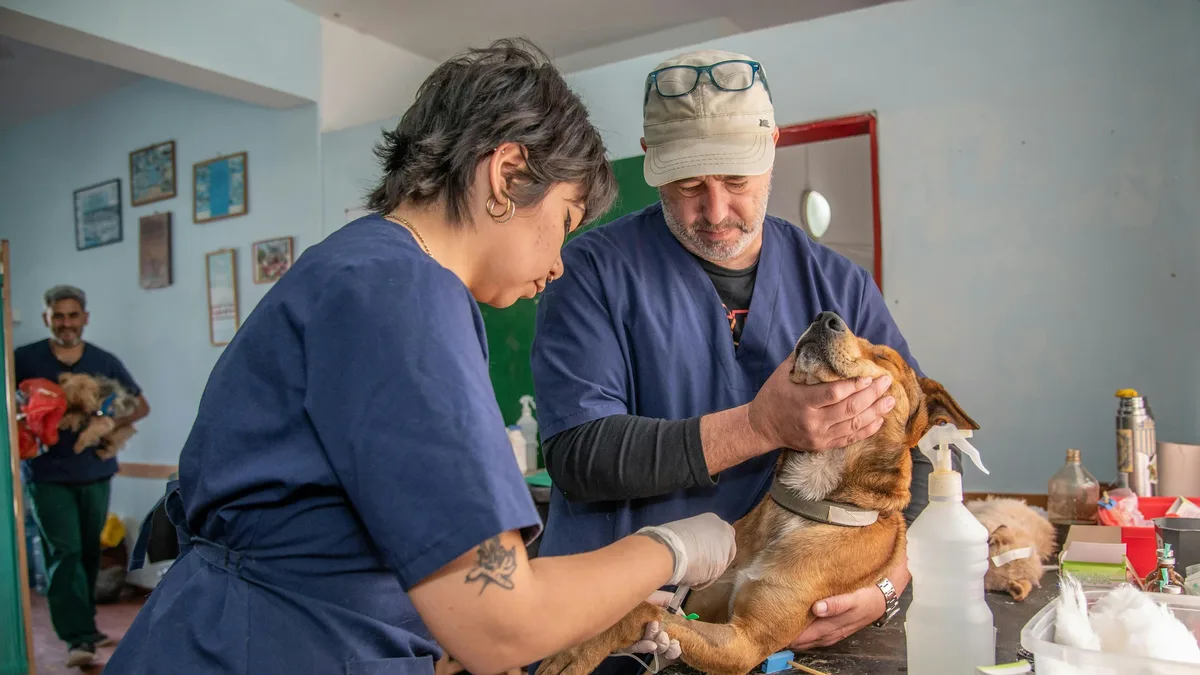
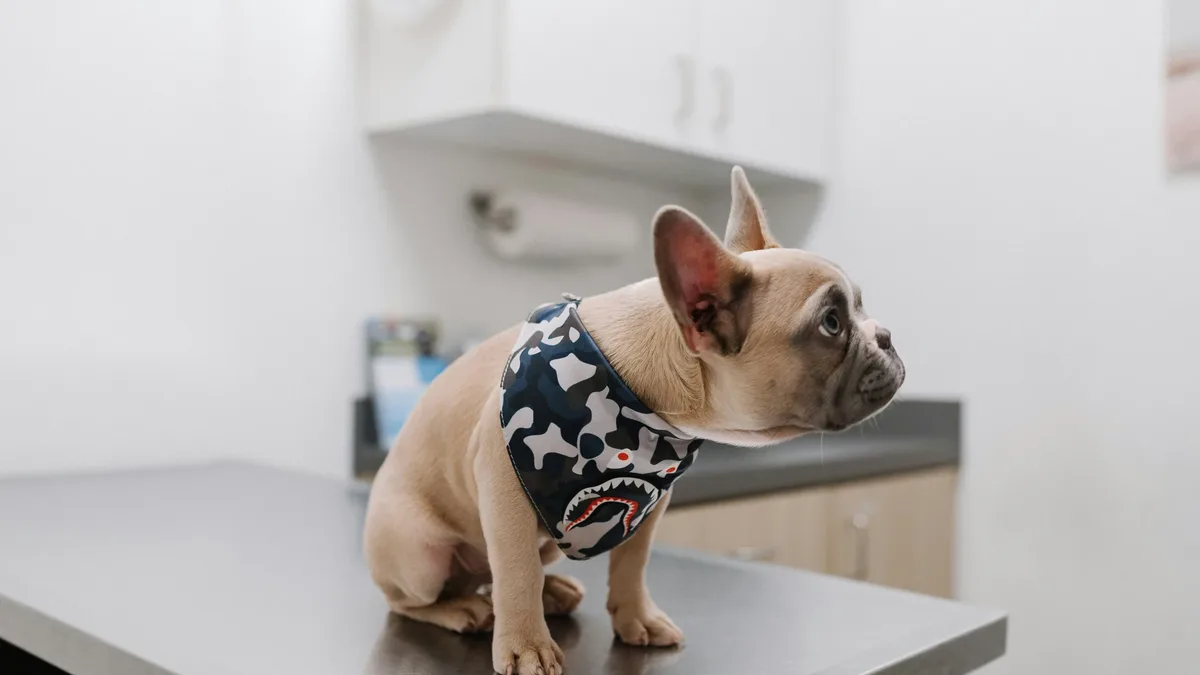
Dental powder is generally considered safe for healthy dogs aged 12 weeks and older when used as directed. The review advises giving it with food and consulting a veterinarian before use if a dog has a known health condition, is pregnant, or is on medication. A veterinary dental exam is recommended before starting any new supplement.
The product format can affect consistency. For example, ProBright Advanced is sold in a weight-matched tub with a scoop, while a variant called ProBright Advanced One comes in 30 pre-measured daily packets.
Comparing Home Care Options
The American Animal Hospital Association lists daily brushing as the most effective home care practice. The review positions dental powders as one part of a broader oral hygiene routine that should include brushing and professional veterinary cleanings. It contrasts powders with other options like water additives and dental chews, though specific comparisons are not detailed in the source.
For dogs with heavy calculus buildup, a professional veterinary cleaning is necessary first, as powders cannot remove existing tartar. The review states, "They are not designed to diagnose, treat, cure, or prevent dental disease."
Owners are advised to manage expectations, anticipating gradual support over weeks or months rather than immediate results. The final note reiterates the core message: these products offer support within a comprehensive care plan, not a standalone solution.