Jane Goodall's approach to understanding pet behavior
A guide to observing pet behavior like a primatologist and a list of popular veterinary podcasts from 2026.
Two distinct stories offer insights for pet owners and veterinary professionals. The first applies Jane Goodall's observational methods to understanding dogs and cats, while the second details the most listened-to podcast episodes for veterinarians in 2026.
Observing Pets Like Jane Goodall
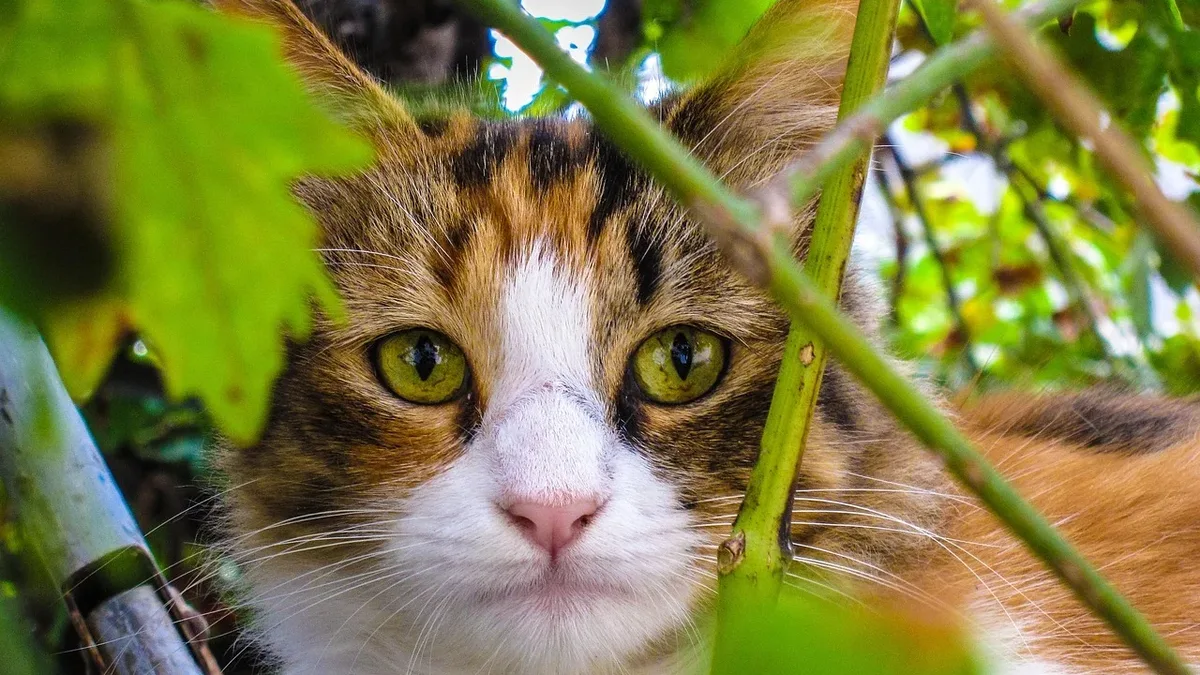
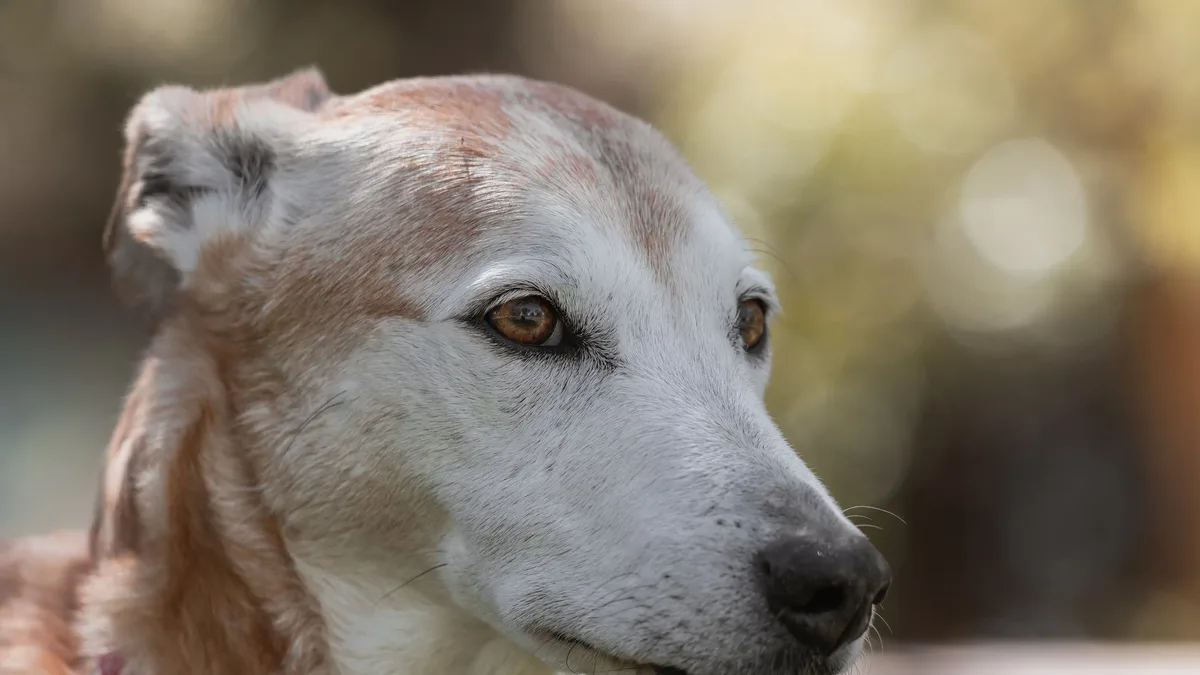
Pet owners can better understand their dogs and cats by adopting the patient, compassionate observation techniques pioneered by primatologist Jane Goodall. The core principle is to observe first and react second, taking time to watch a pet's body language and note what precedes specific behaviors before intervening. Key signals include a tucked tail, flattened ears, slow blinking, or raised hackles, which communicate an animal's emotional and physical state.
Maintaining a detailed behavior journal is recommended to track eating and drinking habits, energy levels, unusual actions like excessive scratching, and social interactions. This recorded history provides concrete data for veterinary visits, moving beyond vague concerns to specific statements like noting a cat drinking significantly more water for five days. Recognizing each pet's unique personality and baseline behavior allows owners to spot changes that may indicate early health issues. Respecting innate instincts, such as a dog's need to sniff or a cat's need to scratch, is also key for their well-being. Finally, owners should partner with their veterinarian to decode observations and rule out medical causes for behavioral shifts.
Popular Veterinary Podcasts of 2026
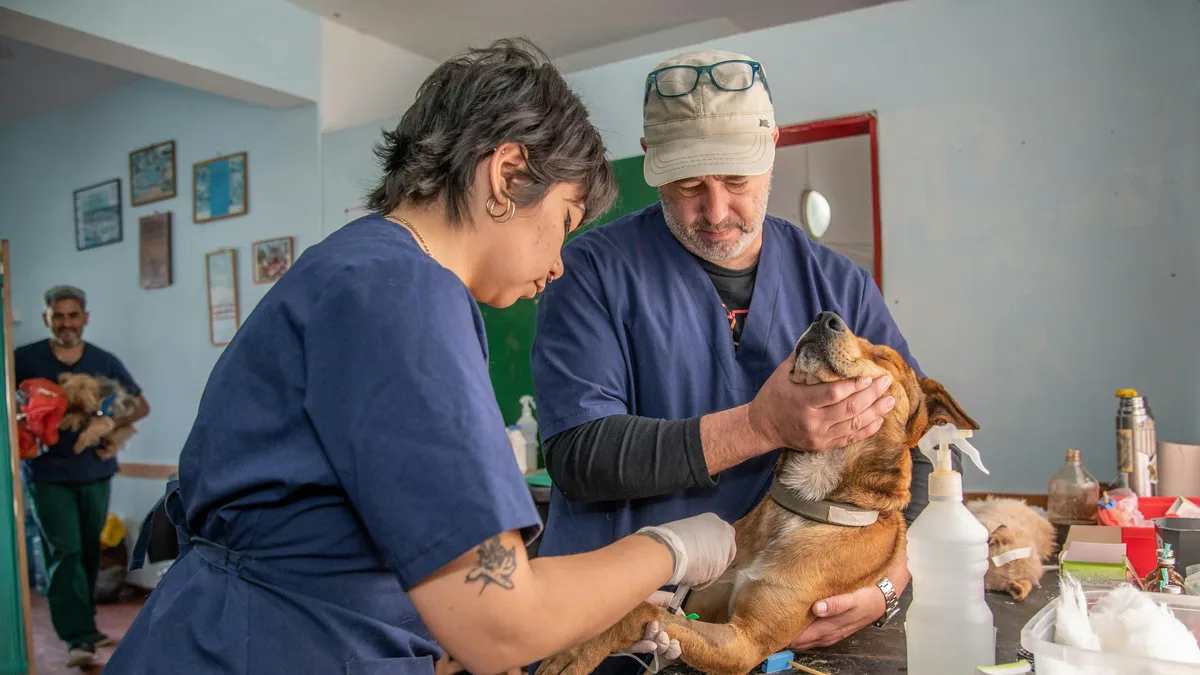
The most popular podcast episodes for veterinary professionals in 2026 covered feline care, ophthalmology, dental prevention, and professional burnout. The episodes, from The Vet Blast Podcast and The Resilient Vet, were frequently listened to during commutes, lunch breaks, or quiet moments in clinics as of October 2026.
Topics ranged from clinical guidance to personal wellness. Episodes provided a real-world approach to managing feline diabetes and strategies for creating low-stress veterinary visits for cats. Others offered practical ophthalmology tips for general practice and answered common questions primary care veterinarians have for cardiologists. One episode discussed raising dental prevention from a COHAT (Comprehensive Oral Health Assessment and Treatment) to a COPAT approach. Wellness-focused episodes addressed processing the emotional impact of difficult client interactions and examined the prevalence of physical pain among veterinary staff, highlighted when approximately 500 professionals at a conference all indicated they regularly worked in pain. Nutritional advice included protein tips and a discussion on creatine supplementation, while another episode outlined five ways to say "no" to manage professional demands.