Vetstreet Details How to Make and When to Buy Bone Broth
Vetstreet explains a plain recipe for homemade dog bone broth and advises buying a commercial product for convenience or safety.
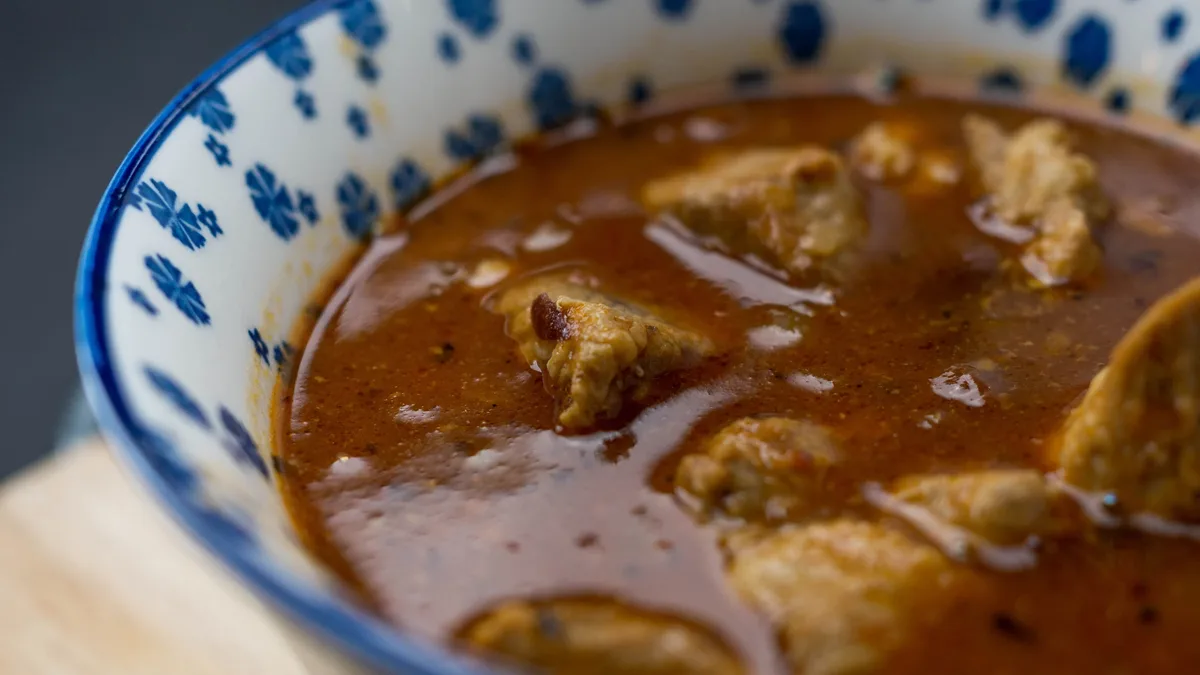
Learning to make bone broth for dogs requires just plain animal bones and water. The publication warns against using onion, garlic, seasoning, or added salt, and stresses that broth is only a meal topper, not a treatment for health issues.
Vetstreet, in a sponsored article with editorial control, states that homemade broth can add moisture and aroma to a dog's food. It is an occasional supplement. The process demands careful supervision to remove every bone fragment after cooking. For owners short on time or concerned about food safety, a dog-specific commercial product may be a more practical choice.
What Broth Can and Cannot Do
Bone broth is the liquid from simmering bones and connective tissue. Its most reliable role is practical: moistening dry food, changing texture, or encouraging fluid intake in a medically stable dog. Some dogs enjoy a spoonful mixed into their normal meals. A frozen portion can serve as occasional enrichment.
The limits are critical. Broth is not a complete-and-balanced diet. It should not replace significant portions of a nutritionally adequate food. The FDA's explanation of pet food notes nutritional adequacy depends on a product's adequacy statement, not on an ingredient sounding wholesome.
"Bone broth also should not be described as a joint treatment, a gut healer, a detox, or an alternative to veterinary care," the source states. A dog showing signs of illness like vomiting or persistent diarrhea needs a veterinary plan. Adding broth may change flavor, but it does not resolve the underlying problem. Owners should consult a vet before adding broth to a dog on a therapeutic or restricted diet.
Ingredients and Safe Preparation
The safest ingredient list is intentionally short: plain animal bones and fresh water. Vegetables, herbs, vinegar, and seasonings are not required. A minimal recipe simplifies control and reduces the risk of a harmful human-food ingredient entering the pot.
Vetstreet instructs owners to use a stockpot or slow cooker that can maintain a controlled simmer. Necessary equipment includes a fine mesh strainer, clean storage containers, and enough refrigerator space to cool the liquid promptly. A second straining can catch smaller particles. For those not confident in removing every fragment, buying a dog-specific broth is advised.
The recipe must stay plain. Onion, garlic, and chives belong to the allium family and can damage red blood cells in pets. Bouillon, packaged stock, and seasoning blends may contain unsafe amounts of salt or hidden alliums. The ASPCA lists these as hazards. Owners should not use bones from seasoned dishes like rotisserie chicken or seasoned ribs. Raw-meat handling hygiene is also essential before cooking.
Step-by-Step Cooking and Safety
The process focuses on eliminating hazards at every stage. AKC veterinary guidance on bland foods and broth similarly emphasizes plain preparation.
First, inspect that bones are plain and free from seasoning. Set up the straining and storage equipment in advance. Place bones in the cooking vessel and add water without any flavoring. Use a gentle, controlled simmer, not a hard boil. Cooking time varies; safety comes from full cooking, clean handling, and prompt cooling.
After simmering, remove every bone with a utensil and discard them securely in a dog-proof container. Cooked bones can splinter and cause serious injury. Next, pour the liquid through a fine mesh strainer into a clean container. Strain a second time if any grit is visible or if uncertainty remains.
Cool the strained broth promptly in shallow containers and refrigerate it. Once chilled, remove the hardened layer of excess fat that often forms on top. This makes portions easier to control and may reduce digestive upset. Dogs with a history of pancreatitis need veterinary advice before receiving even defatted broth.
Finally, portion the broth into small containers, silicone molds, or freezer-safe packages. Label with the date. A portion meant to moisten a single meal should be much smaller than a human soup serving. Start with a small amount and monitor the dog's stool, appetite, and comfort.
Choosing a Commercial Broth
Homemade broth is worthwhile when an owner can supervise the entire cook-cool-strain process. A commercial, dog-specific product becomes the more practical choice when time, travel, predictable directions, or food-safety concerns are priorities. These products offer consistent ingredients, label-based portions, and easy storage.
The source mentions sponsor The Honest Kitchen as an example, offering both instant powdered broths and ready-to-pour toppers. These provide convenient ways to add broth without handling cooked bones at home. Regardless of the source, broth or topper calories should be counted within the dog's daily food intake.