Veterinarian Outlines 3-Step Plan for Parrot Behavior
A veterinary behaviorist details the '3 M's' framework-management, modification, and medication-for treating common parrot issues like screaming and
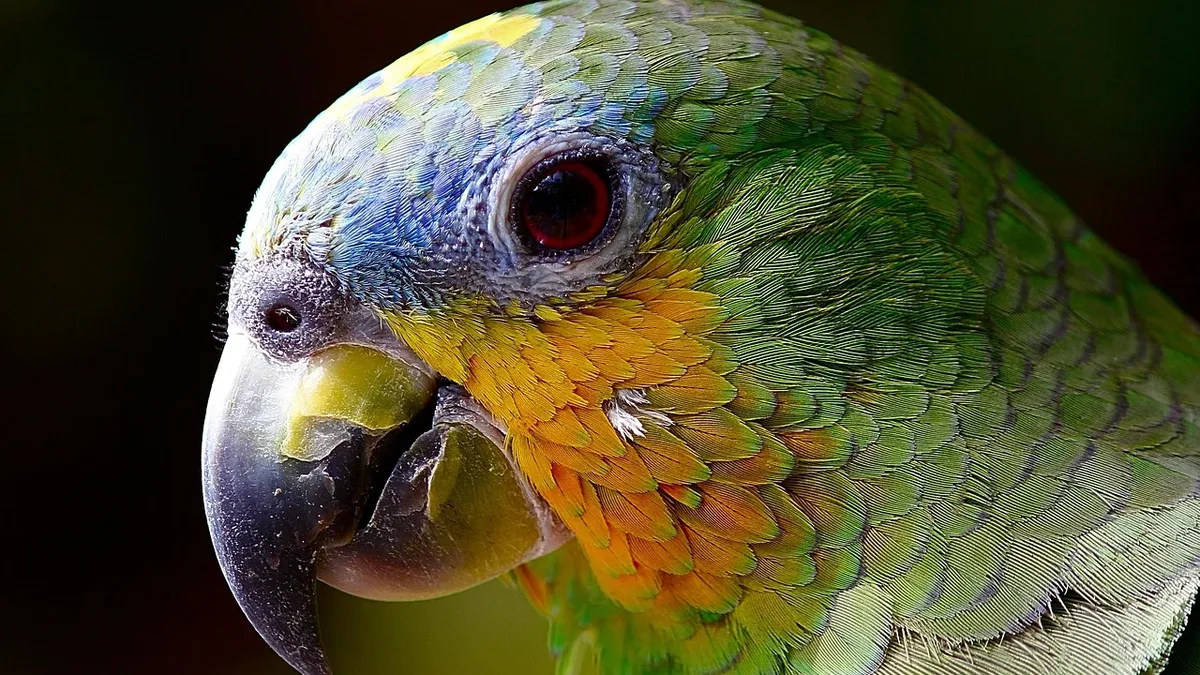
Veterinary behaviorist Valli Parthasarathy has outlined a three-part strategy for tackling behavior problems in pet parrots. The approach, presented at the American Veterinary Medical Association Convention, focuses on management, behavior modification, and medication.
Parrots are long-lived birds, with lifespans spanning decades and varying by species. Common issues owners face include excessive screaming, fear-based reactions, and destructive chewing. Parthasarathy, of Synergy Veterinary Behavior in Portland, Oregon, calls her framework the "3 M's." She explained each component in an interview with dvm360.
Starting with a Behavioral History
The first critical step is obtaining a detailed behavioral history. Parthasarathy notes that general practitioners often have limited time for in-depth discussions during routine visits. She recommends a direct question to parrot owners: "Is your parrot performing any behaviors or exhibiting behaviors that you wish they didn't?"
If the answer is yes, the veterinarian should schedule a dedicated consultation. "In the meantime, can you fill out this history form so that we can get more information about why this is happening?" Parthasarathy suggested. This history helps trace a behavior to its root cause, which is essential for effective treatment.
The Framework of the 3 M's
Parthasarathy's treatment plan is built on three sequential pillars. The first is management. This involves altering the bird's environment to reduce its exposure to known triggers for unwanted behavior. Simple changes can make a significant initial impact.
The second M is behavior modification. This step aims to change the parrot's emotional response to a trigger. Techniques include desensitization and counterconditioning. The goal is to teach the bird a new, calmer association with a previously frightening or exciting stimulus.
Medication is the third M. Parthasarathy advises that it should often be considered last. "Sparse species-level drug research makes the first two her starting point for these birds," the source report states. The limited pharmacological data across various parrot species means management and modification are frequently the primary tools.
Knowing When to Refer a Case
A general practitioner's comfort level determines how far they can proceed with a behavior case. Parthasarathy highlighted the need to distinguish between different causes for the same symptom. For instance, constant screaming could stem from social isolation, contact calling, or separation-related distress.
She posed key questions for veterinarians to consider. Can they identify the specific cause? Do they have appropriate treatment plans? If the answer is no, then referral to a board-certified veterinary behaviorist is the recommended next step. This ensures the parrot receives specialized care for complex behavioral issues.
Proper care for birds like parrots requires an understanding of their social needs, as they are often flock animals requiring companionship. The 3 M's framework provides a structured way for veterinarians to address the practical challenges of keeping these intelligent, long-lived pets.