Natural Strategies to Lower Cat Infectious Disease Risk
Animal Wellness Magazine outlines 15 natural methods to strengthen a cat's immune system and reduce exposure to pathogens, emphasizing diet, environment
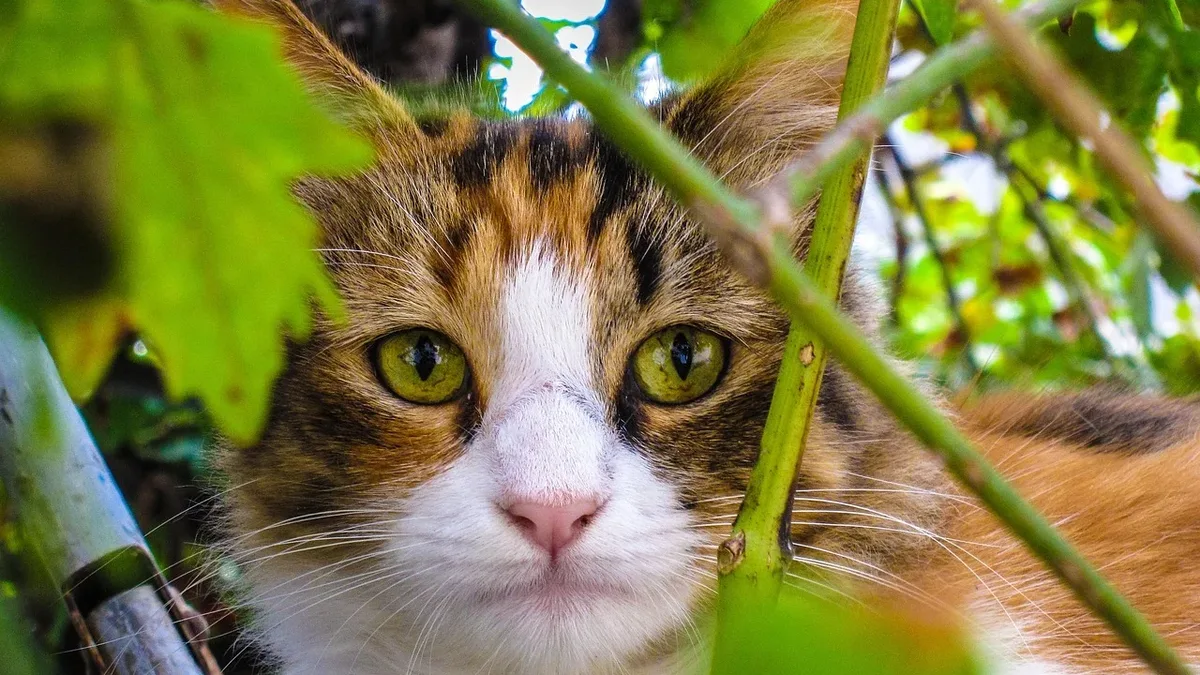
A cat's risk of contracting infectious diseases can be reduced through natural methods that bolster its immune system, according to a guide from Animal Wellness Magazine. The publication details 15 everyday strategies focusing on nutrition, environment, and lifestyle to help fend off viruses, bacteria, fungi, and parasites.
Foundational Health Practices
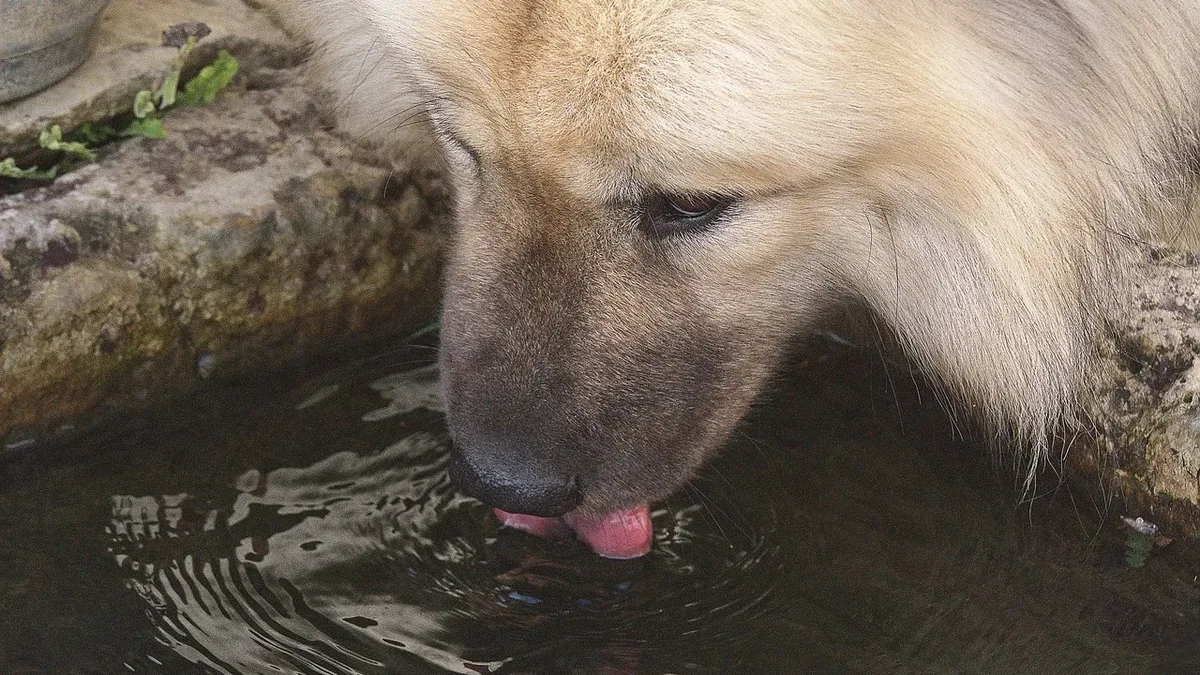
Feeding a high-quality, species-appropriate diet is the first step. As obligate carnivores, cats require animal protein to thrive and support immune function. The source advises choosing foods with named proteins like chicken or salmon as the first ingredient while avoiding fillers such as corn syrup. Concurrently, providing fresh, clean water is key for hydration, toxin flushing, and kidney support. Using a cat fountain may encourage drinking.
Gut health is closely tied to immunity. Probiotic supplements designed for cats can help maintain a healthy balance of digestive bacteria, which aids the body's response to germs. A veterinarian should be consulted before starting any new supplement.
Environmental Management
A clean living space is a key defense. Regularly cleaning a cat's food bowls, water dishes, litter boxes, and bedding helps reduce harmful microorganisms. The guide recommends switching to plant-based, non-toxic cleaning products, as chemicals like phenols found in some disinfectants can be harmful to cats.
Minimizing household stress is vital because chronic stress weakens the immune system. Maintaining consistent routines, providing safe hiding spots and vertical spaces like cat trees, and fostering a calm atmosphere can lower a cat's stress levels. Good ventilation and air quality also matter; using HEPA air purifiers and avoiding smoking around cats can decrease respiratory infection risks.
Proactive Prevention and Care
Natural parasite prevention is another layer of defense. Fleas, ticks, and worms can spread disease and compromise immunity. The source mentions that measures like using food-grade diatomaceous earth, with veterinary approval, along with regular grooming and cleanliness, can help. Limiting a cat's exposure to unfamiliar cats outdoors is also critical for preventing the spread of viruses like Feline Leukemia Virus (FeLV) and Feline Immunodeficiency Virus (FIV).
Some herbs, such as echinacea and astragalus, may support immunity, but veterinary consultation is essential before use. "Always consult your veterinarian before introducing any herbal supplements, as cats process substances quite differently," the guide states.
Supporting Daily Wellness
Regular grooming maintains healthy skin, a primary barrier against infection, and allows owners to check for problems. Daily exercise through play with interactive toys and puzzle feeders supports circulation, weight management, and mental health, all contributing to a robust immune system. Ensuring cats have a quiet, cozy place for restful sleep is equally important, as immune functions strengthen during rest.
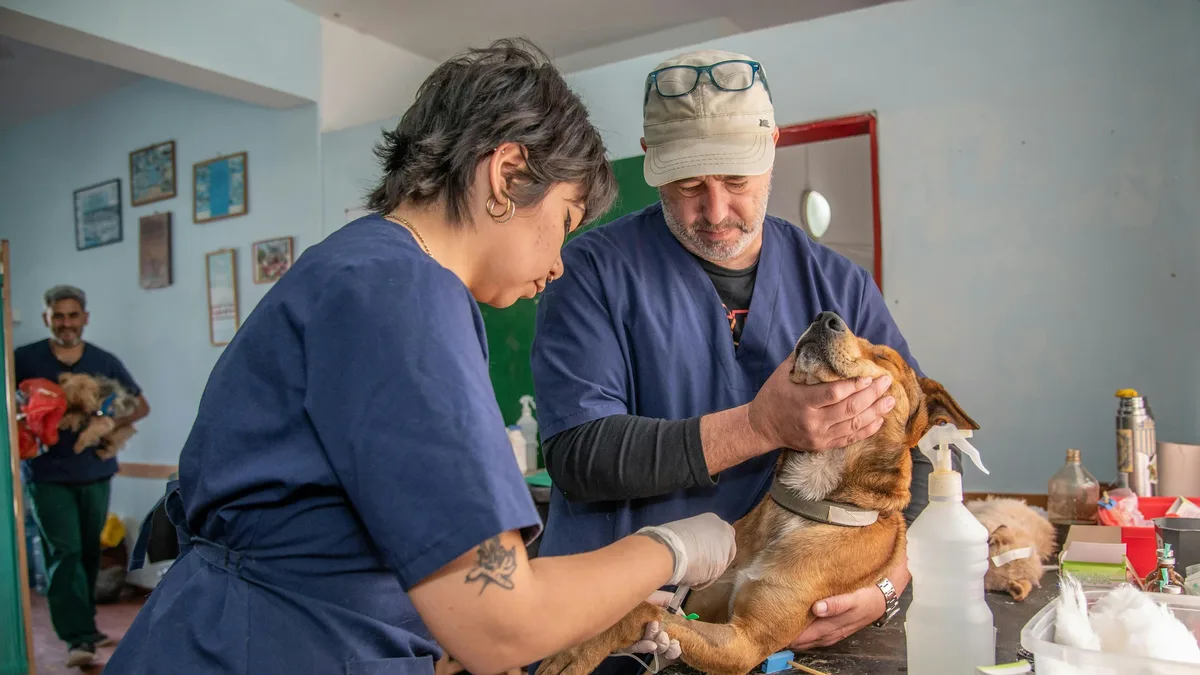
Finally, the guide stresses that these natural methods complement, rather than replace, veterinary medicine. Regular wellness checks allow a vet to spot early illness signs and recommend vaccinations. The source clearly notes that natural preventive care is not a substitute for key vaccinations against diseases like panleukopenia or rabies. Owners should watch for signs of a weak immune system, including frequent infections or slow-healing wounds, and seek veterinary advice promptly.