Arizona Expands Screwworm Zones After Six Animal Cases
Arizona has confirmed six New World screwworm cases in dogs, horses, and sheep, triggering mandatory 20-km movement restrictions and new permit requirements for pets traveling from infested zones.

Arizona has confirmed six New World screwworm cases in animals, prompting new travel restrictions for pets. The state's Office of the State Veterinarian issued a memo on November 9, 2026, requiring USDA-accredited vets to verify destination states' entry requirements for dogs and cats leaving infested zones. Cases include two in dogs, three in horses, and one in a sheep, with the first detection in a Cochise County dog announced on October 28, 2026.
Three active infested zones are now established, each with a mandatory 20-kilometer (12.4-mile) radius. Animals cannot leave these zones until restrictions are lifted, unless directed by the state veterinarian. The fifth case, a dog in Graham County, and the sixth, a horse in Cochise County, both with no known travel history, expanded the infested areas.
Movement restrictions and permit requirements for pets
Leaving an infested zone requires specific documentation. Pet owners need an Arizona NWS premovement permit, an electronic certificate of veterinary inspection (CVI), and must meet any additional requirements from their destination state. At least nine states now require inspections for pets coming from Arizona.
California, for example, mandates an electronic CVI with a New World Screwworm statement and an entry permit obtained within seven days of arrival. State-specific rules can be found via state Department of Agriculture websites or through a pet owner's veterinarian. Self-inspection protocols are suspended while an infested zone is active.
Veterinary oversight and daily inspection protocols
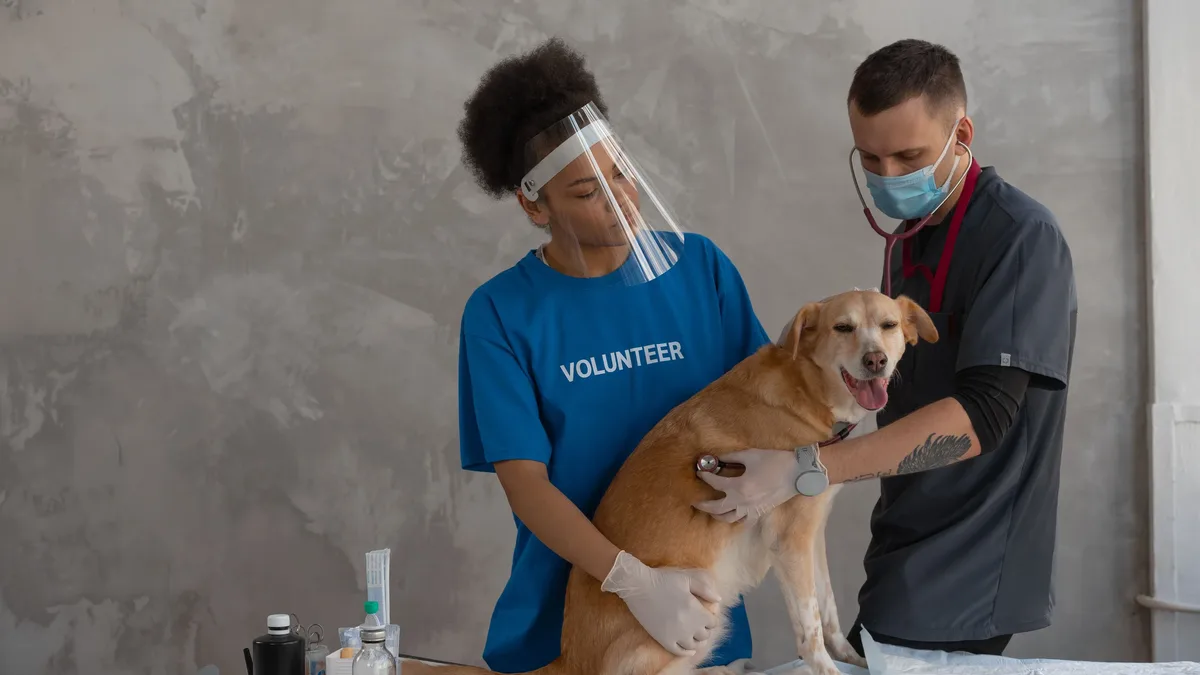
Only veterinarians certified by the U.S. Department of Agriculture can perform the required inspections. These professionals must check animals daily for open wounds. Any maggot-infested wounds must be reported to the Arizona Department of Agriculture at a specific email or phone number during business hours, Monday through Friday from 8 AM to 5 PM Mountain Time.
The memo makes these accredited veterinarians responsible for verifying the entry rules of destination states. It advises owners to review these requirements well before departure to allow time for vet outreach.
Owner concerns and travel impacts
Pet owners are reporting significant disruptions. Deanna Compos changed travel plans due to the restrictions and costs, which can run approximately $150 per dog for inspections. Pamela Peacock, a pet owner in Marana, expressed concern about the multi-state compliance challenges.
Veterinarians are fielding more calls. Clayton Wengert, owner of Marana Veterinary Clinic, noted increased inquiries ahead of Thanksgiving. He stated it is only a matter of time before screwworm reaches Pima County and recommends preventative medication and routine wound checks for pets.
For dogs and cats located outside the designated infested zones, there are no movement restrictions within Arizona or special requirements to leave the state. Sarah Heinrich noted the situation is dynamic, saying destination states may update entry requirements before website changes take effect. Pet owners must review destination state requirements well before departure to allow time for veterinarian outreach.