Dog chews naproxen bottle, suffers kidney injury and GI
A dog nearly died after chewing through a bottle of naproxen, a common human NSAID. Veterinary toxicologists warn a single 220mg tablet can cause severe gastrointestinal ulcers and acute kidney failure in pets.
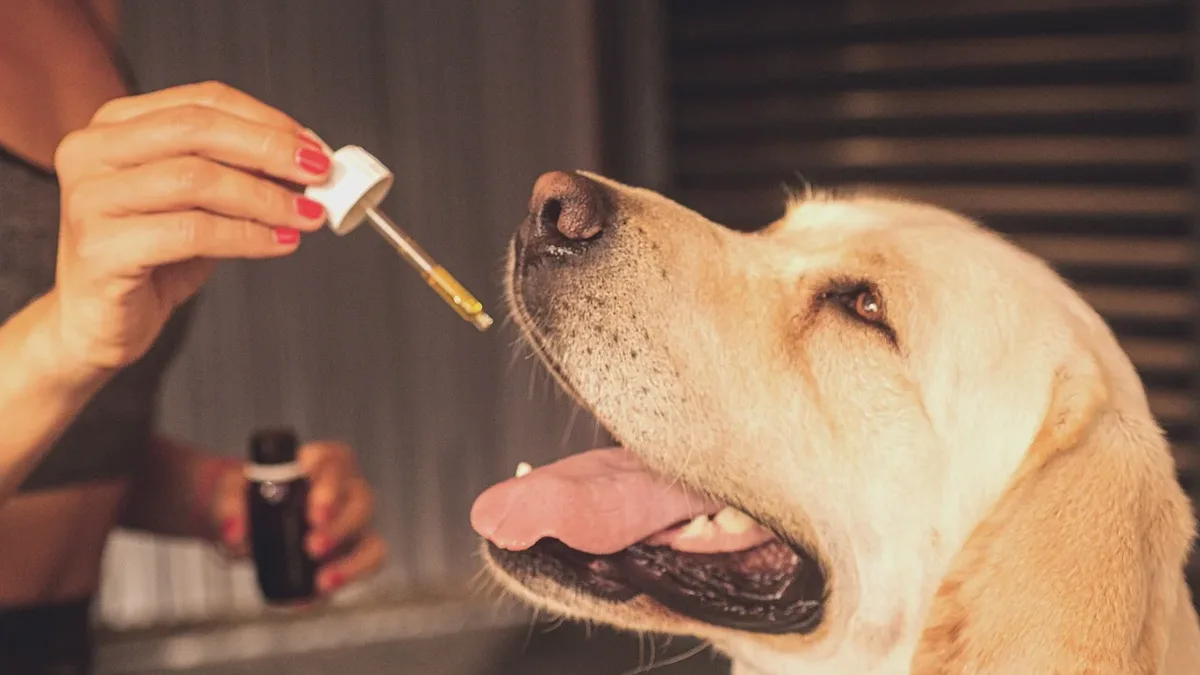
A dog in South Carolina nearly died after chewing open a bottle of the human pain reliever naproxen while left alone for about 15 minutes. The case shows the extreme danger common over-the-counter medications pose to pets.
Phaedra, an Italian Mastiff, opened a drawer and chewed through a bottle belonging to her owner's grandmother while the owner, Jim Wren of Columbia, was in the shower. Wren recognized the medication immediately. "When I saw it was naproxen, I knew we were going straight to the veterinarian," he said. That quick recognition proved critical. By the time Phaedra reached the clinic, bloodwork showed she was already experiencing renal and gastrointestinal complications.
Naproxen is a nonsteroidal anti-inflammatory drug (NSAID) widely available without a prescription for human use. In pets, its safety margin is dangerously narrow. Renee Schmid, DVM, a senior veterinary toxicologist at Pet Poison Helpline, stated, "Naproxen should never be given to your dog or cat."
Toxicity signs and dangers
Reported signs of naproxen toxicity in animals include vomiting, diarrhea, lethargy, abdominal pain, and lack of appetite. More severe indicators are pale gums, weakness, bloody stools, and increased drinking and urination linked to kidney failure. A single 220-milligram tablet can produce serious illness or death in dogs and cats.
Early veterinary intervention is key because significant internal injury can occur before severe outward symptoms appear. Knowing the specific medication and the approximate amount ingested helps guide treatment.
Aggressive treatment leads to recovery
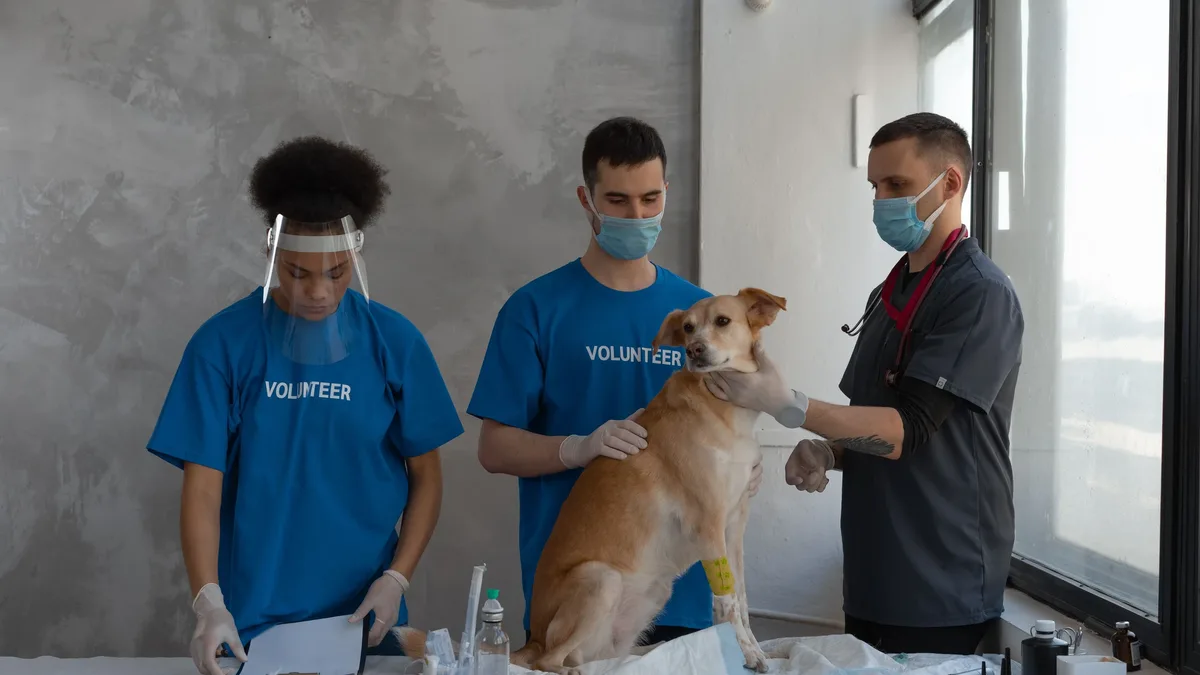
At Four Paws Animal Clinic in Columbia, Phaedra's bloodwork revealed a progressing kidney injury. She was also anemic, likely from gastrointestinal bleeding. The clinic consulted a Pet Poison Helpline toxicologist, who recommended aggressive supportive care.
The treatment plan included intravenous fluids to support kidney recovery, medications to protect the gastrointestinal tract, and anti-emetics to control vomiting. The team closely monitored Phaedra's red blood cell count and kidney values, prepared to administer a blood transfusion if necessary.
"When we got to the hospital, the veterinarian initially thought Phaedra wouldn't make it," Wren recalled. "She was going into renal failure, and I told him let's do everything we can do."
Long road back to health
Phaedra ultimately responded to the intensive treatment. After her hospital stay, Wren monitored her at home for three weeks, returning to the clinic for additional blood tests and treatment. According to the Pet Poison Helpline, Phaedra was sent home on a special diet and medications. She has since made a full recovery.
The case serves as a stark reminder for pet owners to secure all human medications. Dogs and cats that may have ingested naproxen or any other NSAID require immediate evaluation by a veterinarian or an animal poison control service.