Veterinary Psychiatry Transforms Canine Behavior Treatment
A veterinary neurologist describes a paradigm shift in treating canine separation anxiety as a neurobiological condition.
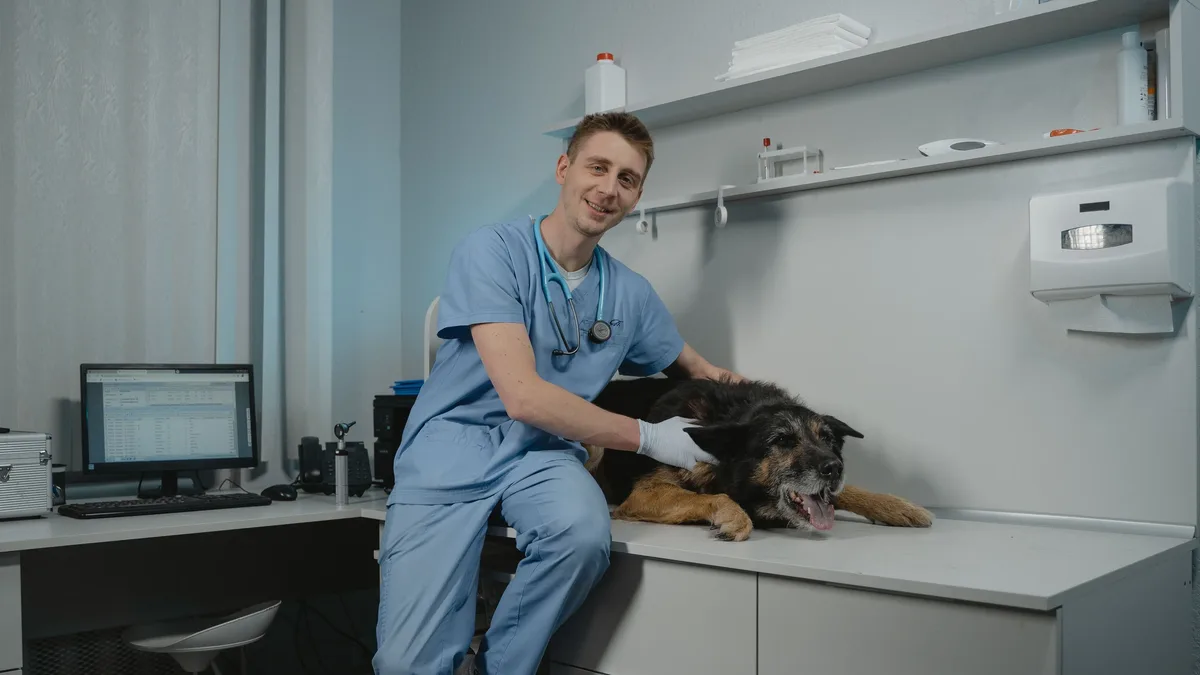
Veterinary medicine is experiencing a fundamental shift in how canine behavioral disorders are understood and treated, moving from viewing them as training failures to neurobiological conditions. Separately, pet owners are increasingly considering prebiotics as a targeted way to support their cats' digestive health by nourishing beneficial gut bacteria.
Psychiatric Approach to Canine Anxiety
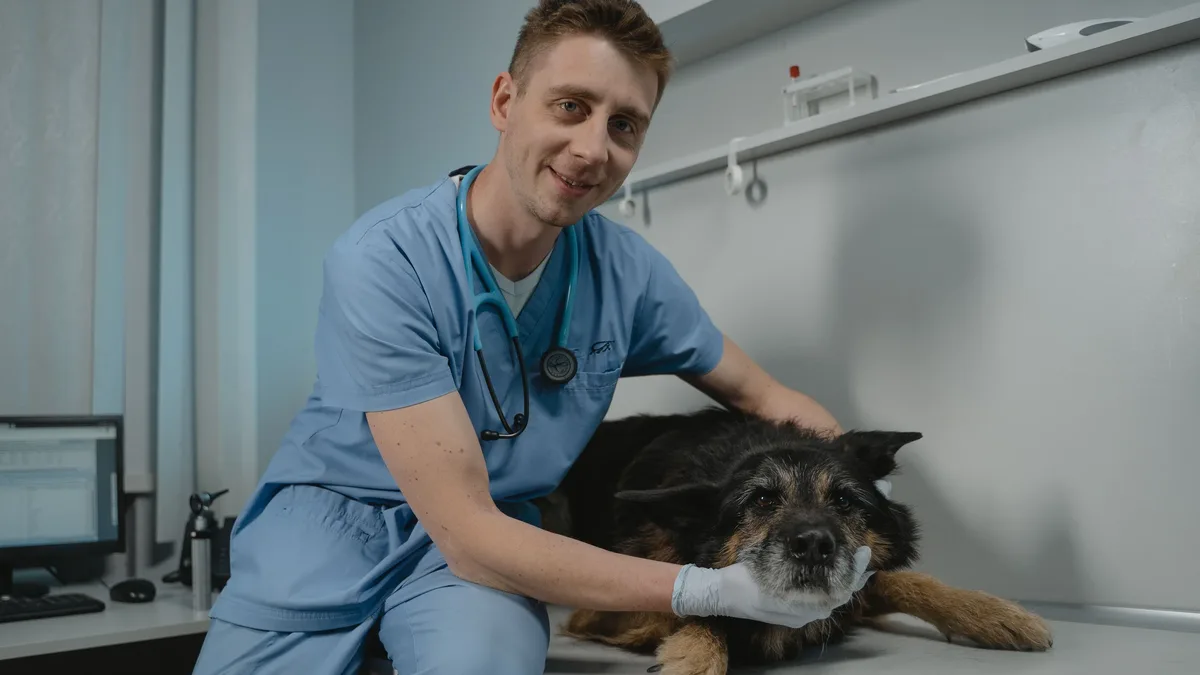
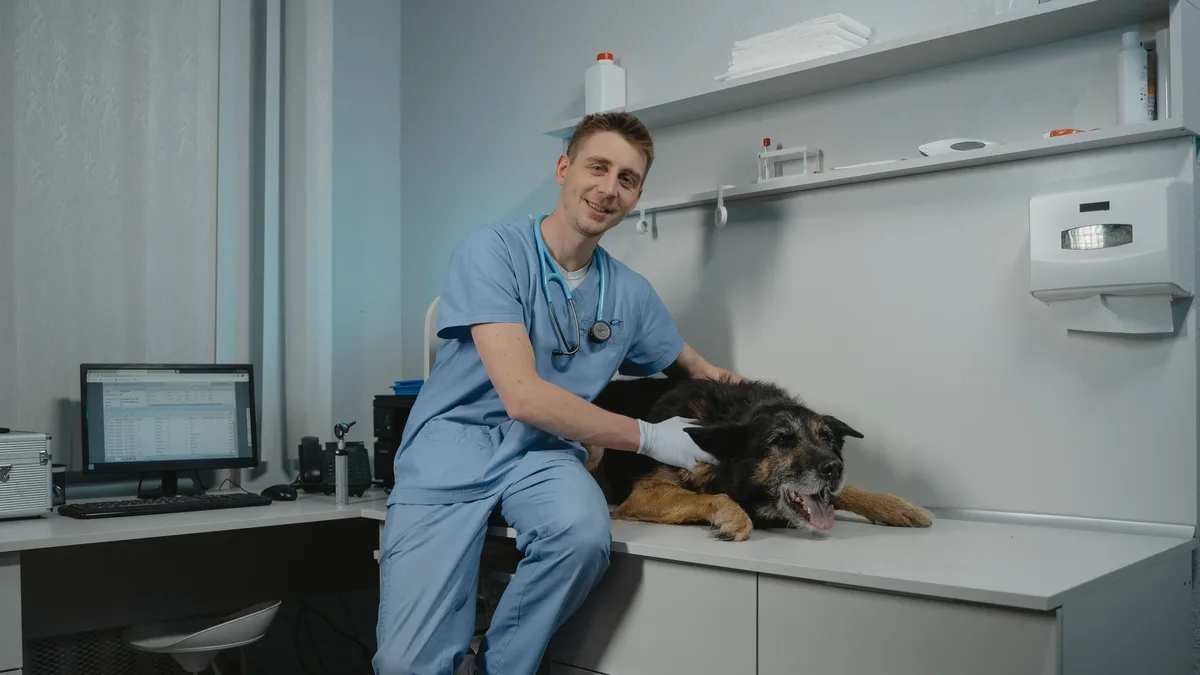
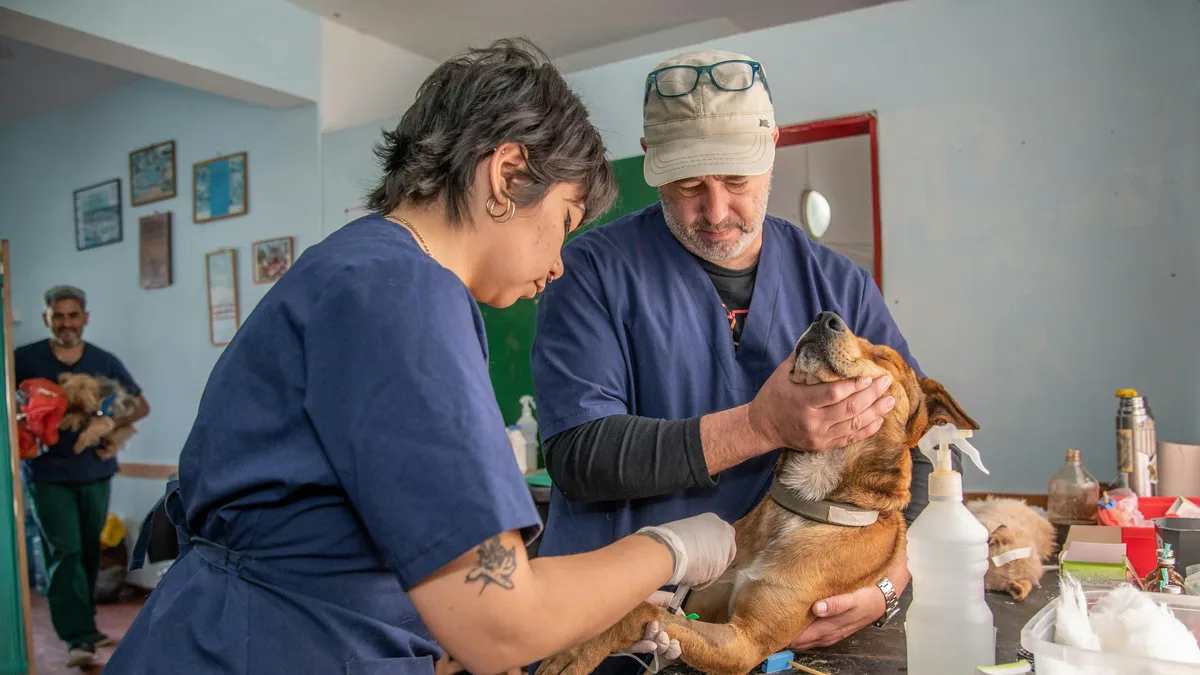
Dr. Simon R. Platt, a veterinary neurologist and former professor, states that the introduction of medications like fluoxetine has revolutionized the treatment of canine separation-related disorders. He notes that dogs which bark, destroy furniture, or eliminate indoors when alone are now recognized as experiencing a physiologic panic response, not merely disobedience. This movement from punishment to treatment, viewing behavior as rooted in neurobiology, represents one of the most significant advances in companion animal practice in recent decades.
Dr. Platt highlights that medications such as fluoxetine, clomipramine, and trazodone can reduce the neurochemical cascade underlying panic. These drugs are not substitutes for training but are tools that create the conditions necessary for successful behavior modification. The parallels with human psychiatry are striking, as modern veterinary psychopharmacology has helped reframe many emotional and behavioral disorders as biologic diseases of the brain.
Selecting Prebiotics for Feline Health
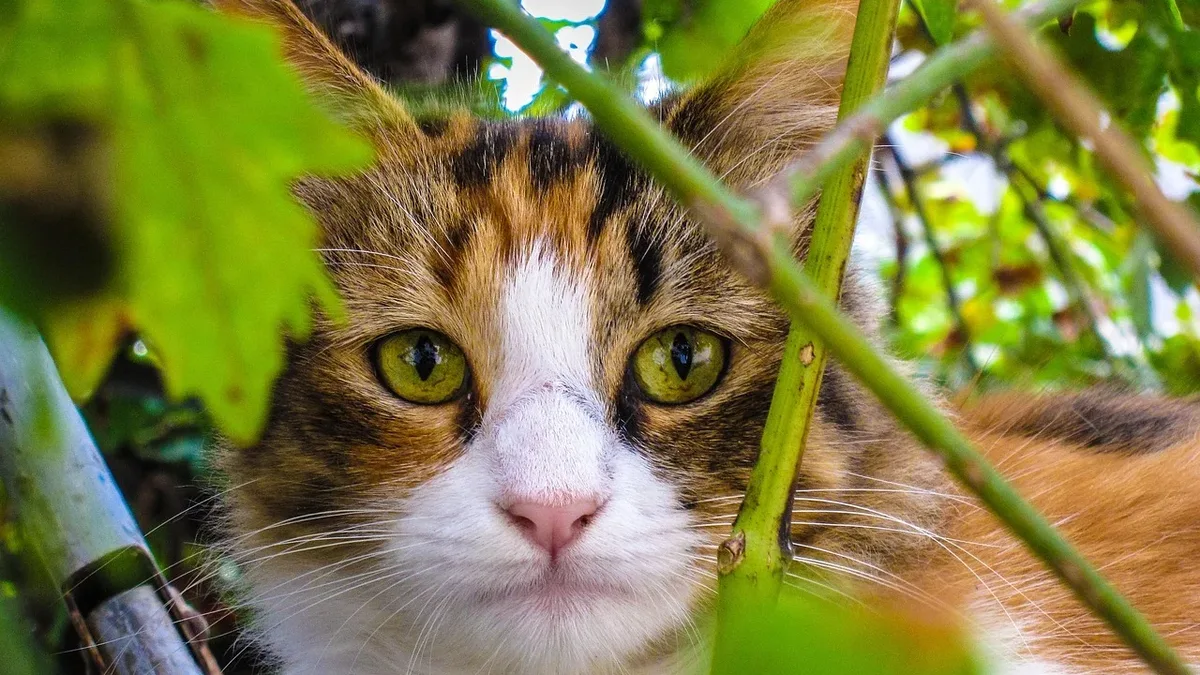
Prebiotics for cats provide nourishment for beneficial gut microbes and may be present in food or added via supplements. Choosing one requires understanding the ingredient, such as FOS (fructooligosaccharides) or inulin, and evaluating the cat's entire feeding routine, including regular food and current supplements.
Prebiotics work by nourishing specific beneficial microbes through microbial fermentation, which can produce compounds like butyrate. It is crucial to distinguish between general fiber, which describes a broad group of dietary components, and prebiotics, which describe a specific beneficial relationship with microbes. The complete formula, including ingredient identity and amount, matters greatly, as not every added fiber produces the same result in every cat.
A study involving eight healthy adult cats evaluated diets containing short-chain FOS, galactooligosaccharides, or both. The supplemented diets increased certain fecal bacterial populations, including Bifidobacterium, and changed some fermentation measures, while fecal dry matter and output did not differ. This supports a focused conclusion that selected ingredients can influence feline gut microbial activity. For example, the product Animal Biome S. boulardii + FOS Powder contains 225 milligrams of GOFOS per scoop alongside a probiotic yeast, offering transparency for owners making a decision.