Supporting Your Dog's Natural Detoxification Systems
A veterinary magazine outlines five practical steps owners can take to support their dog's innate detoxification processes, focusing on water, diet
Your dog's body is constantly working to eliminate harmful substances, relying on organs like the liver, kidneys, digestive system, and skin. According to Animal Wellness Magazine, owners can assist these natural processes through simple daily actions centered on nutrition and environmental management.
Start With Fresh, Clean Water
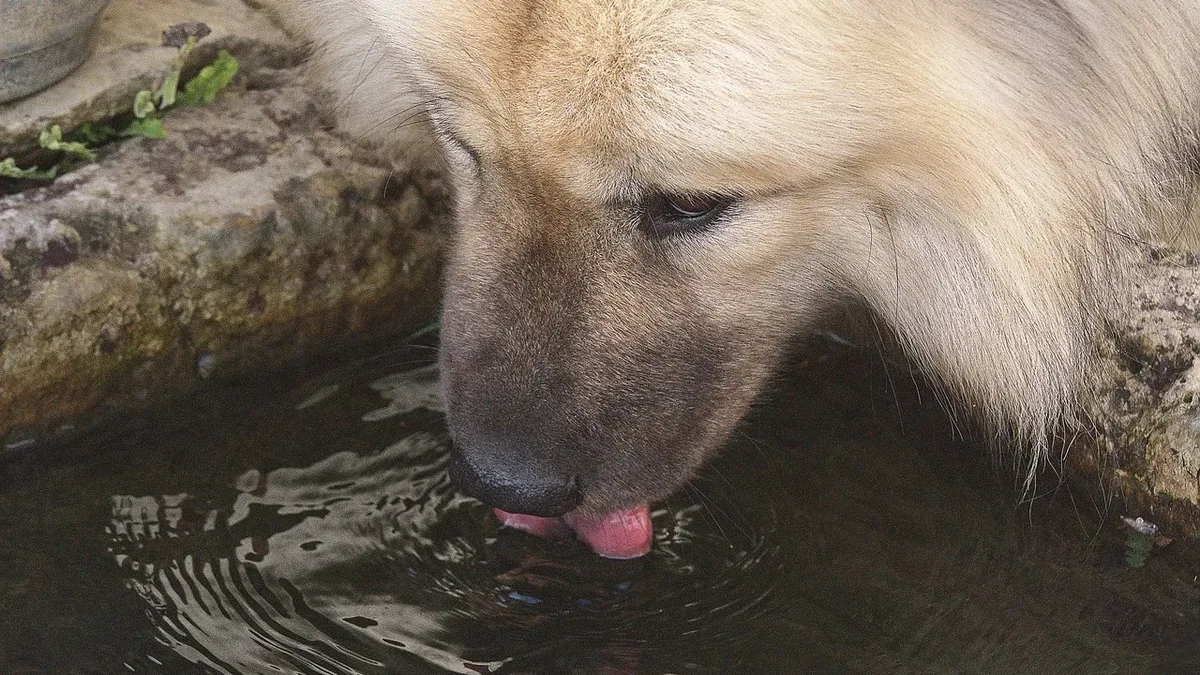
Water is fundamental for detoxification, as the kidneys require it to filter toxins for elimination through urine. The source stresses that dogs must always have access to fresh water. It also warns against allowing dogs to drink from stagnant ponds or puddles, which can contain harmful bacteria like blue-green algae known to seriously impact liver function.
Feed a Balanced, High-Quality Diet
The liver acts as the primary detox center, breaking down harmful materials. A complete and balanced diet provides the proteins, fats, vitamins, and minerals this organ needs to function optimally. For those preparing homemade meals, the magazine advises consulting a veterinary nutritionist to ensure nutritional balance.
Owners can incorporate small amounts of fresh, dog-friendly foods into a commercial diet. These extras should constitute no more than ten percent of the dog's daily intake. Always consult a veterinarian before making significant dietary changes.
Support the Gut With Probiotics
A significant portion of a dog's immune system resides in the gut. A healthy digestive system helps manage toxins and keep harmful bacteria in check. Probiotics, the beneficial bacteria in the digestive tract, are key for balancing the gut microbiome and supporting immune health.
The article specifies that owners should choose probiotics designed specifically for dogs, as human products target different bacterial strains. It recommends looking for products with the National Animal Supplement Council (NASC) quality seal and seeking a veterinarian's recommendation.
Cut Down on Environmental Toxins
Minimizing exposure to harmful substances reduces the burden on a dog's detox systems. Practical steps include carefully reading labels on lawn care products like fertilizers and pesticides, avoiding toxic cocoa-bean mulch, keeping dogs away from concentrated pool chemicals, and storing household chemicals safely out of reach.
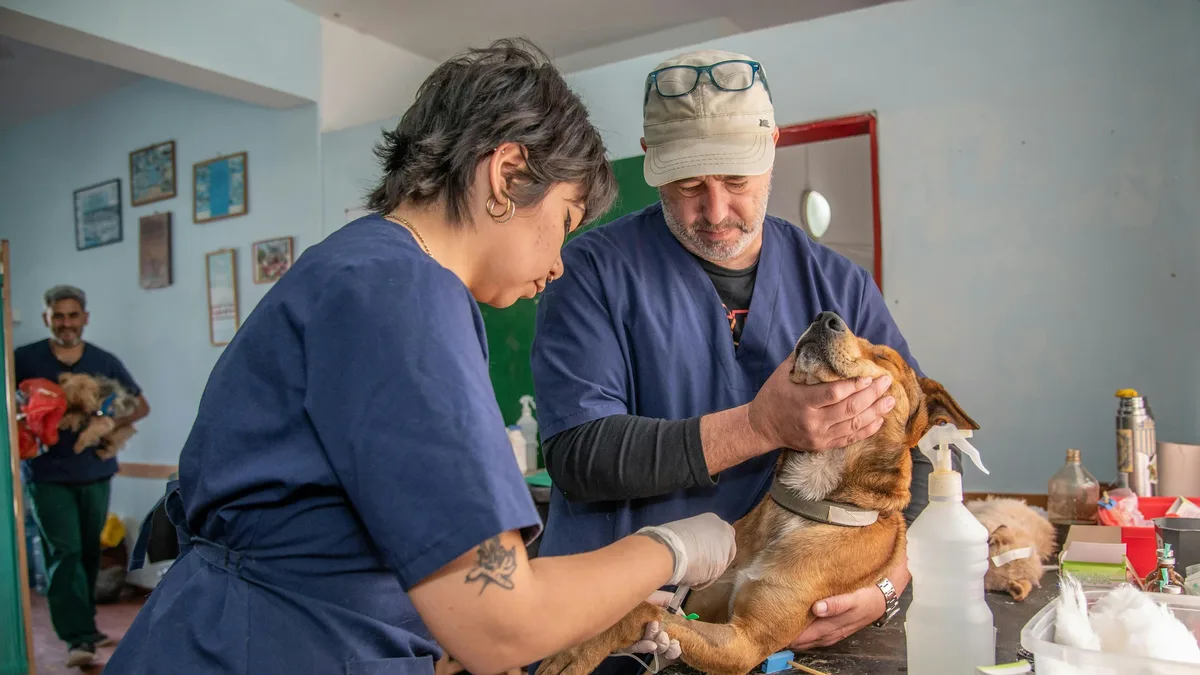
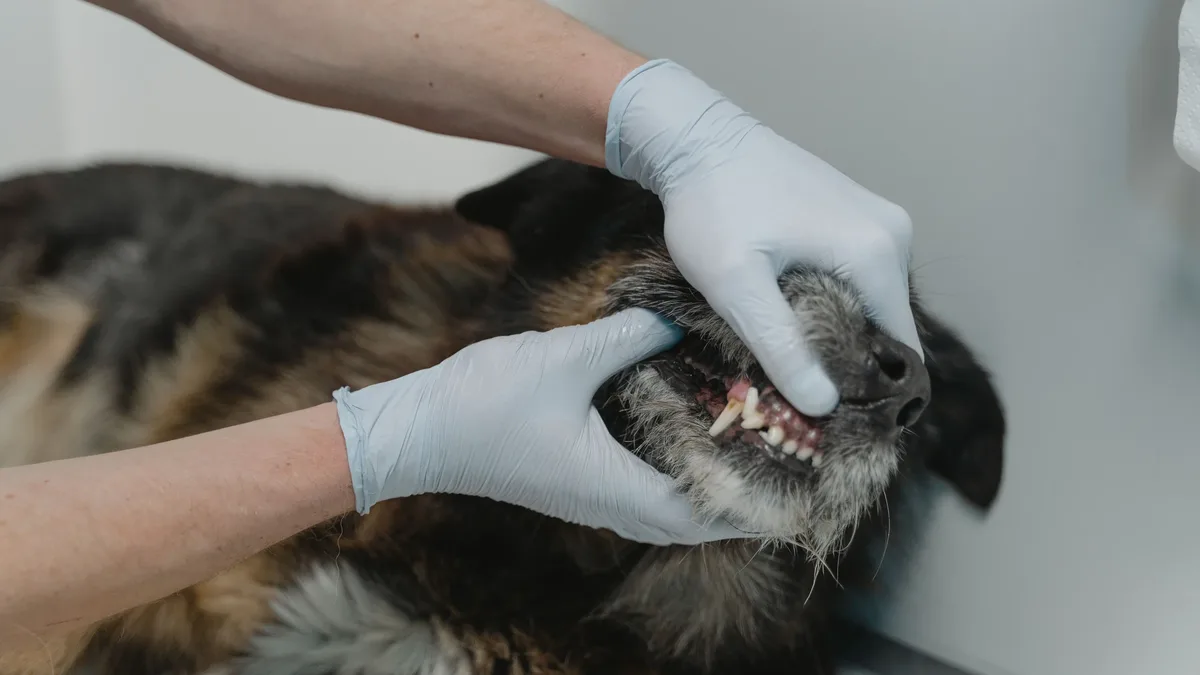
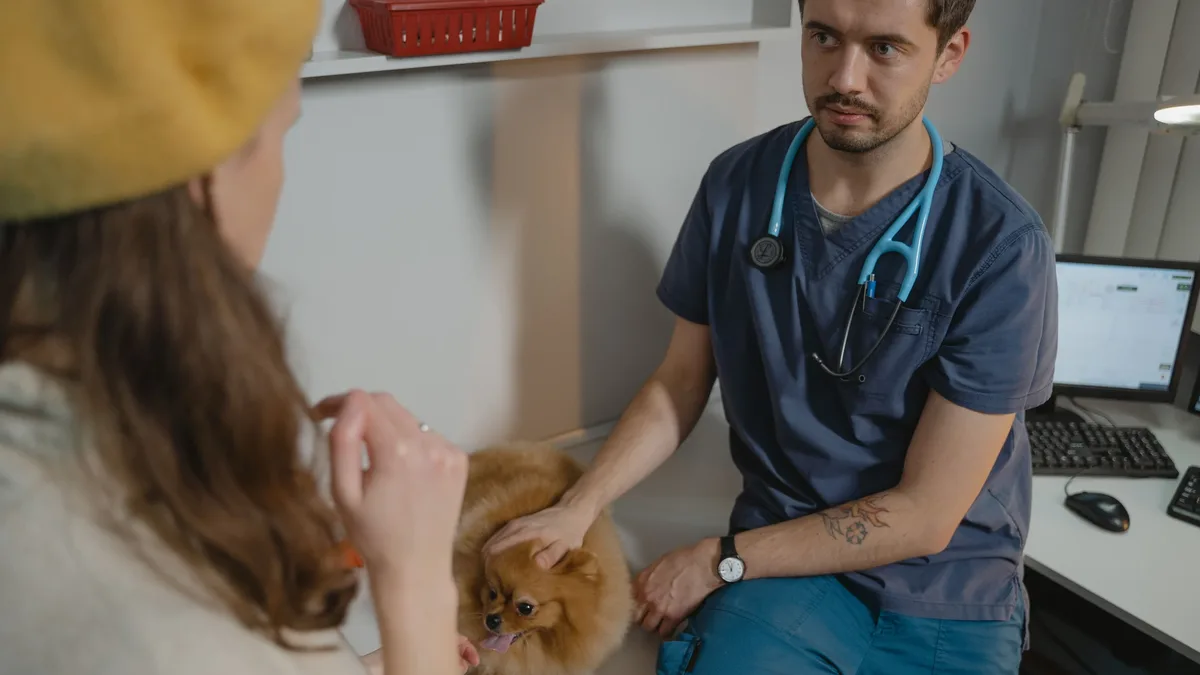
Regular Vet Visits Matter
Supporting detoxification is an ongoing process that benefits from professional oversight. Regular veterinary checkups help monitor the health of vital organs like the liver and kidneys, enabling early intervention if problems arise. The source emphasizes consulting a veterinarian before starting any new supplements, noting that some, like vitamin D, can be harmful in large amounts.
Animal Wellness Magazine answers several common owner questions. It states that while supplements like probiotics and omega-3 fatty acids are generally safe, their efficacy varies and veterinary consultation is essential. Foods to avoid for liver and kidney protection include chocolate, grapes, raisins, and the artificial sweetener xylitol. Signs of impaired detox organ function can include lethargy, decreased appetite, vomiting, excessive thirst, jaundice, and unexpected weight loss, all warranting immediate veterinary attention. The publication notes probiotics are safe for most dogs but should be used under veterinary guidance for pets with seriously weakened immune systems.
Finish on a concrete detail.