Thrive Pet Healthcare VP Advises New Veterinarians
Anthony Coronado, DVM, advises new veterinarians to trust their training, stick to diagnostic basics, and use mentorship programs to build confidence
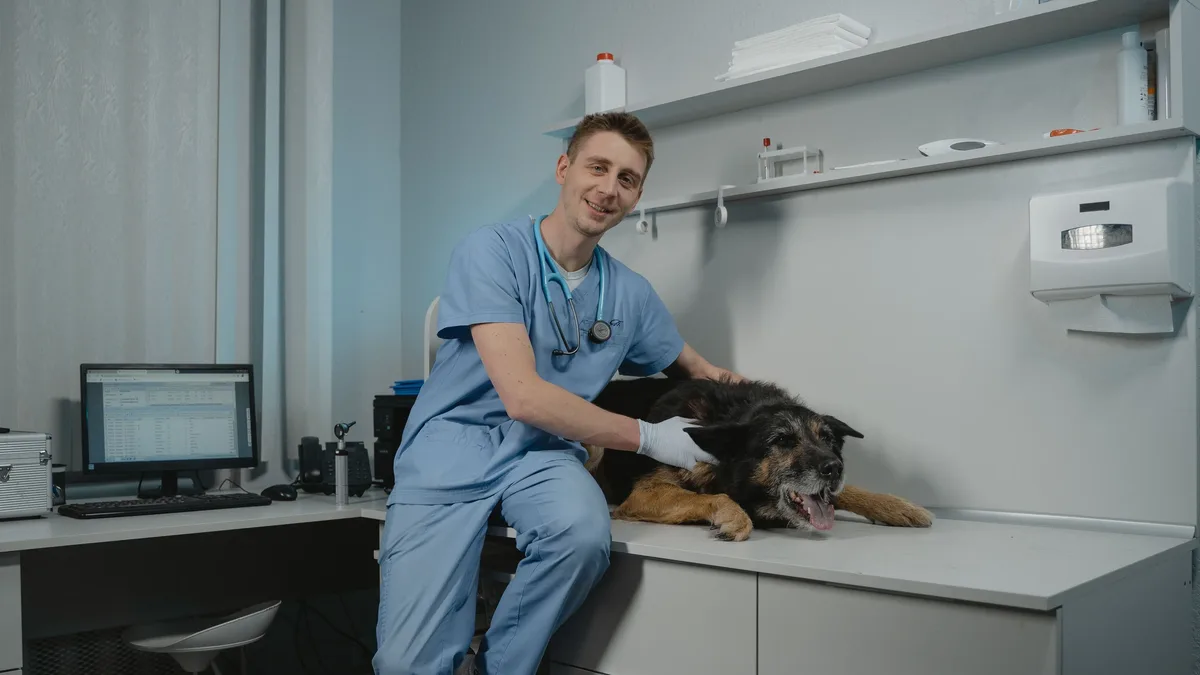
Anthony Coronado, DVM, vice president of emergency services at Thrive Pet Healthcare, has offered advice for new veterinarians. He spoke on The Vet Blast Podcast presented by dvm360, addressing imposter syndrome, clinical mistakes, and client communication.
Coronado states that feeling overwhelmed is normal for new graduates. He emphasizes they have just completed an intensive four-year program, often with additional postgraduate training. The key challenge is learning to access that knowledge quickly under pressure. His advice is to communicate openly with clients. He suggests telling a client, "I understand this is what's going on with Fluffy, and I'm not entirely sure right now what's going on, but the good news is I know how to figure it out, so let's work on this together."
Trusting Foundational Training
Coronado urges new veterinarians to trust their foundational training and stick to basic diagnostic protocols. He warns against cutting corners because clients might not afford comprehensive workups. Skipping steps leads to missed diagnoses. He observes that many referrals to emergency and specialty services happen because referring doctors did not perform basic diagnostics. Adherence to these basics, he argues, separates a mediocre doctor from a good one. Becoming a great doctor involves careful attention to detail and avoiding tunnel vision.
Use Available Resources
New veterinarians should actively use available resources. Coronado recommends leaning on mentors from school, classmates, and colleagues in their practice. He specifically highlights organizational mentorship programs. Thrive Pet Healthcare, for example, runs a doctor mentorship program for first-year veterinarians. Other organizations have similar initiatives. The biggest mistake, according to Coronado, is being afraid to admit when you do not know something. Asking for help prevents clinical trouble.
Avoiding Common Clinical Pitfalls
Coronado cautions against straying from established diagnostic pathways. A common error is jumping to advanced tests promoted by companies while overlooking fundamental examinations. He advocates following the systematic workup taught in veterinary school. Another pitfall is forcing test results to fit a preconceived diagnosis. Coronado reiterates a medical adage: "when you hear hoofbeats, look for horses, not unicorns." Common conditions occur commonly. The clinical picture should guide the diagnosis, not the other way around. The principle is to "treat the pet, not the test." If a test result conflicts with the clinical signs, trust the animal's presentation. Start with the basics and proceed logically.
Coronado's guidance centers on confidence built from rigorous education. He frames clinical practice as an extension of veterinary school training. The conversation was part of a full episode available on podcast platforms.