Telomir-Zn Drug Slows Canine and Human Bone Cancer Cell
An experimental drug called Telomir-Zn inhibited the growth of canine and human osteosarcoma cells in laboratory tests at Ohio State University, prompting
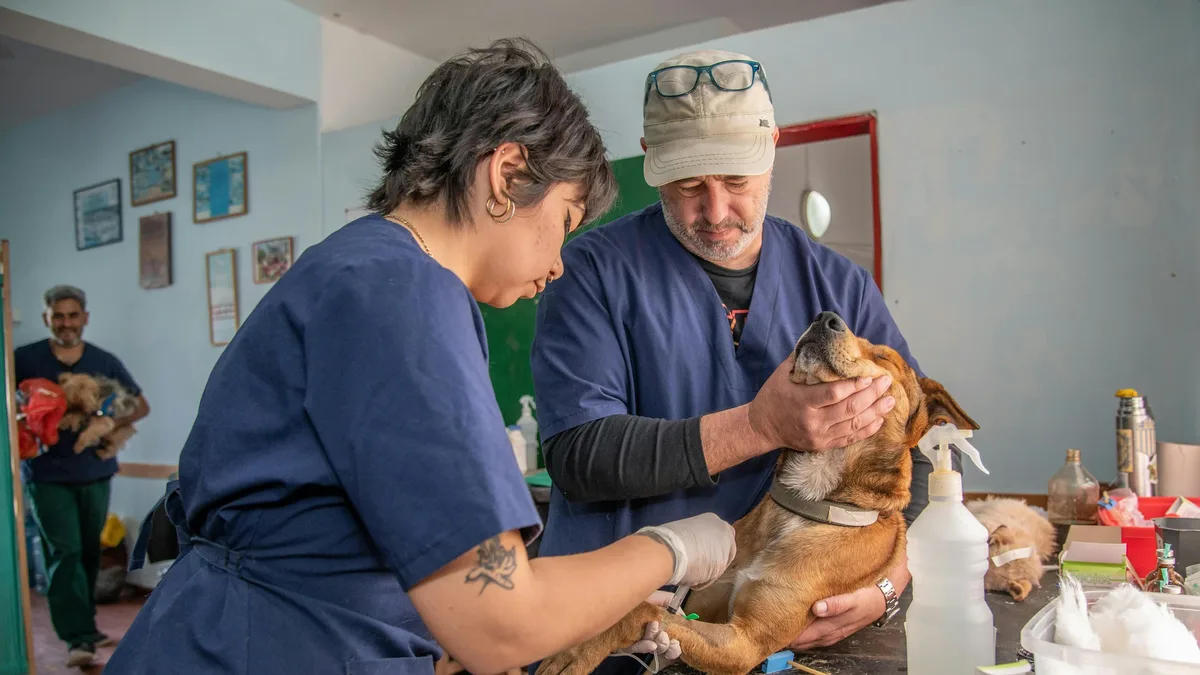
An experimental cancer drug slowed the growth of bone cancer cells from dogs and humans in laboratory tests. The findings, announced by drug developer Telomir Pharmaceuticals, come from preclinical work conducted at The Ohio State University College of Veterinary Medicine.
The drug, named Telomir-Zn, was tested on cancer cells grown in a lab dish. Researchers led by Dr. Shay Bracha, an associate professor of oncology at the college, evaluated its effects on three different osteosarcoma cell lines. One line was from a human, and two were from dogs.
All three cell lines showed inhibited growth at similar low concentrations of the drug. The company's announcement did not specify the exact concentrations used or the degree of growth inhibition observed. It also did not state whether the research has been published or undergone peer review.
"Osteosarcoma in large-breed dogs remains devastating, with limited treatment options and poor outcomes," Dr. Bracha said in the announcement. "These findings suggest Telomir-Zn may offer a meaningful therapeutic opportunity for veterinary patients."
A Compelling Translational Model
Dr. Bracha described the drug's consistent anti-tumor activity across both canine and human cell lines as particularly compelling. This similarity positions dogs as a strong model for translational research, where findings in one species can inform treatment for another.
Telomir cited the genetic, biological, and treatment-response parallels between canine and human osteosarcoma as the rationale for this approach. The company suggested that research in dogs with naturally occurring tumors could accelerate clinical development for both species.
Osteosarcoma is a significant disease in both veterinary and human medicine. In large-breed dogs, it accounts for 80% to 90% of primary bone tumors. In humans, it is the most common primary bone cancer in children and young adults. Survival rates for human patients with metastatic disease remain low, at around 30% after five years.
Current Focus and Drug Mechanism
For now, Telomir's primary clinical focus is on human breast cancer. The U.S. Food and Drug Administration has cleared an investigational new drug application for Telomir-Zn to begin a phase 1/2 trial for advanced triple-negative breast cancer. The company said that program is moving toward initiating trial sites and enrolling patients.
The drug works by targeting how cells regulate iron and copper. According to Telomir, Telomir-Zn disrupts intracellular pools of labile iron and inhibits iron-dependent enzymes called histone demethylases. This action is intended to reverse epigenetic changes associated with cancer.
Path Forward for Canine Studies
The Miami-based company said it is in discussions with Ohio State University about a possible in-vivo efficacy study. Such a study would test the drug in dogs that have naturally developed osteosarcoma. No commitment to the study or a timeline has been announced.
Such research could accelerate clinical development in canine and human osteosarcoma, the company stated. The potential study represents a direct bridge from laboratory cell cultures to living patients, starting with canine ones.