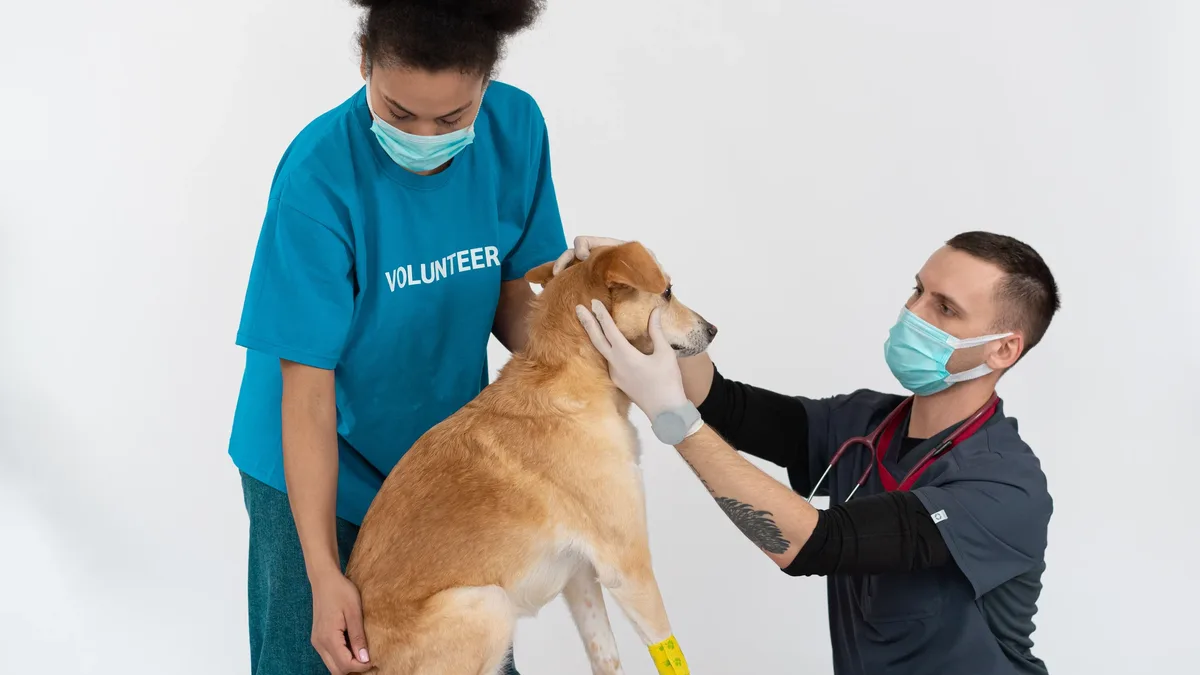
Managing Canine Hip Dysplasia in Dogs
Canine hip dysplasia is a developmental orthopedic condition that affects dogs of all shapes and sizes, causing severe impact on a dog's quality of life. However, with early intervention, proper management, and advancements in veterinary medicine, affected dogs can lead long, happy, and comfortable lives.

Canine hip dysplasia is a condition that affects the coxofemoral joint, causing joint looseness or laxity, which leads to arthritis and pain. According to integrative veterinarian Dr. Randy Aronson, this is a loose joint that causes rubbing, grinding, and non-smooth gliding, resulting in osteoarthritis and significant loss of hip function.
What Causes Hip Dysplasia
The hip is a ball-and-socket joint that includes the head of the femur and the acetabulum. In dogs with dysplasia, these parts do not fit together properly, leading to abnormal wear and tear that damages the cartilage over time. Genetics play a role in canine hip dysplasia, but environment also contributes to the condition. As veterinarian Dr. Feargus McConnell notes, genetics loads the gun, but environment pulls the trigger.
Risk Factors and Breeds Affected
Canine hip dysplasia can affect any dog, including mixed breeds, but medium, large, and giant breeds face the highest risk. Certain small and medium brachycephalic breeds, such as English Bulldogs, French Bulldogs, and Pugs, are also impacted. Additional risk factors for hip dysplasia include rapid growth and overfeeding, obesity, and inappropriate exercise. Rapid growth in puppies places immense stress on developing joints, while every extra pound a dog carries adds unnecessary stress to compromised joints.
Signs, Symptoms, and Treatment Options
Signs and symptoms of canine hip dysplasia often appear gradually, starting in early adolescence and worsening with age. Common clinical signs include a bunny-hopping gait, difficulty getting up or lying down, reluctance to jump, and decreased willingness to exercise. Treatment options for dogs with hip dysplasia depend on the dog's age, size, and severity of the condition. Non-surgical management aims to relieve pain and improve joint function without invasive procedures, while surgical treatments, such as Juvenile Pubic Symphysiodesis, Triple Pelvic Osteotomy, Femoral Head Ostectomy, and Total Hip Replacement, may be necessary for severe cases.
The following table summarizes the treatment options for canine hip dysplasia:
A canine hip dysplasia diagnosis can feel overwhelming, but it is a highly manageable condition. Early diagnosis matters enormously, and with the right care plan, dogs can continue to enjoy a comfortable, active, and joyful life. If you notice your dog slowing down or hesitating during their daily routine, consult your veterinarian right away. With proper care and management, your dog can lead a long, happy, and comfortable life.