Wet, Dry, Raw And Fresh
Origin and history
Wet, Dry, Raw, and Fresh are not a single food but categories describing the primary forms of commercial and homemade animal diets, particularly for dogs and cats. The classification system emerged alongside the commercial pet food industry in the mid-20th century. Dry food, or kibble, was developed first, with early patents for processing methods appearing in the late 1800s and becoming commercially dominant by the 1950s. Wet food in cans became widely available for pets in the post-World War II era, capitalizing on advances in canning technology. The Raw and Fresh categories represent more recent movements, gaining notable traction from the late 1990s onward as alternatives to processed foods. These categories are now standard descriptors used globally by pet owners, veterinarians, and manufacturers to differentiate feeding strategies.
Ingredients
Commercial Dry Food (Kibble) Meat and poultry meals (rendered, dried proteins) Cereal grains (corn, wheat, rice) Animal fats (preserved with antioxidants) Vitamins and minerals (synthetic premix) Flavor enhancers (often digest or broth) Preservatives (mixed tocopherols, ascorbic acid)
Commercial Wet Food (Canned/Pouched) Muscle meats and organ meats (chunks, shreds, or pâté) Water or broth (as primary moisture source) Gelling agents (carrageenan, guar gum) Vitamins and minerals Thickeners (modified starches)
Raw Diets (Commercial or Homemade) Raw muscle meat (often chicken, beef, lamb) Raw organ meats (liver, kidney, heart) Raw edible bones (ground or whole) Vegetables and fruits (often pureed) Supplements (egg, fish oil, vitamin E)
Fresh-Cooked Diets (Commercial or Homemade) Gently cooked lean meats Cooked carbohydrates (sweet potato, brown rice) Cooked vegetables (green beans, carrots) Added oils (flaxseed, coconut oil) Calcium supplement (eggshell powder, bone meal)
How to make it
Making a nutritionally complete homemade raw or fresh diet requires precise formulation; these steps outline the general process for a fresh-cooked diet after consulting a veterinary nutritionist.
- Consult a board-certified veterinary nutritionist to formulate a recipe tailored to your specific animal's needs, life stage, and health status. 2. Source all ingredients from reputable suppliers, ensuring meats are fit for human consumption to minimize bacterial risks. 3. Weigh all ingredients, including meats, carbohydrates, vegetables, and supplements, precisely using a digital kitchen scale according to the formulated recipe. 4. Cook the meat source thoroughly to an internal temperature that eliminates pathogens, typically 165°F (74°C) for poultry. 5. Cook any carbohydrate or vegetable components separately until they are soft and easily digestible. 6. Combine all cooked components in a large container and mix thoroughly to ensure even distribution. 7. Add any required oils, powders, or liquid supplements to the mixture and stir again until fully incorporated. 8. Portion the finished food into daily serving amounts based on your animal's calculated caloric needs. 9. Refrigerate portions for use within 3-4 days or freeze immediately for long-term storage, thawing in the refrigerator before serving.
Variations and serving
Variations within the Wet category include pâté, chunks in gravy, shreds in sauce, and stews, differing in texture and moisture content. Dry food variations range from standard kibble to baked biscuits, air-dried pieces, and formulas with freeze-dried raw coatings. Raw diets vary from commercially prepared frozen patties to homemade ground blends and the "Prey Model" diet featuring whole carcass parts. Fresh diets can be lightly cooked, gently steamed, or prepared using sous-vide methods to preserve nutrients. Serving methods differ drastically, with dry food often left out for free-feeding, while wet, raw, and fresh are typically meal-fed and removed if not consumed promptly. Portion control is critical for all types but is most easily miscalculated with calorie-dense dry food and fat-rich raw diets. Transitioning between categories must be done gradually over 7-10 days to avoid gastrointestinal distress. All food must be served in clean bowls, with raw and fresh diets requiring immediate and thorough cleaning to prevent bacterial cross-contamination.
Pros and cons
A primary pro of dry food is its extreme logistical convenience, including long shelf life, easy storage, lower cost per calorie, and suitability for automatic feeders. The main con of dry food is its low moisture content, which can be a detriment for animals with urinary or kidney issues, and its high carbohydrate load, which is unsuitable for some individuals. Wet food offers high palatability and hydration but is expensive per calorie, contributes to dental plaque if not supplemented with dental care, and generates significant packaging waste. Raw diets can promote excellent coat condition and lean body mass but carry a high risk of bacterial contamination for both the pet and the household, and are consistently condemned by public health agencies for this reason. Fresh-cooked diets eliminate pathogen concerns but are exceptionally time-consuming and costly to prepare correctly, with a high likelihood of nutritional imbalance if not formulated by a specialist. A common mistake across all types, especially with raw and fresh, is assuming "natural" equals "complete," leading to severe nutrient deficiencies over months or years.
Who it suits
Dry food best suits owners with tight budgets, limited storage space, or unpredictable schedules who need to use automatic feeders or board their animals frequently. Wet food is often necessary for animals with specific medical needs like chronic kidney disease, or for fussy eaters who require strong aroma and moisture to stimulate appetite. A carefully managed raw diet may suit a dedicated, informed owner who is fastidious about food safety and whose animal thrives on it, but it is generally ill-advised for households with immunocompromised individuals. Fresh-cooked diets are a viable option for owners who have the time, funds, and commitment to work with a veterinary nutritionist, often sought for animals with multiple severe food allergies or sensitivities. The Wet and Dry categories suit first-time owners or those who prioritize convenience and scientific backing from large-scale feeding trials. No single category suits all animals; the choice depends heavily on the individual animal's health, the owner's lifestyle, resources, and risk tolerance.
Latest Wet, Dry, Raw And Fresh news
Latest reporting

IDEXX and The Farmer's Dog Make Major September Acquisitions
IDEXX Laboratories acquired AI software firm CoVetAI, while fresh dog food company The Farmer's Dog purchased pet wellness brand Woof in separate...

Veterinarian Explains Fresh Dog Food Standards and Benefits
A veterinarian clarifies the definition of human-grade fresh food and details how its digestibility and portioned meals can aid in pet weight...
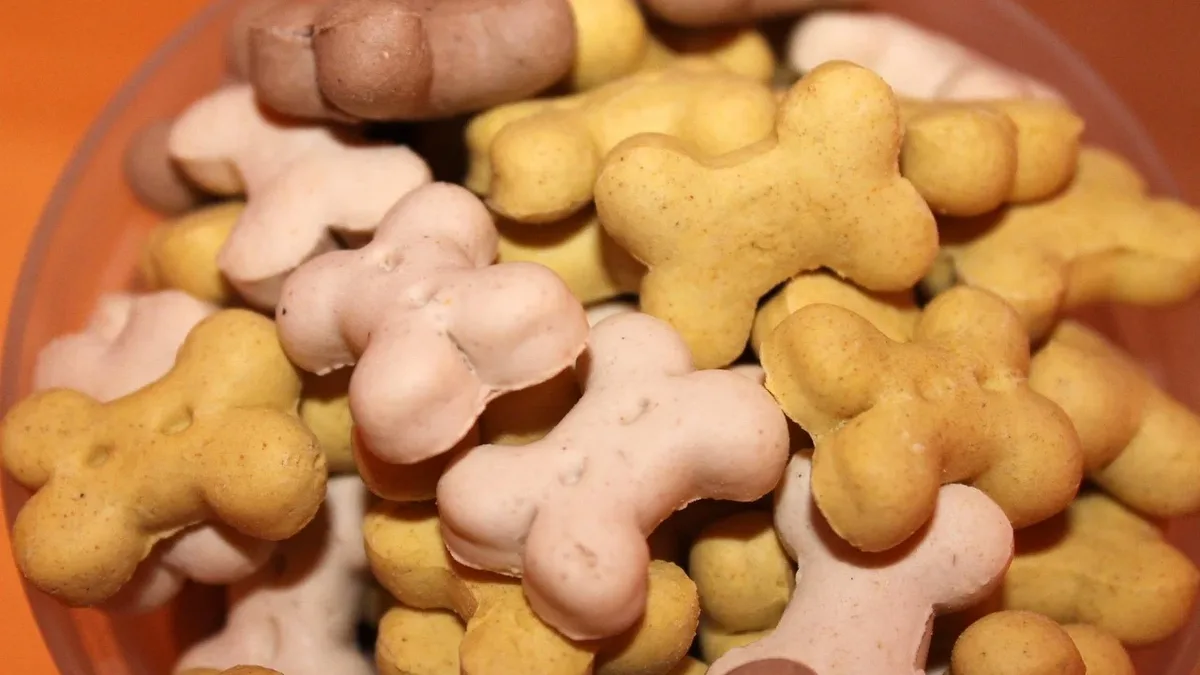
Dog Gut Health: Natural Ways to Support It
An article from Animal Wellness Magazine outlines four natural dietary additions-probiotics, prebiotics, fresh produce, and omega-3s-to support a...
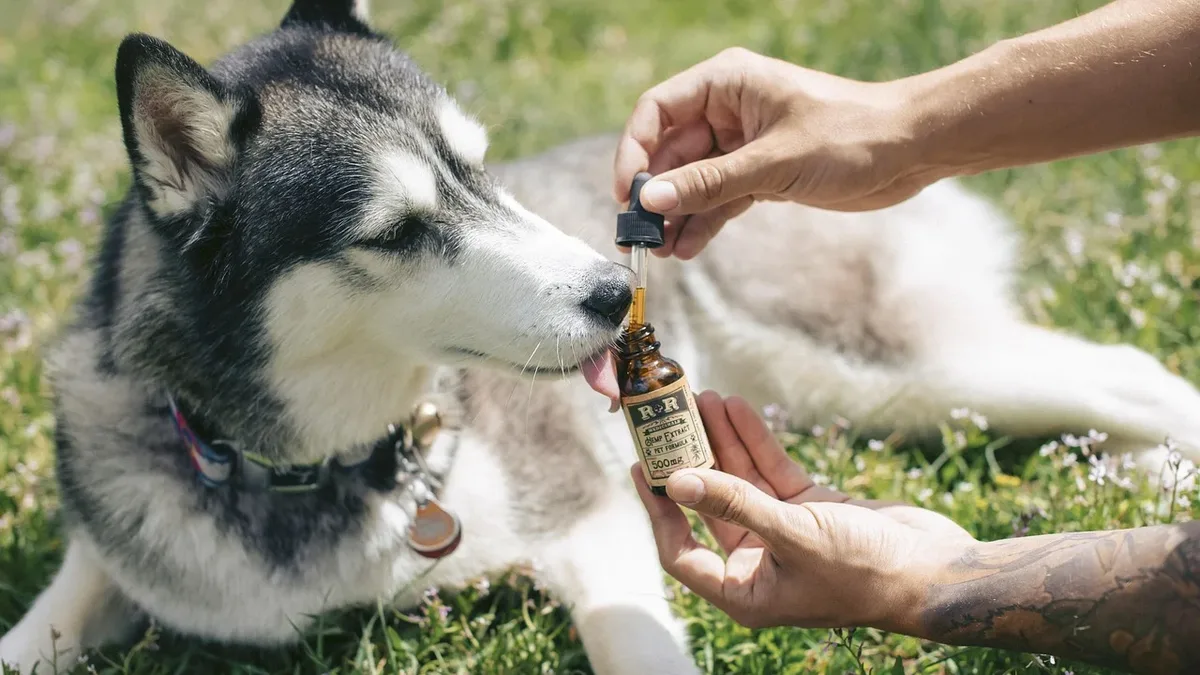
Dog Breath Spray: Plant-Based Solution
Dog owners can use a plant-based spray to help reduce their pet's halitosis. The spray can be made with 1 cup of distilled water, a tablespoon of...
UK Pet Food Company Recalls Fresh Dog Meals After Vision Loss Reports
UK-based pet food company recalls fresh dog meals due to reports of sudden vision loss in dogs.

UK Pet Food Company Recalls Fresh Dog Meals Due to Vision Loss Concerns
Years, a UK-based pet food company, has issued a voluntary recall of all its fresh dog meals after reports of dogs developing a sudden eye condition...