UK Pet Food Company Recalls Fresh Dog Meals After Vision Loss Reports
UK-based pet food company recalls fresh dog meals due to reports of sudden vision loss in dogs.
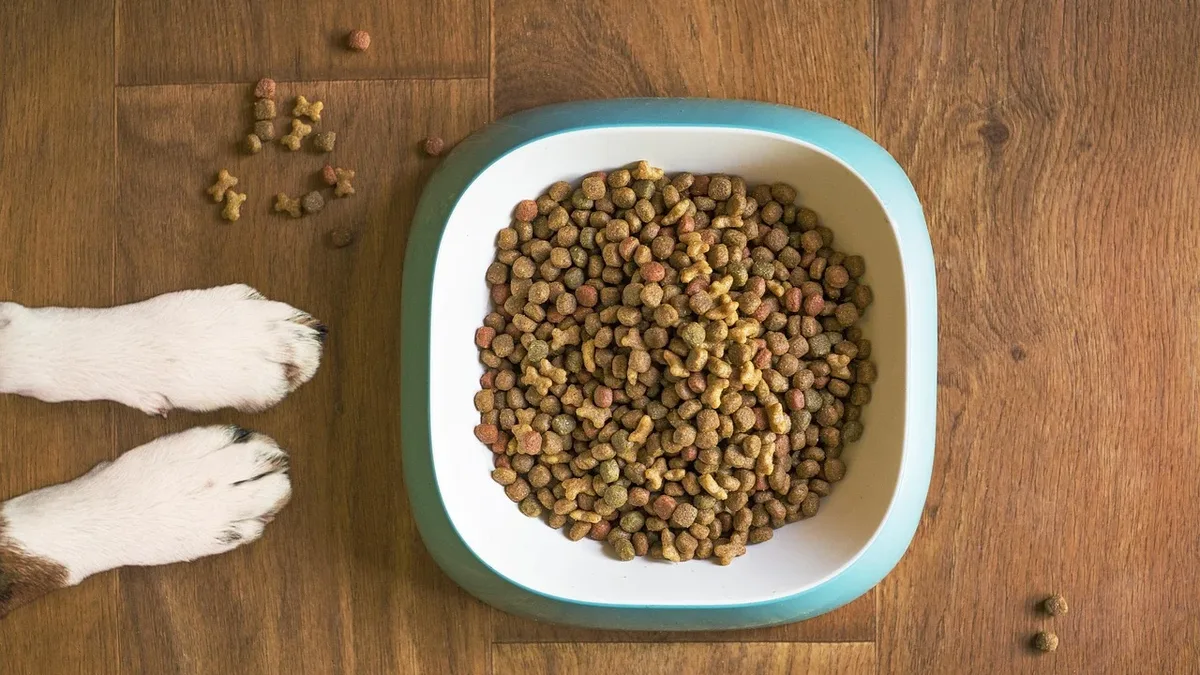
Years, a UK-based pet food company, has voluntarily recalled all of its fresh dog meals, except its Chef’s Collection, after receiving reports of dogs developing sudden bilateral keratoconjunctivitis sicca (KCS), with some cases progressing to sight loss. The company received 57 suspected cases by August 16, which rose to 192 by August 18.
Pet Food Recall Details
The recall was initiated after the company began receiving reports in late July. Years is investigating buckwheat, which was added to its recipes several months ago, as a potential contributing factor. Possible contamination was identified in its buckwheat supply, but causation has not been established.
KCS occurs when tear production drops significantly, leaving the eyes dry, irritated and painful. Signs can include squinting, excessive blinking, pawing at the eyes, thick discharge, redness and light sensitivity. Years is advising owners to stop feeding the recalled meals, whether or not their dogs are showing symptoms.
FDA Authorization for Simparica Trio
The FDA has issued an emergency use authorization (EUA) for sarolaner, moxidectin and pyrantel chewable tablets, marketed as Simparica Trio, to treat New World screwworm myiasis in eligible dogs and puppies. The authorization is limited to treatment and does not cover prevention of New World screwworm.
New Technology for Plasma Storage
According to Kelly Mann, DVM, MS, MSS, DACVR, vice president of veterinary solutions at Mantel Technologies, canine freeze-dried plasma (cFDP) offers an alternative to frozen storage. Unlike traditional frozen plasma, cFDP does not require a freezer, thawing or a cold chain, making plasma support more accessible in emergencies. The product was developed by Mantel Technologies, and Mann suggests it could be administered as an initial unit of plasma while additional blood products and other interventions are being arranged.
The FDA says most dogs in the US currently face a low risk of exposure to New World screwworm, with confirmed detections limited to areas of Texas and New Mexico. Veterinarians in affected areas, or those treating dogs that have recently traveled south of the US border, are encouraged to remain alert. The recall and new technologies are significant developments in the field of veterinary care.