Dog Breath Spray: Plant-Based Solution
Dog owners can use a plant-based spray to help reduce their pet's halitosis. The spray can be made with 1 cup of distilled water, a tablespoon of fresh parsley, and half a teaspoon of coconut oil.
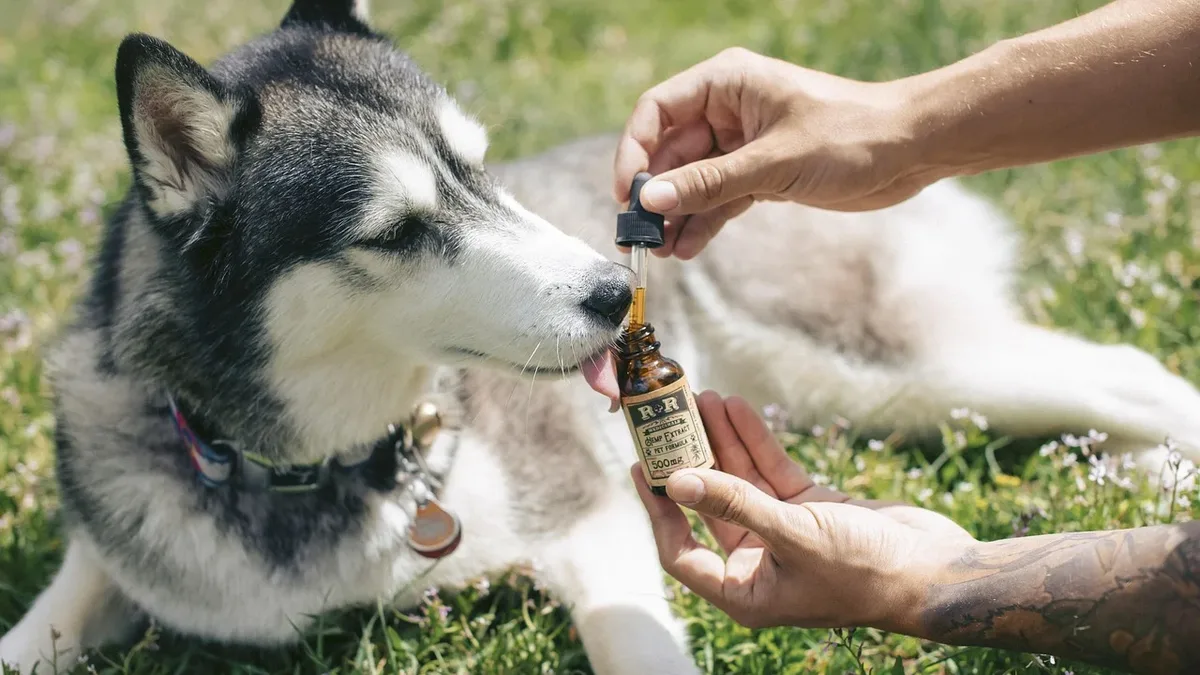
Dog owners can use a plant-based spray to help reduce their pet's halitosis. The spray can be made with 1 cup of distilled water, a tablespoon of fresh parsley, and half a teaspoon of coconut oil.
Why Bad Breath Happens
Bad breath in dogs usually starts with plaque, a sticky layer of bacteria that builds up on teeth. Within 24 hours, plaque can harden into tartar. Over time, this leads to gum inflammation and more serious dental disease. Freshening breath is therefore a sign of overall oral health.
Common Plant Ingredients
Several plant-based ingredients are popular for DIY oral sprays:
- Parsley - known for its chlorophyll, which may neutralise odors.
- Spearmint - used in small amounts for its fresh scent; peppermint oil is harmful to dogs.
- Coconut oil - has antimicrobial properties and is sometimes added to sprays.
- Calendula - used for its gentle, soothing effect on gum tissue.
For more on canine oral health, see our stats page.
DIY Spray Recipe
**Ingredients**
- 1 cup distilled water
- 1 tablespoon finely chopped fresh parsley
- ½ teaspoon coconut oil
Steps 1. Boil the water and add the parsley. 2. Let it steep for about 10 minutes. 3. Cool completely. 4. Strain out the parsley. 5. Add coconut oil and mix. 6. Pour into a clean spray bottle.
Spray lightly into the dog’s mouth or onto teeth once daily.
Important Reminders
A DIY spray is a natural addition, not a replacement for proper dental care. Key points:
- Brushing remains the most effective way to prevent dental disease.
- Look for products approved by the Veterinary Oral Health Council (VOHC).
- Water additives, oral gels, and dental chews can also support oral health.
- Always verify that every ingredient is safe for dogs.
- Persistent bad breath may signal kidney or liver disease.
For recommended products, check our squad section.
When to See a Veterinarian
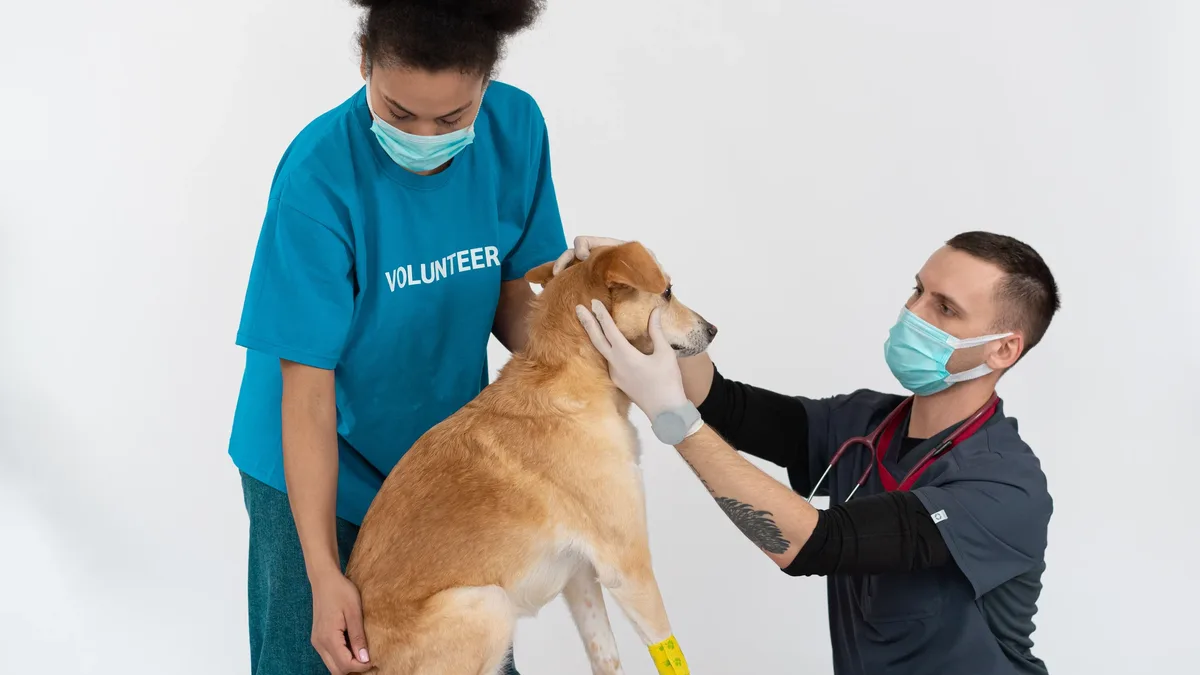
If a dog’s bad breath is strong and persistent, don’t rely solely on home remedies. Contact a veterinarian if you also notice:
- Difficulty eating
- Bleeding or swelling in the mouth
- Excessive drooling
- Nasal discharge
Your veterinarian is the best resource for keeping your dog’s mouth-and whole body-healthy. Always consult a vet before adding new products to your pet’s routine.
Animal Wellness is North America’s top natural health and lifestyle magazine for dogs and cats, with a readership of over one million each year. It features articles by renowned experts on diet, health, training, fitness, and emotional well-being.
For product comparisons, see our fixtures section.