Dr Becvarova's Study Shows Therapeutic Diet Improves Cats with Malignancies
A 70-day study of 39 cats with malignancies found a therapeutic dry diet improved body weight, body condition score, muscle condition score and quality of life, with owners reporting stable pain levels and consistent eating enthusiasm.
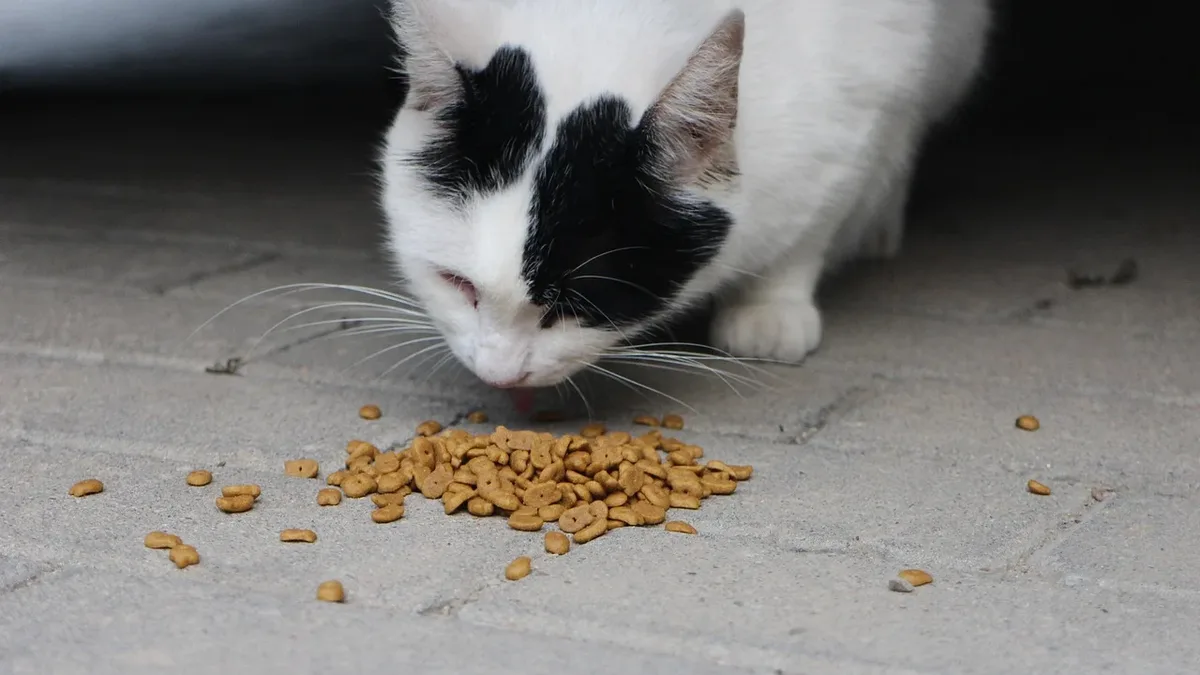
Dr Becvarova's Study Shows Therapeutic Diet Improves Cats with Malignancies
A 70-day study of 39 client-owned cats with various malignancies found a therapeutic dry diet improved body weight, body condition score, muscle condition score and quality of life, with owners reporting stable pain levels and consistent eating enthusiasm.
Study Design and Objectives
The study was conducted over a 70-day period and included 39 client-owned cats with various types of malignancies. Thirteen cats successfully completed the entire 70-day feeding period. The cat owners were provided with the study food free of charge in white (i.e. not branded) bags, along with scales to measure food intake and body weight. Data were collected through a combination of owner-reported assessments via a study app and video consultations with veterinarians. The primary goal was to demonstrate that therapeutic nutrition could provide measurable benefits for cats with malignancies. Specifically, we sought to assess the impact of therapeutic nutrition as a component of malignancy management protocol on indices of QoL, body weight (BW), body condition score (BCS), muscle condition score (MCS), eating enthusiasm, stool quality, and facial expression of pain (measured using the Feline Grimace Scale).
Key Results
The study revealed significant improvements in several clinical parameters, demonstrating the positive impact of the therapeutic diet on the cats’ physical condition and overall well-being: Body weight and body condition score. Cats showed a significant increase in BW by Day 42 (0.15 kg, P=0.02) and further by Day 70 (0.20 kg, P<0.01). BCS also improved significantly, increasing by 0.70 points on a 9-point scale by Day 70 (P<0.01). Muscle condition score. The average MCS of the population showed significant improvement by Day 42 (P<0.01) and continued to show positive trends by Day 70. At the start of the study, the study population exhibited mild muscle loss, but by the end of the study, their MCS showed a shift toward normal muscle mass. Quality of life. Owners reported statistically significant improvements in QoL related to clinical signs and healthy behaviors on both Day 42 (P≤0.05) and Day 70 (P<0.01). Overall QoL scores also improved significantly by the end of the study (P<0.01). Eating enthusiasm and pain levels. Cats maintained consistent eating enthusiasm throughout the study, with no significant changes in their grimace scores, indicating stable pain levels or the absence of increased discomfort. These findings provide evidence that a therapeutic diet can improve the quality of life for cats with malignancies, offering physical benefits.
Practical Implementation and Misconceptions
For busy veterinary clinics, integrating nutritional support into malignancy care requires a team effort, but it is essential to improve the quality of life for cats with malignancies. Veterinary technicians also play a vital role in discussing nutrition with clients, especially when veterinarians are pressed for time. Regular nutritional assessments should be part of every visit, with a focus on BCS, MCS, and BW. Educating pet parents about the importance of nutrition in cancer care is equally critical. When owners understand how proper nutrition can improve their cat’s quality of life, they are more likely to adhere to dietary recommendations. This, in turn, can enhance the human-animal bond and provide owners with peace of mind during a difficult time. Addressing misconceptions There are several common misconceptions about therapeutic diets for cats with malignancies that should be addressed: “Reduced-Carbohydrate Diets Starve Malignancies Cells”: This outdated and unsubstantiated belief suggests that restricting carbohydrates can deprive malignancies cells of glucose, their primary energy source. However, research shows that many malignancies can adapt to utilize other energy sources, such as fatty acids and amino acids. Instead, our nutritional focus should be on providing a balanced diet with sufficient protein, fat, complex carbohydrates with lower Postprandial Glycemic Response and essential nutrients. “Homemade or Raw Meat Based Diets Are Better”: W
Dr. Becvarova's study showed that a therapeutic diet demonstrated significant improvement in body weight, body condition score, and muscle condition scores in cats with malignancies, over a 70-day period. Photo courtesy Hill's Pet Nutrition Inc. Dr. Iveta Becvarova during her presentation at the 2025 Hill's Global Symposium in Phoenix, Ariz. Photo courtesy Hill's Pet Nutrition Inc. The role of nutrition in enhancing quality of life Malignancies and their treatments can significantly impair a cat’s QoL.1 Clinical signs such as anorexia, vomiting, diarrhea, weight loss, and muscle wasting are common and can lead to a decline in physical health. These signs are not just side effects of the disease but are also useful prognostic indicators. Studies have shown weight loss in cats with lymphoma within the first month of treatment is associated with poorer outcomes and shorter survival times.6 Nutritional support is critical for maintaining body weight, BCS, and MCS, all of which are key indicators of a cat’s overall health and prognosis. Cats with neoplasia with optimal BCS lived significantly longer compared to those with poor nutritional status.7 For pet parents, ensuring their cat is comfortable and well-nourished provides peace of mind and reduces the guilt often associated with a malignancy diagnosis. Seeing their cat eat, engage in activities, and maintain a semblance of normalcy can help owners focus on creating meaningful moments with their pets during this challenging time. Photo courtesy Hill's Pet Nutrition Inc. Nutritional strategies for cats with malignancies A therapeutic diet designed for many cats with malignancies should meet several key nutritional criteria: High energy density. Cats with malignancies often experience fluctuating appetites. High-energy foods allow them to meet their caloric needs with smaller portions, reducing the risk of malnutrition. High-quality protein. Essential amino acids, including taurine and L-carnitine, are critical for maintaining muscle mass and supporting overall health. Omega-3 fatty acids. EPA and DHA from fish oil can help manage inflammation and interrupt the cycle of muscle wasting driven by disease associated cytokines. Palatability and digestibility. Cats are more likely to eat foods that are highly palatable and easy to digest, so allowing pet parents some flexibility is key for optimal nutrition such as offering a variety of textures and flavors, warming food to enhance aroma, and adding palatable toppers like low-sodium broth.In our study, the diet demonstrated significant improvements in body weight, BCS, and MCS in cats with malignancies over a 70-day period.2 Owners also reported improvements in their cats’ quality of life, including clinical signs and healthy behaviors. For more details see fixtures and squad and stats.