Eco-friendly pet care tips for dogs and cats
A vet’s guide advises avoiding plastic, using organic food, natural flea control, and chemical-free homes and yards for sustainable pet care.

Eco-friendly dog and cat care focuses on choices that support animal health while reducing environmental impact. This approach covers food, toys, healthcare, and household products.
Avoid plastic products whenever possible. Plastics and their associated chemicals can disrupt bodily functions and contribute to cancer, reproductive issues, and neurological disorders such as aggression, anxiety, and impaired memory. Microplastics and nanoplastics now contaminate nearly every environment and are found in human and animal bodies, where they contribute to inflammation. Toys made from recycled plastic may still retain toxic chemicals, so natural materials like hemp are preferable. Use stainless steel bowls for food and water.
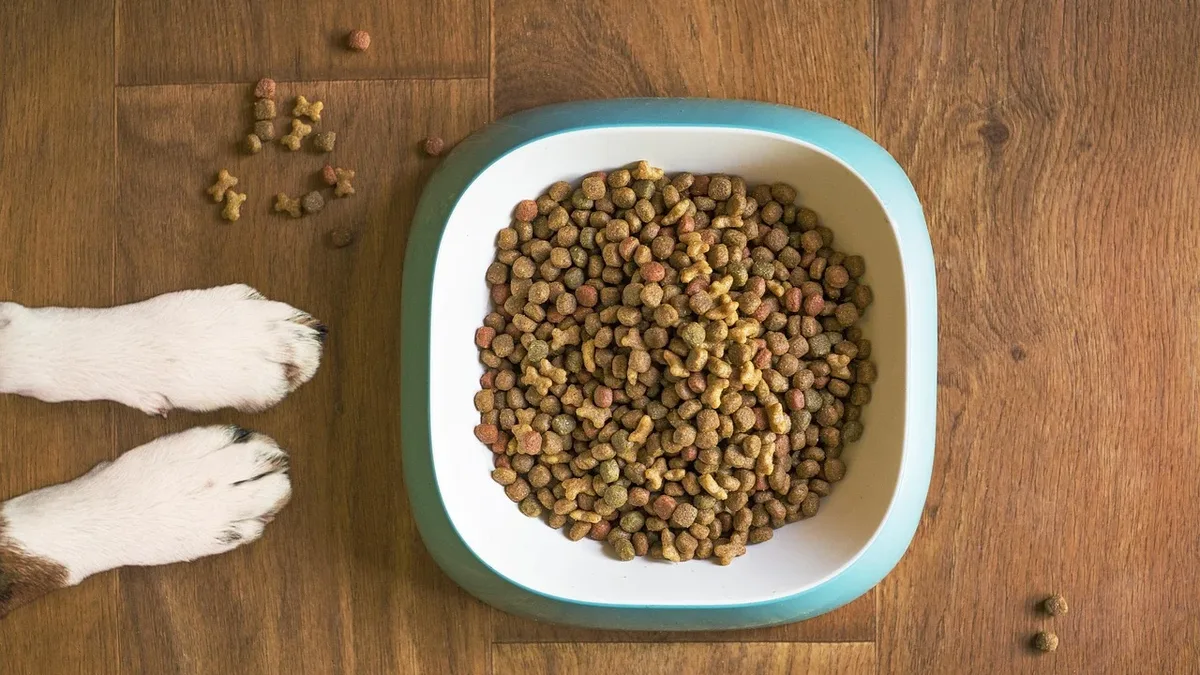
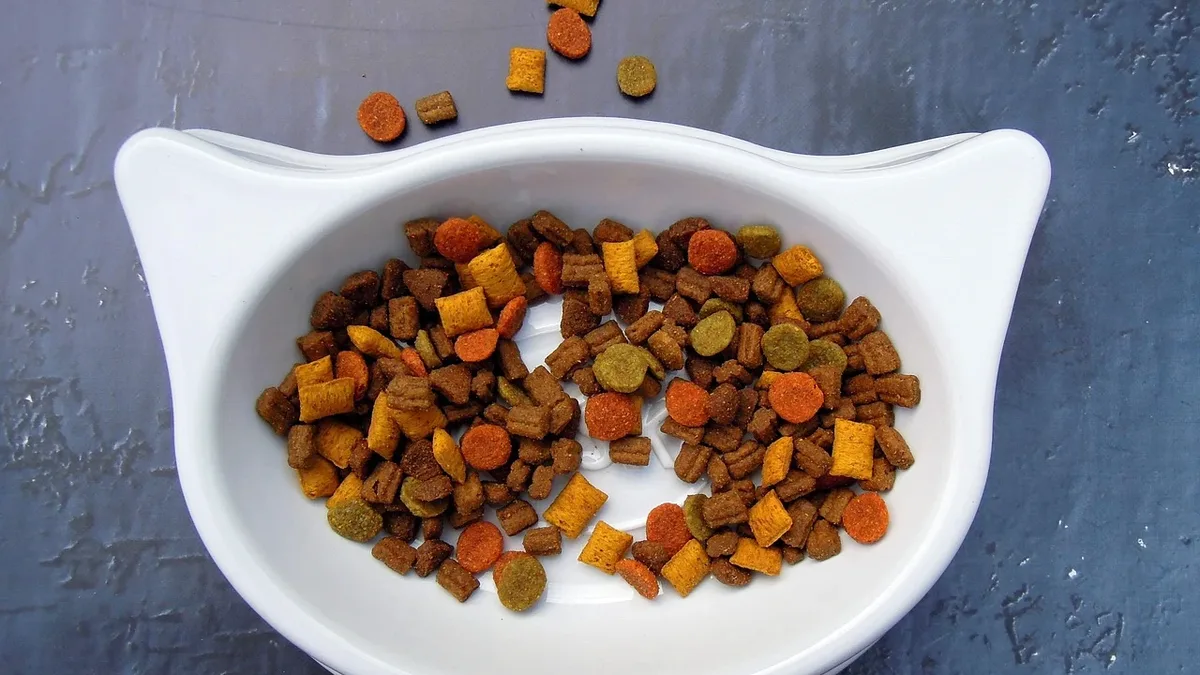
Make healthy, sustainable pet food choices. How farms raise meat and produce affects both pet health and the environment. A recent review of over 300 studies showed that organic diets offer 17% to 60% higher levels of antioxidants and contain four times fewer pesticides than conventional options. When buying pet food, look for local ingredients, humanely and cleanly raised meat sources, minimal processing, and less or more environmentally friendly packaging. Raw or lightly cooked ingredients are also recommended.
Additional food suggestions include growing your own veggies or herbs, even on an apartment balcony, and buying local from farms or markets while asking how products are grown or raised. If organic produce is inaccessible or unaffordable, refer to the Environmental Working Group’s list of common non-organic fruits and vegetables with the highest and lowest chemical loads. Choose produce with the least pesticide residues. A specific note warns that non-organic blueberries are on the dirty dozen list, so wild-picked blueberries are a better choice than commercially grown ones. Feeding pets the same quality food as the family, even just a few times a week, is encouraged.
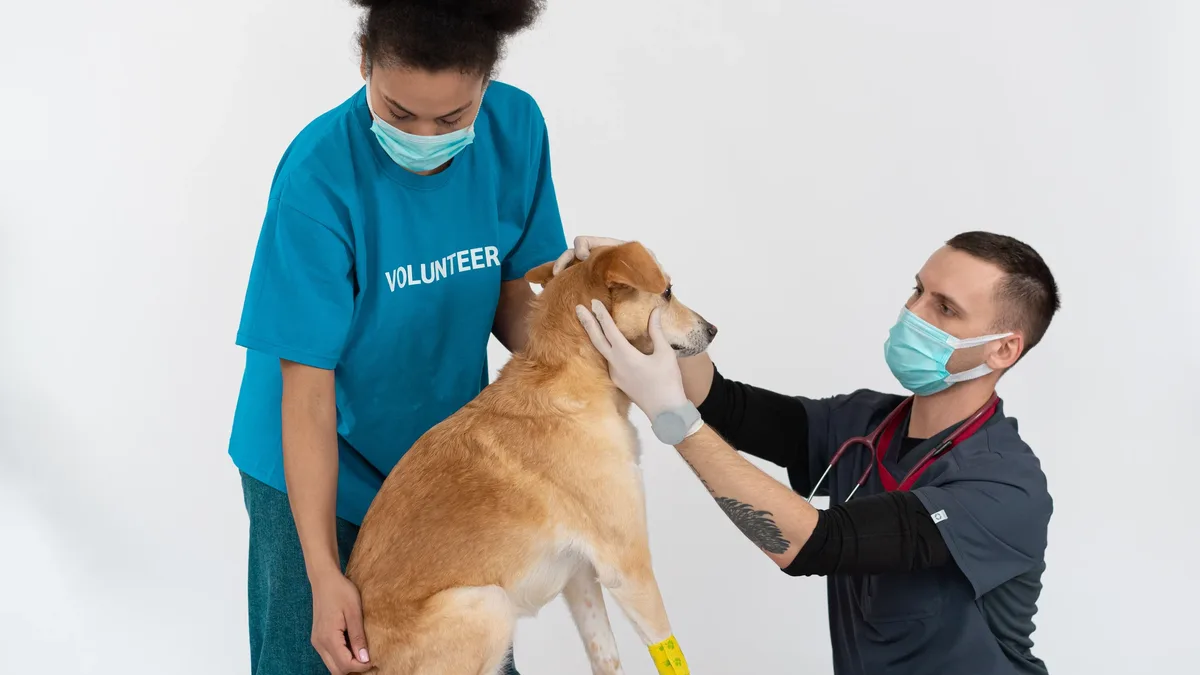
Opt for alternative healthcare options whenever possible. Work with an integrative or holistic veterinarian to avoid over-vaccination and minimize conventional medication use, which benefits the animal and the environment by reducing hazardous waste from syringes and containers. Avoid chemical flea and tick repellents, which are toxic to pets and harmful to the environment. Healthy animals rarely get fleas, and repellents made from high-quality essential oils can effectively deter pests. Use a flea comb with a non-plastic handle and perform tick checks after every outing. Hands-on and energy healing techniques such as massage, acupressure, Reiki, T-Touch, and Tui Na, done with love and intention, can support both animal and environmental health. Other lower-impact treatments include homeopathic medicines, vibrational essences, and herbal medicine, with practitioners such as veterinary homeopaths, chiropractors, osteopaths, and acupuncturists potentially reducing the need for conventional medications.
Take a look at your house and yard. Chemicals used in homes and yards adversely affect animals, people, and the planet. Switch to non-toxic household cleaners and pest treatments, non-VOC paints, natural fibers, and filtering devices for drinking water and indoor air. Lawns are a significant environmental drain; a naturalized yard with herbs and non-toxic plants is healthier than a grass monoculture, requiring minimal watering, no mowing, and no fertilizers or pesticides while providing habitat for birds, insects, and other wildlife. Applying nematodes once a year offers environmentally friendly outdoor flea and tick control.
Additional earth-friendly pet care tips include making toys from old fabric, rope, or t-shirts, and providing cats with feather teasers or cardboard boxes. Choose bedding made from hemp or other natural fabrics from sustainable companies, and reuse old pillows and blankets. Always pick up dog waste and dispose of it responsibly, noting that even compostable poop bags may contain microplastics and do not degrade well, so they should not be left in the environment. Consider using or making a dog or cat poop composter, with the compost usable on non-edible plants. Select eco-friendly cat litter and ask companies about their sourcing practices.
The Environmental Working Group recently analyzed 47 non-organic fruits and vegetables for chemical content. The least contaminated options are pineapples, sweet corn (fresh and frozen), avocados, papaya, sweet peas (frozen), asparagus, cabbage, cauliflower, watermelon, mangoes, bananas, carrots, mushrooms, and kiwi fruit. The most contaminated are spinach, kale, collard and mustard greens, strawberries, nectarines, peaches, cherries, apples, blackberries, pears, potatoes, and commercial blueberries. While fruits and vegetables like kale, spinach, apples, and blueberries are rich in antioxidants and nutrients, their high chemical load does not mean they should be avoided entirely, instead, choose organic options to reduce pesticide exposure.