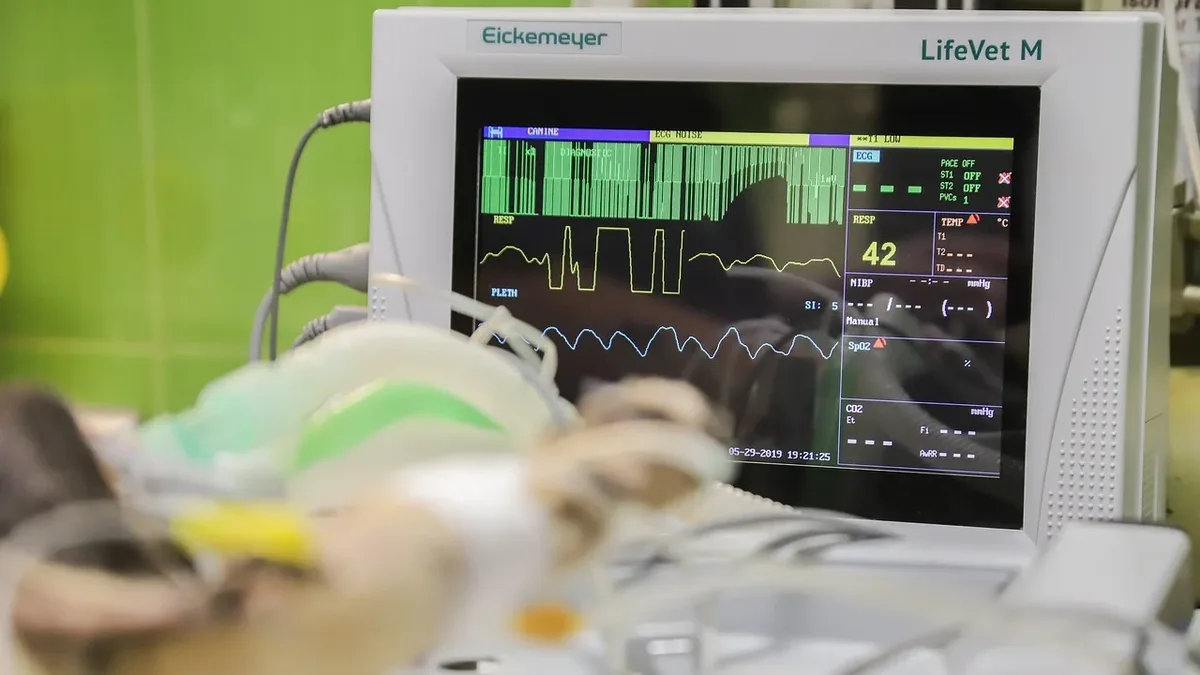
Dog Health: Guide to Hypos and Hypers
A guide to dog health issues called 'hypos' (too little) and 'hypers' (too much) explains symptoms and stresses the need for a vet.
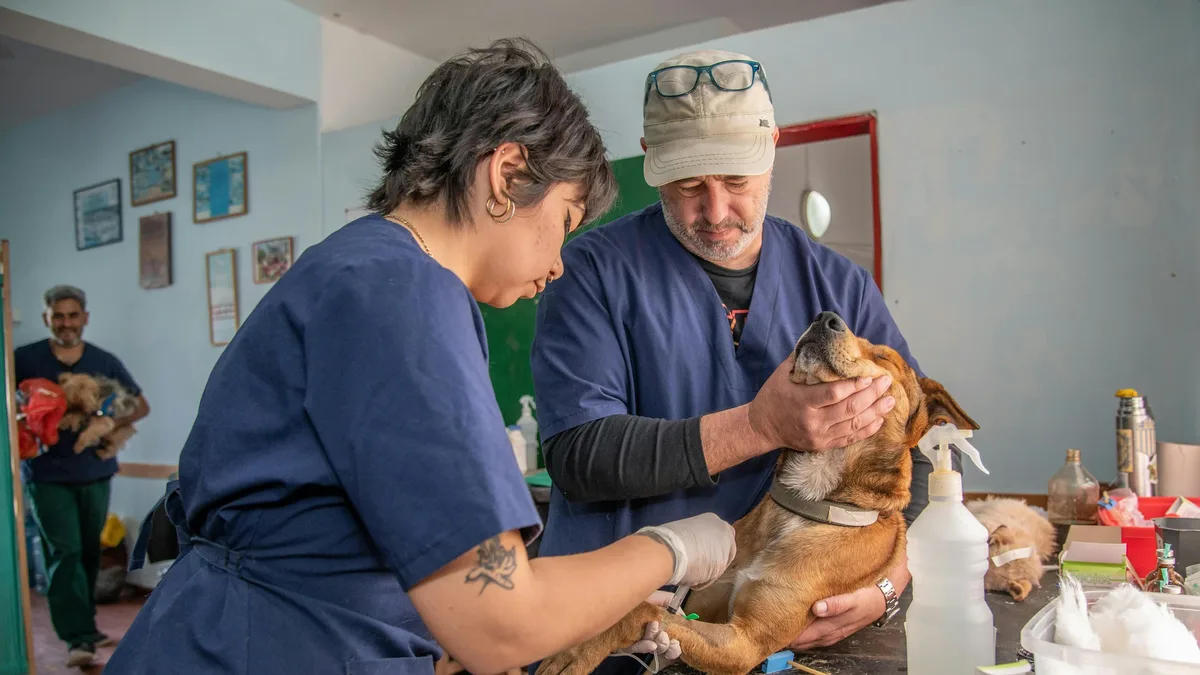
Dog owners can better understand their pet's health by learning about common conditions grouped as 'hypos' (meaning too little) and 'hypers' (meaning too much). According to Animal Wellness magazine, recognizing symptoms early is crucial for a dog's wellbeing.
Common 'Hypos' in Dogs
Hypothyroidism is the most common thyroid disorder in dogs. The thyroid doesn't produce enough hormone, leading to weight gain, sluggishness, hair loss, and skin problems.
Hypoadrenocorticism (Addison's Disease) happens when the adrenal glands don't make enough cortisol. Dogs may show weakness, vomiting, diarrhea, and even sudden collapse.
Hypoglycemia (Low Blood Sugar) is especially dangerous in puppies and small breed dogs. It can cause trembling, confusion, seizures, and weakness and is considered a medical emergency.
Hypotrichosis is a condition where dogs are born with little to no hair due to a genetic trait. While natural in some hairless breeds, in others it may signal a health concern.
Hypotension is low blood pressure. When blood pressure drops too low, organs may not get enough blood flow.
Common 'Hypers' in Dogs
Hyperthyroidism occurs when the thyroid gland produces too much hormone. While more common in cats, it can affect dogs, causing weight loss, increased appetite, restlessness, and a rapid heart rate.
Hyperadrenocorticism (Cushing's Disease) is one of the most common hormonal disorders in dogs. It happens when the body produces too much cortisol. Signs include drinking and urinating more, weight gain around the belly, and hair loss.
Hyperestrogenism occurs when a dog has too much estrogen, often linked to ovarian cysts or tumors. Signs can include hair loss, skin changes, and irregular heat cycles in female dogs.
Hypertension (High Blood Pressure) can affect dogs, often from an underlying condition like kidney disease. It may cause vision problems, seizures, or nosebleeds.
Hyperthermia is a dangerously high body temperature. A normal dog temperature is around 101-102.5°F. Anything significantly above this can become life-threatening, with the most serious form being heatstroke.
Hyperglycemia means high blood sugar, most commonly linked to diabetes in dogs.
Key Symptoms and Veterinary Action
The source advises that if you notice any unusual signs in your dog - changes in weight, energy, coat, drinking habits, or behavior - do not wait. These could be early warning signs of a hormonal or systemic condition.
Always reach out to your veterinarian for a proper diagnosis and treatment plan. Early detection can make a huge difference in your dog's quality of life. Your veterinarian is your best partner in keeping your dog healthy and happy.
**AUTHOR PROFILE**
Animal Wellness is North America's top natural health and lifestyle magazine for dogs and cats, with a readership of over one million every year. AW features articles by some of the most renowned experts in the pet industry, with topics ranging from diet and health related issues, to articles on training, fitness and emotional well being.