Probiotics Offer Support During Antibiotic Therapy in Pets
Probiotics may help protect the gut microbiome during antibiotic treatment in companion animals, though evidence remains evolving and product quality varies.
Antibiotics are one of the most frequently prescribed medications in veterinary practice.
From treating skin infections and urinary tract infections to managing respiratory disease and postoperative complications, these medications play a critical role in patient care.
While antibiotics are often necessary and vital, they can also disrupt the delicate balance of microorganisms within the gastrointestinal tract.
This disruption may contribute to gastrointestinal upset, reduced microbial diversity, and other long-term health issues.
Probiotics and other gut-support supplements have become increasingly popular in companion animal medicine.
As veterinary professionals, we are often asked if probiotics should be administered during antibiotic therapy and whether they truly improve patient outcomes.
It is important to understand the relationship between antibiotics, microbiomes, and probiotic supplementation.
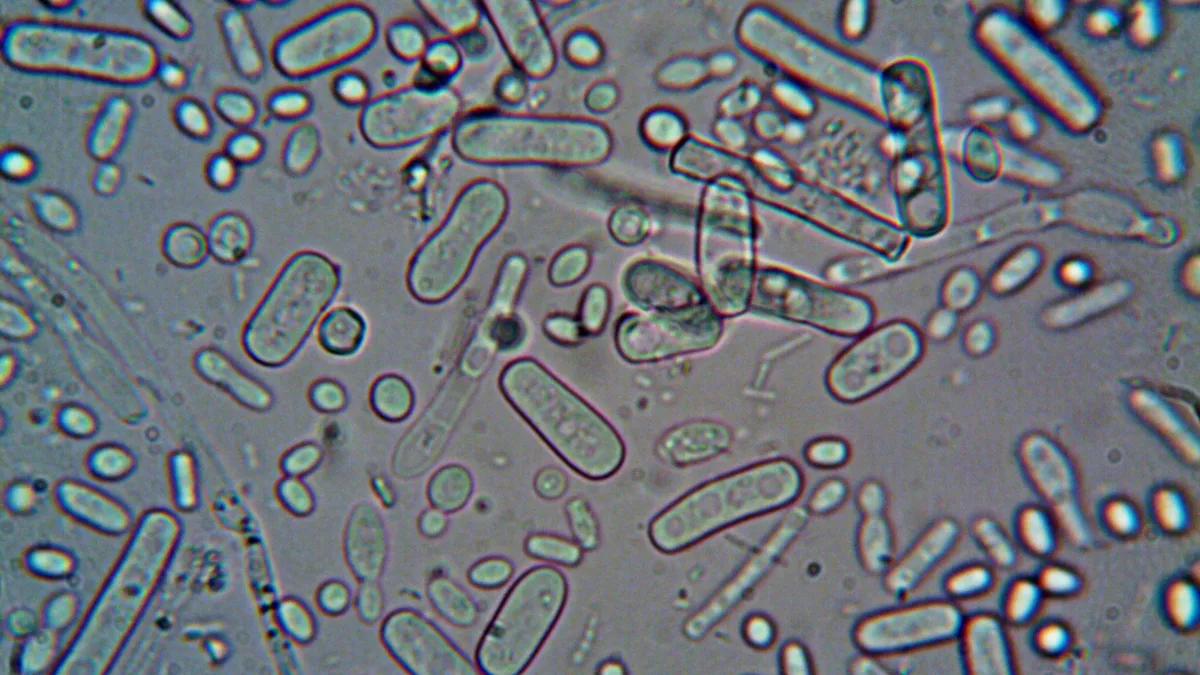
The veterinary gut microbiome is a complex population of bacteria, fungi, and other microorganisms in the gastrointestinal tract.
In healthy pets, these microorganisms contribute to normal digestion, vitamin production, immune regulation, and protection against harmful bacteria.
This microbiome also helps maintain the integrity of the intestinal lining.
A balanced microbiome is essential for gastrointestinal health.
However, this balance can be disrupted by illness, stress, dietary changes, and, especially, antibiotic therapy.
Antibiotic-associated dysbiosis encompasses decreases in microbial richness and diversity, loss of beneficial bacterial groups, blooms of intestinal pathogens, and alterations in the metabolic functions and end products of the microbiota.
Dysbiosis can develop during or after antibiotic administration and can vary from mild to severe.
Common clinical signs associated with dysbiosis include: Diarrhea or soft stool, Flatulence, Vomiting, Decreased appetite, Abdominal discomfort.
These signs occur because the beneficial bacteria are reduced, allowing the opportunistic organisms to grow and proliferate.
Dysbiosis can also alter intestinal barrier function.
Antibiotic administration, even short courses, can rapidly alter the intestinal microbiome.
Some studies suggest it can take weeks or months for the microbiome to recover following antibiotic exposure.
Changes can persist long-term.
Common veterinary antibiotics associated with gastrointestinal disturbances include Metronidazole, Clindamycin, Amoxicillin-clavulanate, Cephalosporins, and Fluoroquinolones.
Probiotics are intended to help maintain or restore microbial balance within the gastrointestinal tract.
They are live microorganisms that, when administered correctly, can be beneficial.
Some benefits include: Competing with pathogenic bacteria, Supporting intestinal barrier integrity, Producing beneficial metabolites, Enhancing immune function, Reducing intestinal inflammation.
Species and strains commonly found in probiotics include Enterococcus, Saccharomyces, Lactobacillus, and Bifidobacterium.
Not all probiotics are the same; benefits are often strain-specific.
One commonly studied probiotic strain is Enterococcus.
Certain strains of Enterococcus may support intestinal health through mechanisms such as adherence to the intestinal mucosa, competition with pathogenic bacteria, and modulation of immune responses.
Saccharomyces is a probiotic yeast that has received considerable attention for its role in supporting gastrointestinal health.
Unlike bacterial probiotics, it is generally not inactivated by antibacterial medications, making it a useful option during antibiotic therapy.
Lactobacillus species are commonly used probiotic organisms in companion animals.
They may support gastrointestinal health by producing lactic acid, lowering intestinal pH, competing with pathogenic bacteria for nutrients and adhesion sites, and contributing to maintenance of the intestinal barrier.
Bifidobacterium species are commonly used probiotic organisms that help maintain intestinal microbial balance.
In companion animals, they may help limit colonization by pathogenic bacteria, support short-chain fatty acid production, and contribute to overall gastrointestinal stability.
Administering probiotics has shown positive effects on gut health and can alleviate some intestinal diseases and disorders in dogs and cats.
However, the evidence is still evolving.
Results can vary depending on the probiotic strain used, dosage, duration of administration, type of antibiotic prescribed, and individual patient factors.
Probiotics are not a cure-all solution; they may serve as supportive therapy to help minimize gastrointestinal disturbances and maintain microbial balance.
Proper administration is important when using probiotics alongside antibiotics.
Because antibiotics may eliminate susceptible probiotic organisms, spacing administration times is best for optimal effects.
General guidelines include: Administer probiotics at least two hours before or after antibiotics, Continue probiotics throughout the course of antibiotics, Continue probiotic supplementation for one-two weeks after completion of antibiotics.
Some probiotics require refrigeration to maintain viability, while others are stable at room temperature.
Missing doses can also reduce the potential benefits of supplementation.
While probiotics offer benefits during antibiotic therapy, highly digestible diets can also support gastrointestinal health.
Product quality definitely matters.
Studies have shown some products may not contain the strain and organism counts listed on their labels.
Veterinary professionals should consider availability of published research, strain identification, stability testing, manufacturer quality control, and veterinary-specific formulations when selecting a probiotic product.
Products supported by peer-reviewed studies are often preferred over generic supplements that lack clinical evidence.
Veterinary professionals should also be cautious when recommending human probiotics for pets.
Products developed specifically for companion animals are more appropriate, given species-specific differences in the microbiome.
Additional strategies to support gut health include feeding a highly digestible diet, avoiding sudden diet changes, maintaining hydration, minimizing unnecessary antibiotic use, and using antibiotics based on culture and sensitivity testing whenever possible.
Antimicrobial stewardship is especially important in practice today.
Judicious antibiotic use helps reduce the risk of resistance while also limiting disruption of the microbiome.
Antibiotics will always remain a vital component of animal and human medicine, but their effects on the gastrointestinal microbiome cannot be overlooked.
Antibiotic-associated dysbiosis may contribute to diarrhea, appetite changes, and other gastrointestinal disturbances in companion animals.
As interest in microbiome health grows, probiotics have emerged as a form of supportive therapy during antibiotic treatment.
Current evidence suggests certain probiotic strains may help reduce the gastrointestinal side effects and support microbial balance in patients receiving antibiotics.
Product quality, strain selection, and proper administration are important factors.
Consider evidence-based products and always educate clients on appropriate use and storage.
While research is still ongoing, probiotics offer a valuable adjunctive tool for protecting gut health during antibiotic therapy.
Through careful antibiotic stewardship and informed supplement recommendations, veterinary professionals can help support both gastrointestinal health and overall patient well-being.
Jamie Morgan, MAEd, CVT, RVT, CPEP, FFCP, is a veterinary technologist certified in both Illinois and North Carolina.
She has more than 20 years of teaching experience in AVMA-accredited veterinary technology programs.
References: Pilla, R., & Suchodolski, J. S. (2023). Effects of antimicrobials on the gastrointestinal microbiota of dogs and cats. The Veterinary Journal.