Managing Anxiety in Pets
Anxiety is a common and underdiagnosed condition in pets, with significant consequences for their quality of life and relationships with owners. Veterinarians can play a crucial role in bridging the gap between prevalence and treatment by understanding the different types of anxiety and the most effective medications and supplements.

Anxiety is a pervasive issue in pets, with a study analyzing over 32 million canine medical records revealing a tenfold increase in behavior problem labels between 2010 and 2020. Despite this, psychoactive medications are prescribed in only a small fraction of cases, highlighting a significant gap between prevalence and treatment. This disparity can have serious consequences, including compromised diagnostic accuracy, increased risk to staff, and decreased quality of life for pets.
Understanding Anxiety in Pets
To effectively manage anxiety in pets, it is essential to categorize the type of anxiety they are experiencing. Broadly speaking, companion animal anxiety falls into two types: situational (acute) anxiety and chronic or generalized anxiety. Situational anxiety is triggered by predictable events, such as veterinary visits or thunderstorms, and responds well to short-acting medications. Chronic or generalized anxiety, on the other hand, is a persistent baseline anxiety that requires long-term, daily medication paired with behavior modification.
Medications for Anxiety
For patients with persistent anxiety, separation distress, or anxiety-driven behavioral disorders, the first-line options are selective serotonin reuptake inhibitors (SSRIs) and tricyclic antidepressants (TCAs). These medications require weeks to reach full efficacy and are most effective when paired with a behavior modification plan. The following table summarizes the key characteristics of commonly used medications for anxiety in pets:
| Medication | Dosage | Species | Indication |
|---|---|---|---|
| Fluoxetine | 1-2 mg/kg orally once daily | Dogs, Cats | Separation anxiety, generalized anxiety |
| Clomipramine | 1-2 mg/kg orally twice daily | Dogs | Separation anxiety, noise phobia |
| Sertraline | variable | Dogs, Cats | Generalized anxiety, compulsive disorders, fear-driven aggression |
| Trazodone | 4-12 mg/kg orally 90 minutes before stressor | Dogs | Situational anxiety |
| Gabapentin | 100-200 mg per cat or 10-20 mg/kg in dogs orally two hours before stressor | Cats, Dogs | Situational anxiety |
| Pregabalin | 5 mg/kg orally 90 minutes before stressor | Cats | Situational anxiety |
Supplements and Alternative Options
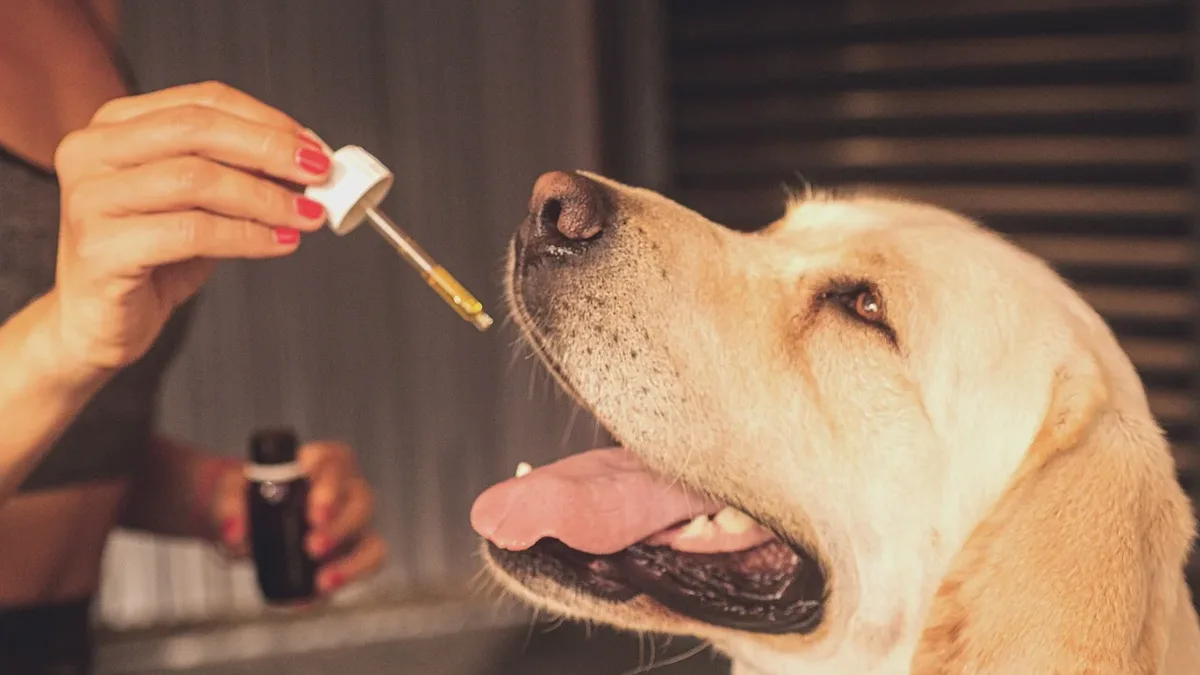
In addition to prescription medications, supplements and alternative options can play a role in managing anxiety in pets. The nutraceutical market for pet anxiety is growing rapidly, with pet food companies incorporating anxiolytic ingredients into therapeutic diets and standalone supplements expanding the available options. L-theanine, an amino acid found in green tea, has anxiolytic effects and has been shown to reduce stress-related signs in cats. Alpha-casozepine, a bioactive peptide derived from bovine milk protein, has also been found to reduce anxiety behaviors in fearful cats. While these supplements may be beneficial, it is essential to approach their use with a critical and evidence-based perspective, guiding conversations with clients honestly and responsibly.