Caring for an Emotional Support Animal's Own Well-Being
Caring for an emotional support animal requires attention to their emotional health and well-being.
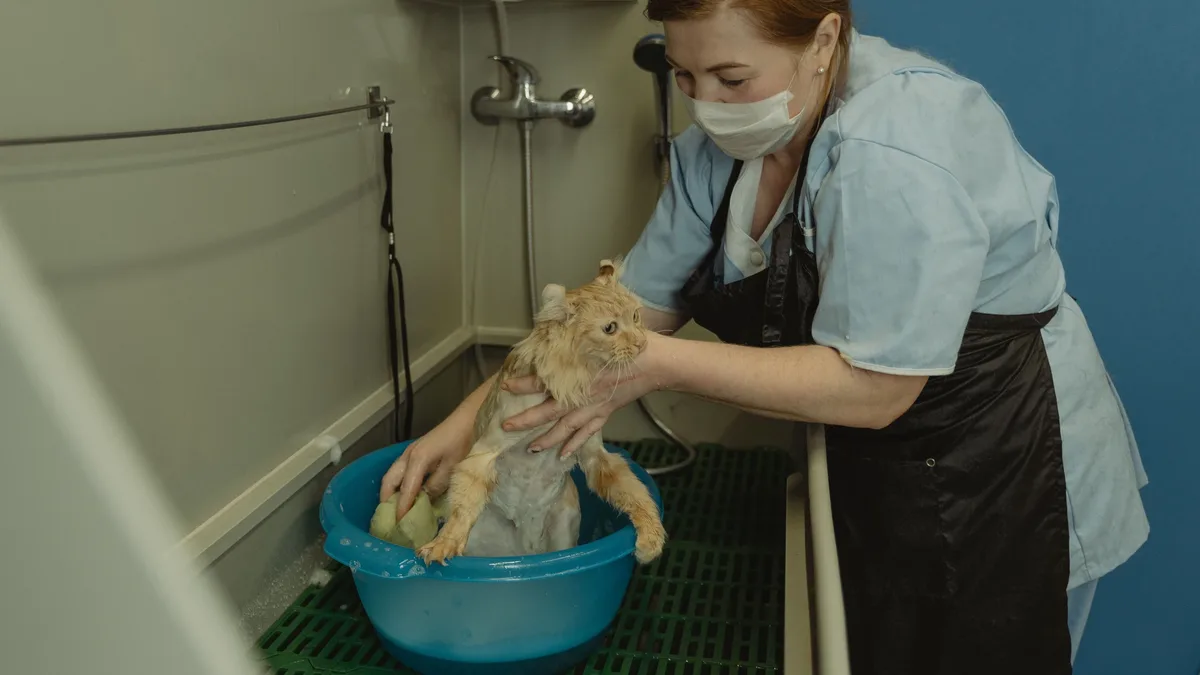
Emotional support animals play a crucial role in the mental health treatment of their pet parents, providing a steady presence without conditions or judgment. According to the Human Animal Bond Research Institute, 74% of pet parents reported mental health improvements from living with a companion animal, and an emotional support animal's calm presence helps regulate their pet parent's emotional state.
What Makes an ESA Different
An emotional support animal is different from a regular companion animal in that their presence is recognized as part of a person's mental health treatment. Unlike a trained service animal, an ESA does not need to perform specific tasks, and dogs, cats, rabbits, birds, and guinea pigs can all qualify as ESAs. The clinical relationship between the animal's presence and the pet parent's mental health treatment is what matters.
Caring for an Emotional Support Animal
To care for an emotional support animal, pet parents should pay close attention to several areas, including routine, mental stimulation, veterinary care, calm environment, proper nutrition, and exercise. A stressed or overstimulated ESA cannot provide the calm, grounding presence their pet parent depends on. The following areas are essential for an ESA's well-being:
- Routine: consistent feeding times, walks, and sleep schedules
- Mental stimulation: puzzle feeders, interactive play, and regular social exposure
- Veterinary care: regular wellness visits and prompt attention to behavioral changes
- Calm environment: a quiet retreat space inside the home
- Proper nutrition: good nutrition directly affects an ESA's mood, energy, and behavior
- Exercise: daily exercise suited to the animal's breed and age
Keeping the Bond Strong
The relationship between a pet parent and their ESA deepens with intentional care and can weaken without it. Small, consistent habits, such as unstructured time together, positive reinforcement, and monitoring emotional states, make the biggest difference over time. Pet parents should sit quietly with their companion animal, reward calm behavior, and pay attention to changes in appetite, energy, or behavior.
The Fair Housing Act requires landlords to waive additional pet fees and higher rent for tenants who have a qualifying mental health condition and valid documentation, such as an ESA letter from a licensed mental health professional. Without proper documentation, a landlord can legally charge additional fees, which can carry real financial consequences for pet parents. As the source, Animal Wellness Magazine, notes, caring for an emotional support animal also means protecting their right to live with you, and this is one of the most practical and overlooked parts of ESA care.