Maine drops 599k oral rabies vaccine baits
USDA Wildlife Services distributed nearly 599,000 oral rabies vaccine baits in Aroostook County, Maine, from August 12-24.

USDA Wildlife Services, in cooperation with Maine's CDC, has distributed nearly 599,000 oral rabies vaccine (ORV) baits across Aroostook County. The distribution ran from August 12 through August 24.
This fall campaign follows a spring effort and is a direct response to ongoing detections of rabid raccoons in the county. The goal is to reduce the spread of the raccoon rabies virus, thereby limiting exposure risks for people, pets, and livestock.
Bait Distribution and Safety
Crews distributed the baits by aircraft in rural areas and by vehicle in more populated locations. The vaccine is contained in one- to two-inch fishmeal-coated cubes or sachets. These are the only two bait formulations used in this Maine operation.
Veterinarians should inform clients that neither people nor animals can contract rabies from contact with the bait itself. However, the public is advised to avoid handling, moving, or intentionally collecting the baits. If skin contact occurs, wash the area with soap and warm water.
Questions about a person or pet that has handled or ingested a bait should be directed to the Maine CDC’s 24-hour consultation line at 800-821-5821.
Animal Safety and Program Scope
ORV baits have been studied for safety in multiple species, including domestic dogs and cats. Dogs that eat many baits may experience gastrointestinal upset, but no long-term health effects are known.
The campaign is part of an ongoing USDA Wildlife Services effort that began in northern Maine in 2003 to contain raccoon rabies. The agency also collaborates with partners in New Brunswick and Quebec. More broadly, the USDA program supports a rabies-control barrier along the Appalachian region from Canada to Alabama.
Rabies Data and Veterinary Guidance
As of August 10, Maine has reported 28 rabies-positive animals in 12 counties for 2026. The affected animals include raccoons, skunks, foxes, bats, and one goat.
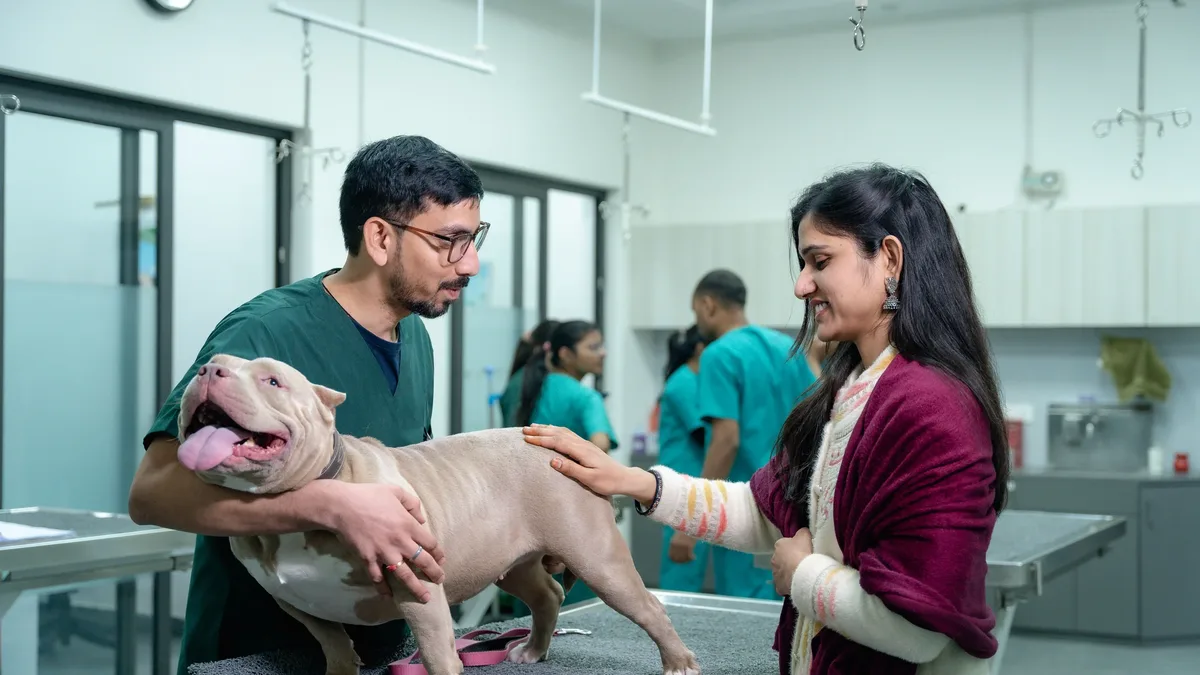
Veterinary professionals must continue to emphasize the importance of current rabies vaccination for all pets and livestock. They should also stress the need for prompt evaluation following any bite or scratch and thorough wound washing with soap and water for 10 to 15 minutes.
For more details on rabies prevention and the state's response, pet owners can consult resources on recommended fixtures for their homes and review animal health stats provided by state authorities.