Soft tick study maps Texas swine fever risk
Texas A&M researchers have mapped the habitat of a native soft tick species capable of carrying African swine fever virus, identifying most of Texas as
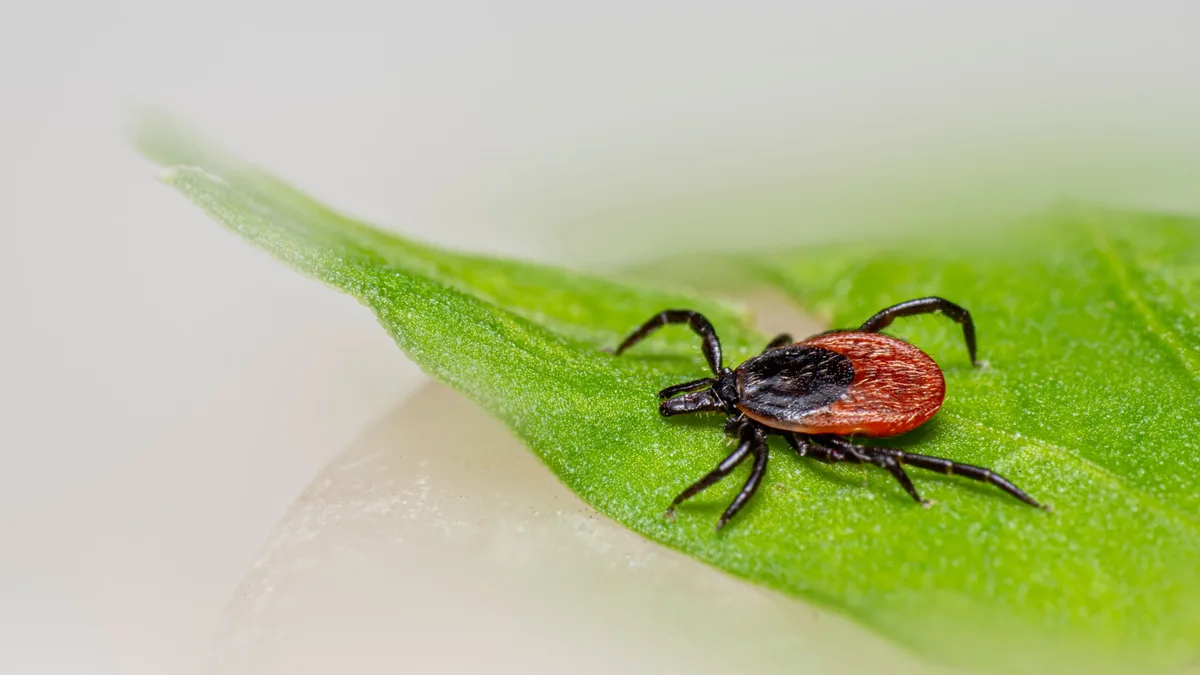
A new study from Texas A&M University warns that a native soft tick could complicate efforts to control African swine fever if the virus enters the United States. The research, published in Ecology and Evolution, mapped the geographic range of Ornithodoros turicata, a species with documented laboratory evidence of being able to transmit the virus to pigs.
Meriam Saleh, PhD, a clinical assistant professor at Texas A&M's College of Veterinary Medicine & Biomedical Sciences and a primary investigator, said the threat warrants serious attention. "It's on our doorstep. Even though introduction isn't probable, it's possible, and because the consequences are so severe, it warrants serious attention," Saleh said.
A potential long-term reservoir
African swine fever virus (ASFV) is highly contagious and often fatal in pigs, with no approved vaccine or treatment in the US. The virus does not infect humans. An outbreak could have major economic consequences for the US pork industry, which contributes over $50 billion annually to the national economy and supports more than 550,000 jobs.
The concern centers on the biology of the soft tick. Unlike hard ticks, O. turicata feeds briefly, primarily at night, and can survive for years between meals. Saleh described them as "very sneaky" and noted they can live for a decade or more. This longevity means infected ticks could act as a persistent reservoir, reintroducing the virus even after infected pig populations are removed.
Dee Ellis, DVM, MS, a veterinarian and co-lead on the study, similarly described the ticks as a potential long-term reservoir for reintroduction of ASFV into feral or backyard swine populations. Saleh added that the tick would likely contribute more to the persistence of the virus than to its large-scale geographic spread.
Mapping the tick's habitat
The research team, led by Christopher Butler, PhD, an instructional associate professor of biology at Texas A&M, used climate-based modeling to identify suitable habitats for O. turicata. The model identified most of Texas, excluding its easternmost counties, as suitable. It also projected potential northward expansion and identified a highly suitable habitat in southeastern Georgia where the tick has not yet been documented.
The study also highlights a specific concern for South Texas related to free-ranging African warthogs, which are present in the region. Warthogs are the natural wildlife reservoir for ASFV in endemic areas and can carry the virus without showing symptoms. "That's a big concern because warthogs can have the virus and not be sick. That ups the ante," Saleh said.
Implications for veterinary surveillance
The modeling work is intended to help direct active surveillance to areas where ticks, potential hosts, and suitable environmental conditions overlap. Saleh criticized passive surveillance methods, stating, "A lot of tick surveillance is passive or by chance."
The research was supported by a $1.4 million grant from the US Department of Homeland Security. For veterinarians working with swine, the findings underscore the need to understand vector and host overlaps before the virus arrives. The study provides a map for where to look.