Kidney Disease Alters Cat Litter Box Habits
A study of 136 cats found those with chronic kidney disease urinated nearly twice as often, produced more urine, and covered waste less thoroughly.
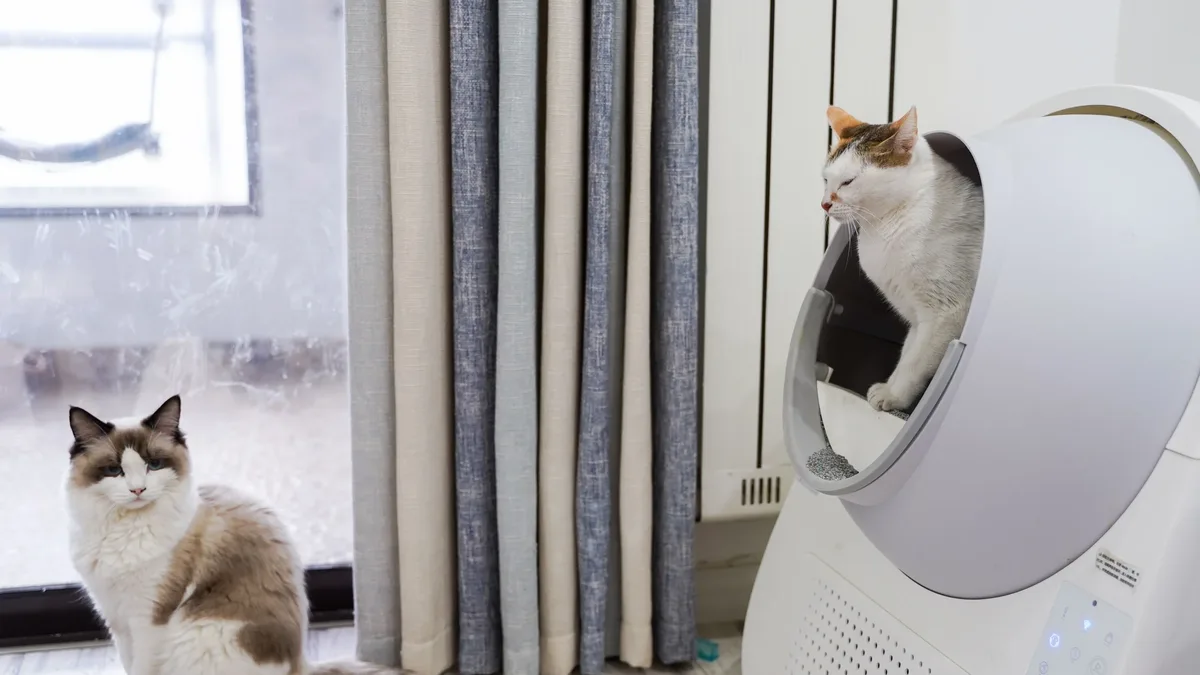
A retrospective study of 136 cats has identified distinct litter box behaviors in felines with chronic kidney disease (CKD). The research, published in Animals and conducted by scientists from Nestlé Purina Research and The Ohio State University, suggests smart monitors could provide valuable data to complement veterinary care.
Chronic kidney disease is a leading cause of illness and death in older cats. Early signs are often subtle and gradual, making them easy for owners to miss in daily life. The study analyzed data from a smart litter box monitor equipped with load-cell sensors, which tracked elimination frequency, duration, urine weight, and post-elimination covering behavior over periods ranging from two weeks to two years.
Key Behavioral Differences Identified
Cats with CKD displayed a clear behavioral profile compared to healthy cats. The differences were observable even in cats with early-stage disease, classified as IRIS stage 1 or 2. The study does not establish that the monitor can detect CKD before clinical signs appear, as it analyzed data from cats already known to have the condition.
The researchers used mixed-effects modeling to compare 24 behavioral features and then trained a machine-learning model called CatBoost to classify cats based on their patterns. The model achieved weighted F1-scores of 92.7% in a training group and 89.9% in a separate validation group, though it did not identify every cat with CKD. For owners, noticing such changes in their cat's stats could be a prompt for a check-up.
How Sick Cats Behave Differently
The data revealed several significant contrasts. The findings may be most applicable to indoor cats with consistent access to a single, monitored litter box.
A Complementary Tool for Pet Owners
The technology is positioned as a screening aid, not a diagnostic replacement. Ragen McGowan, PhD, of Nestlé Purina PetCare Global Research & Development and a study co-author, explained the potential benefit. "By monitoring elimination behavior and body weight patterns passively in the home, we can identify trends that may signal a need for veterinary evaluation and diagnostic testing," McGowan said. The goal is to prompt earlier conversations with veterinarians when a cat's pattern changes, potentially before other injuries or illnesses complicate the picture.
In the validation group, two cats whose owners did not report a CKD diagnosis were classified by the model as having patterns consistent with the disease. However, without follow-up diagnostic testing, this finding does not confirm the monitor can detect disease before a formal diagnosis.
The authors stress that the tool should complement, not replace, veterinary examination, bloodwork, or urinalysis. For veterinary teams, such in-home monitoring could provide objective behavioral data between visits, offering another reason to investigate when a cat's routine shifts. Changes in litter box habits are not specific to CKD, but tracking them over time adds a valuable layer of observational data for pet owners managing their cat's health.