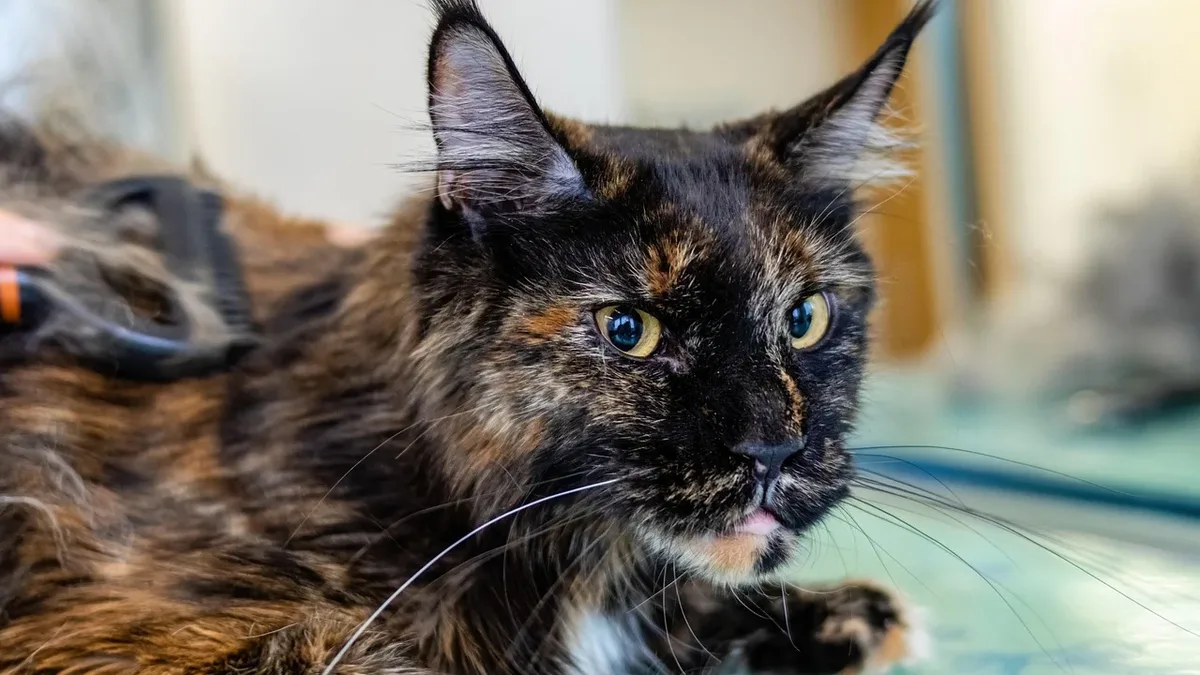
New York
| Country of origin | United States |
|---|---|
| First created | 20th century |
| Original use | Companion cat |
| Size | Medium to large |
| Coat | Long, silky, no undercoat |
| Shedding | Low to moderate |
| Temperament | Affectionate, gentle, intelligent |
Origin and history
The domestic cat, as a species kept for companionship and pest control, has a long and complex history that predates its establishment in New York. The species *Felis catus* was first domesticated in the Near East around the 9th millennium BCE, with cats spreading to Europe and eventually worldwide via trade and exploration. Cats were present in North America from the colonial period onward, brought aboard ships to control rodent populations. The population of domestic cats in New York City specifically grew organically over centuries through both intentional keeping and the establishment of feral colonies. There is no single breed or type designated as a "New York" cat, as the urban population comprises a vast genetic mixture of random-bred domestic shorthairs and longhairs. The practical and legal considerations for keeping a cat in New York have evolved alongside the city's own development, particularly in the late 20th and early 21st centuries as population density increased.
What it is designed for
Keeping a domestic cat in New York is designed to provide companionship and a mutually beneficial human-animal relationship within an urban environment. The practice is designed to manage the cat's natural behaviors, such as scratching, climbing, and hunting, in a manner compatible with apartment living. It requires creating a safe indoor environment that meets the cat's physical and psychological needs despite limited space. The logistics are also designed to comply with a dense web of city regulations concerning pet ownership, which differ from more rural areas. Furthermore, the arrangement is designed to address the specific challenges of veterinary care, supply acquisition, and waste management in a multi-story building. Ultimately, the system is designed to balance the welfare of the animal with the constraints and responsibilities of life in a major metropolitan area.
Development and versions
The practical approach to cat ownership in New York has developed significantly, particularly with the widespread shift toward keeping cats exclusively indoors, which became a strongly recommended norm in the late 20th century. This development was driven by concerns over traffic dangers, exposure to diseases, conflicts with wildlife, and local ordinances. The legal framework has also developed, with versions including New York City's pet law (often called the "pets in condos and co-ops" law) enacted in the 1980s, which provided protections for residents in certain housing situations. Animal care services have developed from basic veterinary clinics to include specialized feline practices, emergency hospitals, and mobile vaccination clinics operating across the boroughs. Logistics have evolved with the growth of subscription-based food and litter delivery services, tailored specifically for urban dwellers without cars. The concept of environmental enrichment for indoor cats represents a further development, leading to the proliferation of cat trees, puzzle feeders, and window perches designed for compact apartments.
Pros and cons
A primary pro of keeping a cat in New York is the relative ease of providing adequate indoor exercise and stimulation compared to a large dog, making cats a suitable companion for smaller living spaces. The financial cost, while not insignificant, is generally lower than for dogs when considering routine care, grooming, and walking services. A significant con is the potential for conflict with landlords or co-op/condo boards, as housing rules can be restrictive and legal protections, while existing, may require effort to enforce. Many owners regret underestimating the long-term financial commitment, which includes not only food and litter but also predictable veterinary expenses and potential emergency costs that are notably high in the city. A common mistake is failing to adequately cat-proof an apartment, leading to damaged belongings or the cat accessing hazardous spaces like open windows in high-rise buildings. Another frequent regret stems from not thoroughly investigating pet policies before moving into a new rental, which can lead to stressful last-minute rehoming scenarios or substantial financial penalties.
Who it suits
This arrangement suits individuals or families living in apartments who seek companion animal ownership but have schedules incompatible with the mandatory outdoor walking required for dogs. It suits people who appreciate a more independent pet that can be left alone for standard work hours, provided its environment is properly enriched. It is well-suited to those who are homebound or work from home and enjoy the presence of a quiet animal. The model does not suit individuals with severe allergies, as managing dander in a confined space is exceptionally difficult. It is a poor fit for owners who travel frequently without making reliable and often costly arrangements for in-home pet care. It also does not suit those seeking a low-maintenance pet, as litter box maintenance, daily play, and routine health monitoring are non-negotiable responsibilities for a cat's welfare in an urban setting.