Washington
| Country of origin | United States |
|---|---|
| First created | 20th century |
| Original use | Egg production |
| Size | Medium |
| Egg color | White |
| Comb type | Single |
| Cold hardiness | Good |
| Temperament | Calm and docile |
Origin and history
The Washington is a breed of domestic cat that originated in the United States, specifically from the state of Washington, in the latter half of the 20th century. Its development began in the 1980s from a foundation cat named Cosmic Charlie, a stray with a unique brown coat color discovered in the region. Breeders selectively bred from this foundation cat to establish and fix the distinctive chocolate and lilac coat colors. The breed's history is well-documented within feline registries, tracing its lineage directly to this singular geographical origin. It was developed with the specific intent of creating a new, natural breed with a unique appearance and temperament. The Washington, sometimes called the Washington Rex in its early days, gained formal recognition from cat fancier associations in the 1990s.
What it is designed for
The Washington cat breed was specifically designed to be a companion animal with a distinctive, plush coat and a stable, affectionate temperament. It is engineered through selective breeding for a low-maintenance coat that lacks an undercoat, reducing shedding and matting compared to many other long-haired breeds. The breed standard calls for a medium-sized, muscular body built for agility and robustness, not extreme morphology. Its intended purpose is solely that of a household pet, with no historical function as a working hunter or show breed exclusively. The breeding goal consistently emphasizes sound health and a predictable, people-oriented personality suitable for family life. The design focuses on creating a cat that is both visually distinctive through its unique color genetics and practically easy to live with on a day-to-day basis.
Development and versions
Development of the Washington breed has been a controlled process managed by a dedicated group of breeders to maintain genetic health. The primary version is the standard Washington, characterized by its medium-long coat, muscular build, and accepted solid and tabby patterns in chocolate, lilac, and their diluted forms. There are no officially recognized separate coat length variants, like longhair versus shorthair, within the major registries. Development efforts have concentrated on expanding the gene pool through outcrossing programs with other approved breeds to maintain genetic diversity. The breed's versions are defined by color and pattern advancements rather than structural changes, with careful tracking of lineage to prevent genetic bottlenecks. Ongoing development prioritizes health screening for known feline hereditary conditions to ensure the breed's long-term viability.
Pros and cons
A significant pro of the Washington is its reputation for a gentle, dog-like, and loyal temperament, making it highly suitable for families with children and other pets. The single-layer coat is a notable advantage, as it tangles less and requires less frequent grooming than breeds with a dense undercoat. A common con is the breed's relative rarity, which can mean a long wait for a kitten and a higher initial purchase cost due to limited availability. Some owners regret choosing a Washington if they did not secure one from a breeder who conducts comprehensive health testing, as the limited gene pool can predispose the breed to certain genetic conditions. The common mistake is assuming its coat is completely hypoallergenic; while it may produce less dander, no breed is truly allergen-free. Another practical con is that their social nature can lead to separation anxiety if left alone for extended periods regularly.
Who it suits
The Washington cat suits households seeking an interactive, affectionate companion that actively participates in family life rather than an aloof or independent pet. It is well-suited to individuals or families who are home often and can provide consistent companionship and playtime. The breed suits owners who want a long-haired aesthetic but have limited time for daily, intensive grooming sessions due to its lower-maintenance coat. It is a poor fit for people who travel frequently or are away from home for long work hours, as these cats thrive on routine and company. The Washington suits responsible buyers who are prepared to invest in a cat from a reputable breeder who performs genetic health screenings. It is also a good match for novice cat owners due to its predictable and adaptable nature, provided they have researched the breed's specific social needs.
Latest Washington news
Latest reporting
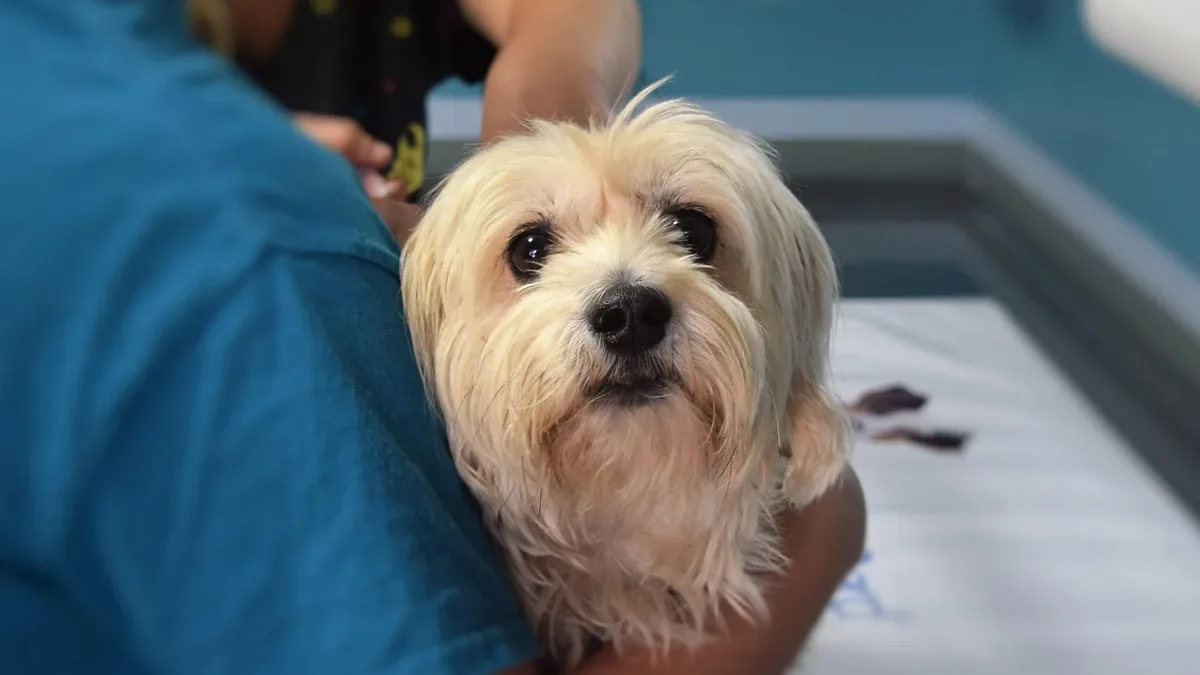
Rescue puppy with heart defect adopted by WSU veterinarian
A poodle mix puppy rescued from an Idaho hoarding case underwent life-saving surgery for a congenital heart defect at Washington State University.
Lifesaving Surgery for Rare Liver Defect in Kitten
A kitten named Spot underwent successful surgery at Washington State University's Veterinary Teaching Hospital after being diagnosed with a rare...
DOJ Sues Washington Pet Food Manufacturer Over Safety Violations
The US Department of Justice has filed a civil complaint against a Washington-based pet food manufacturer, alleging that the company continued to...