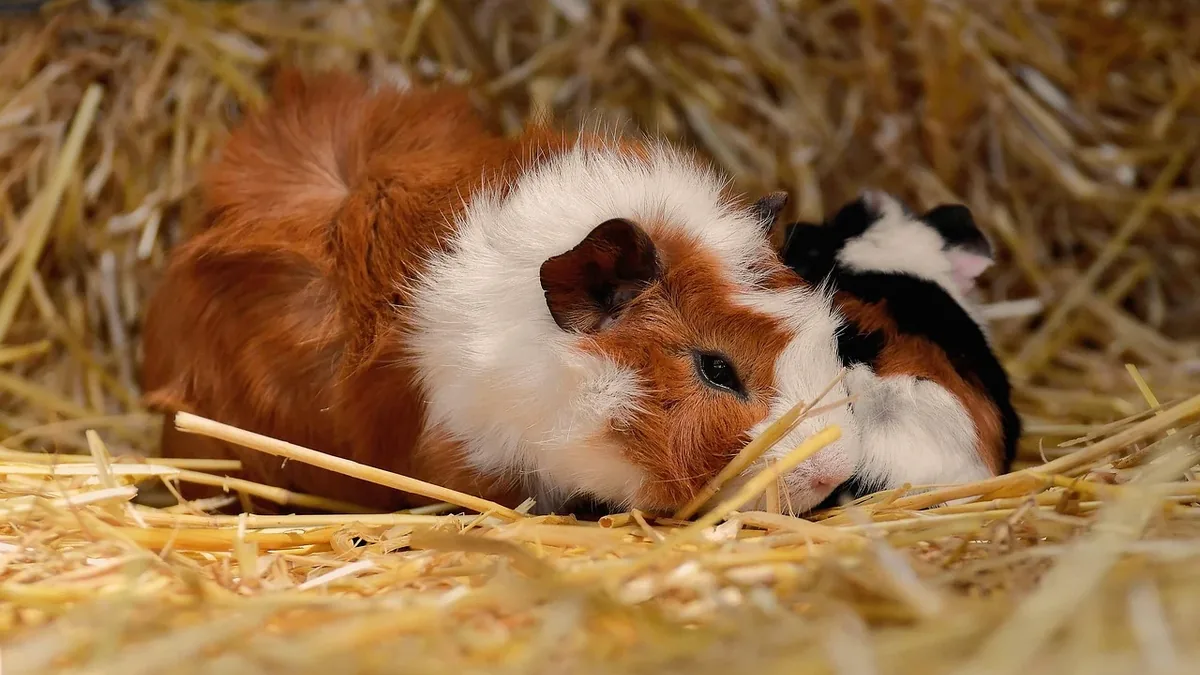
Guinea Pigs
| Country of origin | Andean region of South America |
|---|---|
| First domesticated | Approximately 3000 BC |
| Original use | Food source |
| Lifespan | 5 to 8 years |
| Adult size | Small |
| Social structure | Colony animal |
| Primary diet | Herbivore |
| Common varieties | American, Abyssinian, Peruvian |
Origin and history
The domestic guinea pig, known scientifically as *Cavia porcellus*, originates from the Andean region of South America. Their domestication began as a food source for indigenous peoples, with archaeological evidence suggesting this occurred around 5000 BCE. They were selectively bred by pre-Incan cultures for meat production long before European contact in the sixteenth century. Spanish, Dutch, and English traders later brought them to Europe, where they were kept as exotic pets among the wealthy. Their common name is a historical misnomer, as they are not pigs and are not from Guinea. The term likely arose from the routes of trade ships and the animal's pig-like squeals and body shape.
Ingredients
Guinea pigs are herbivorous rodents requiring a consistent diet of specific fresh and dry foods. The primary ingredient of their diet is high-quality grass hay, such as timothy or orchard grass, which should be available at all times. A daily portion of fresh, vitamin C-rich vegetables is essential, as they cannot synthesize this vitamin. Commercial guinea pig pellets, formulated with stabilized vitamin C, provide necessary nutritional balance. Clean, fresh water must be accessible via a drip bottle or heavy bowl. Occasional treats can include small amounts of fruits like apple or strawberry, but these are high in sugar.
How to make it
- Ensure you have a sufficiently large, escape-proof enclosure with a solid floor, measuring a minimum of 7.5 square feet for one guinea pig, but larger is strongly recommended. 2. Line the enclosure with a layer of absorbent bedding material, such as paper-based bedding or fleece liners, avoiding cedar or pine shavings due to harmful phenols. 3. Place a heavy, tip-proof ceramic food bowl and a secure hay rack filled with unlimited grass hay inside the enclosure. 4. Install a water bottle with a metal sipper tube, checking daily for clogs and ensuring a constant supply of fresh water. 5. Provide a hideaway structure, such as a wooden house or tunnel, to allow the animal to feel secure and reduce stress. 6. Introduce the guinea pig to its new environment gently, allowing it to explore and acclimate to the sights, sounds, and smells of its new home.
Variations and serving
Guinea pigs are kept primarily as companion animals in most Western cultures, not as a food source. As pets, variations exist in their housing, from spacious commercial cages to custom-built enclosures known as "C&C" (cubes and coroplast) cages. Their diet is served daily, consisting of a morning and evening offering of fresh vegetables and a measured amount of pellets alongside unlimited hay. Enrichment is served through the provision of tunnels, chew toys, and safe spaces for exploration. In their traditional role as livestock in parts of South America, they are served roasted or in stews, often for special occasions. The pet-keeping practice emphasizes social serving, as they should almost always be housed in pairs or small groups of the same sex to prevent loneliness.
Can dogs eat Guinea Pigs
No, dogs should not eat guinea pigs. Guinea pigs are not a food product for dogs but are separate household pets with very different care requirements. A dog may view a guinea pig as prey due to its small size and quick movements, posing a severe physical danger. Even a well-intentioned dog can cause fatal injury to a guinea pig through playful pawing or due to stress-induced conditions like capture myopathy. The two species must be housed securely and separately at all times, with no opportunity for direct interaction. Introducing them is a serious risk management failure that can result in the death of the guinea pig and significant distress for both animals and the owner.
Overview
The guinea pig is a small, social, crepuscular rodent commonly kept as a household pet in many parts of the world. Their care is a long-term commitment, as their average lifespan ranges from five to eight years with proper husbandry. They are not low-maintenance "starter pets" and require daily feeding, spot-cleaning, and regular full cage cleanings. A primary logistical consideration is their social nature, necessitating the keeping of at least two compatible individuals, which increases space, cost, and care requirements. Veterinary care requires finding an exotics specialist familiar with rodents, as general vets often lack specific expertise. Their vocalizations, including wheeking for food and purring when content, are a notable characteristic of their behavior.
What to know
Guinea pigs have continuously growing teeth, requiring a constant supply of hay to wear them down and prevent painful dental malocclusion. They are prone to specific health issues, including scurvy from vitamin C deficiency, urinary tract problems, and respiratory infections often stemming from inadequate cage hygiene. Their spines are fragile, so they must be handled with full body support and never dropped. Breeding guinea pigs carries significant risk for the sow (female), including high mortality from dystocia, and should only be undertaken by experienced professionals. They thrive on routine and can become stressed by sudden changes in diet, environment, or social structure. Escapes are a serious concern, as they can squeeze through small gaps and are difficult to retrieve, necessitating secure enclosure design.
Common questions
What is the minimum cage size for two guinea pigs? The widely accepted minimum is 10.5 square feet, but larger enclosures are strongly encouraged for their wellbeing. Can guinea pigs live alone? While solitary housing is sometimes practiced, it is widely considered detrimental to their welfare unless the individual has specific behavioral or medical needs. What vegetables are safe for daily feeding? Bell peppers, romaine lettuce, cilantro, and cucumber are common staples, while high-oxalate vegetables like spinach should be fed sparingly. How often does the cage need cleaning? Spot-cleaning of soiled areas should occur daily, with a full bedding change required weekly or more often depending on enclosure size and number of pigs. Do guinea pigs need vaccinations? In most regions, there are no licensed vaccines for guinea pigs, so preventative care focuses on diet, hygiene, and regular health checks. Are males or females easier to keep? Both have similar care needs, though pairing same-sex animals is crucial to prevent breeding, and male pairs (boars) sometimes require careful bonding and more space.
Pros and cons
Pros include their generally docile and interactive nature, their engaging vocalizations that many owners enjoy, and the fact that they are typically quiet and suitable for apartment living. Their lifespan allows for a substantial bond to form, and their daily care can provide a rewarding routine. Cons are significant: they generate a surprising volume of waste, requiring frequent and sometimes costly cage cleaning. Veterinary bills for exotics specialists are often high, and common illnesses can escalate quickly. Many owners regret the initial purchase after underestimating the multi-year commitment, space requirements, and ongoing costs of proper care, food, and bedding. A common mistake is acquiring a single guinea pig, leading to a lonely animal, which then prompts a rushed and often problematic introduction of a second pig later.
Who it suits
Guinea pig keeping suits individuals or families who are home regularly and can commit to a predictable daily schedule for feeding and care. They are suitable for those who enjoy observing animal behavior more than intensive handling, as many guinea pigs prefer interaction on the floor rather than being held. They suit households with stable environments and no predatory pets like dogs or cats that could cause constant stress. They are appropriate for owners willing to invest in a large, high-quality enclosure from the outset and who have researched a qualified exotics veterinarian. They are not suited for those seeking a low-cost, low-maintenance, or short-term pet, or for young children who may drop them, as their care and handling require consistent adult supervision and responsibility.