Treating Feline Otitis Externa and How It Differs From Canine Cases
Sonja Zabel, DVM, DACVD, discusses treating feline otitis externa and its differences from canine cases.
Feline otitis externa is a common condition that can be easy to overlook, according to Sonja Zabel, DVM, DACVD, of Peak to Coast Veterinary Specialists in Portland, Oregon. Cats hide discomfort better than dogs, and by the time an owner notices, a polyp or secondary infection may already be well established. Zabel presented a session on feline otitis at the 2026 American Veterinary Medical Association Convention.
Causes of Feline Otitis Externa
The most common causes of otitis externa in cats are similar to those in dogs, including allergies, inflammatory polyps, and secondary bacterial or yeast infections. Zabel notes that she sees a lot of cases where cats have a growth in the ear canal, particularly in younger cats, which can be an inflammatory polyp. In older cats, the causes can be more varied, including autoimmune diseases.
Treatment Strategies
Zabel uses various treatment strategies for feline otitis, taking into account the species-specific considerations that differ from canine cases. The anatomy of the feline ear is different from that of dogs, with a septum that divides the bulla into two compartments. This can affect the treatment approach, and Zabel notes that there are not always as many approved on-label treatments for cats as there are for dogs. As a result, clinicians may need to use off-label or extralabel medications from the dog world.
Species-Specific Considerations
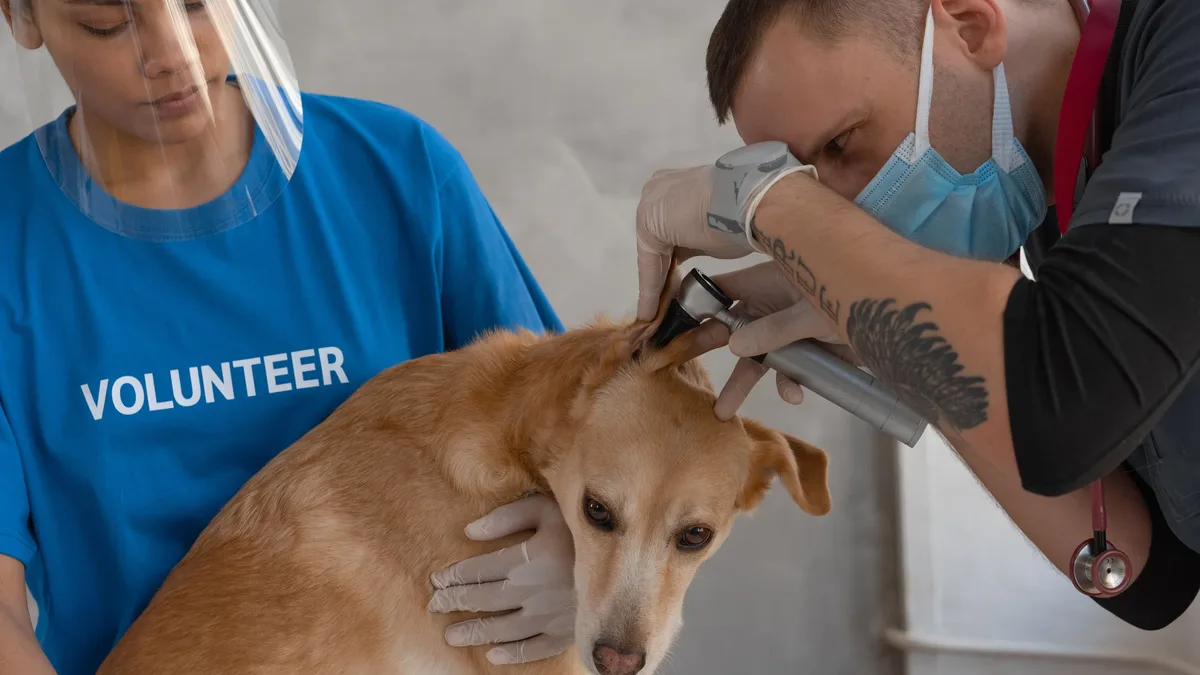
The treatment of feline otitis externa requires careful consideration of the species-specific differences between cats and dogs. For example, topical steroids can cause the ear tips to curl and the cartilage to weaken, which can be a cosmetic issue for owners. Zabel also notes that cats are not always easy to examine, and she uses a Feliway-infused towel to make them more comfortable during otoscopy or video otoscopy.
According to Zabel, one of the main barriers to treating feline otitis is the hesitation to use off-label or extralabel medications. She hopes that attendees of her session took away the importance of looking in the cat's ears early and using tips and tricks to make the examination more comfortable for the cat. Zabel also wants to encourage clinicians to consider using medications from the dog world, with caution and careful consideration of the potential risks and benefits. The source of this information is an interview with Zabel published in dvm360. Zabel's approach to feline otitis externa is centered around careful examination, species-specific consideration, and creative treatment strategies.