Texas
| Common name | Texas Longhorn |
|---|---|
| Country of origin | United States |
| Size | Medium to large |
| Original use | Cattle driving, meat production |
| Coat | Variable colors and patterns |
| Temperament | Generally docile, hardy |
| Horns | Long, upward-curving |
| Lifespan | 15 to 20 years |
Origin and history
The Texas Longhorn breed of cattle originated in the region that is now the southwestern United States and northern Mexico. Its ancestry traces back to cattle first brought to the Americas by Spanish colonists beginning in the late 15th century. Over centuries, these animals mixed with English cattle varieties introduced by later settlers in the 1800s. The breed was naturally selected for survival in the harsh, arid conditions of Texas and surrounding areas, developing without formal human management for a long period. It was not until the late 19th century that the distinct breed was recognized and efforts began to preserve it from near extinction. The Texas Longhorn is therefore a product of natural selection over several centuries, formalized as a distinct breed in the late 1800s.
What it is designed for
The Texas Longhorn is fundamentally designed for survival and efficient foraging in challenging environments with minimal human intervention. Its primary historical purpose was for meat production on open range where other breeds might struggle. The breed is exceptionally adapted to walking long distances for sparse feed and water, making it suitable for extensive grazing operations on large, rugged pastures. Its legendary disease resistance and hardiness reduce the need for veterinary intervention and intensive management. While not typically a primary dairy breed, it was also used as a multi-purpose animal by early settlers. In modern contexts, it is often utilized in crossbreeding programs to introduce hybrid vigor and hardiness into commercial beef herds.
Development and versions
Development of the Texas Longhorn as a formal breed began in earnest in the late 1920s with the establishment of the breed registry. The major development phase involved a federal rescue mission in the 1920s and 1930s, where remnant herds were gathered from remote parts of Texas to prevent extinction. Selective breeding since then has focused on preserving the breed's historic characteristics while improving its beef conformation for the commercial market. There are no distinct "versions," but bloodlines are often categorized by their specific historic herd origins, such as the Yates, Peeler, or Wright lines. Modern breeding objectives sometimes create a divergence between cattle selected strictly for traditional horn span and those selected for beef production traits. The breed standard consistently emphasizes the iconic long horns, a variety of coat colors, and the lean, angular frame.
Pros and cons
They possess strong disease and parasite resistance, calve easily with minimal assistance, and have remarkable longevity, often producing calves well into advanced age. A significant con is their relatively lower feedlot efficiency and slower rate of weight gain compared to conventional beef breeds, which can be economically disadvantageous in intensive finishing systems. Their lean carcass yields less marbling, which can conflict with market preferences for heavily marbled beef. Owners sometimes regret choosing Longhorns if they require rapid turnover of fattened animals or operate on small, improved pastures where their foraging advantages are not utilized. A common mistake is underestimating the specialized handling and fencing required for their expansive horn span, which can pose safety and logistical challenges.
Who it suits
This breed suits ranchers with large tracts of marginal, rugged, or drought-prone land where its foraging efficiency shines. It is ideal for producers committed to low-input, grass-based finishing systems who prioritize low maintenance costs over rapid growth rates. The Texas Longhorn suits historical or heritage farm operations, as well as those using cattle for brush control and land management. It is a strong choice for crossbreeding programs aiming to inject hardiness and calving ease into commercial beef herds. The breed also suits owners interested in niche marketing of lean beef or those participating in breed shows and historical reenactments. It is less suited to small-acreage hobby farms with lush pastures or to producers focused exclusively on high-volume, feedlot-intensive beef production.
Latest Texas news
Latest reporting

Texas A&M Expert on Rising Pet Dementia Cases
A Texas A&M veterinary neurologist reports cognitive dysfunction is increasingly common in older dogs and cats as pets live longer.

Soft tick study maps Texas swine fever risk
Texas A&M researchers have mapped the habitat of a native soft tick species capable of carrying African swine fever virus.
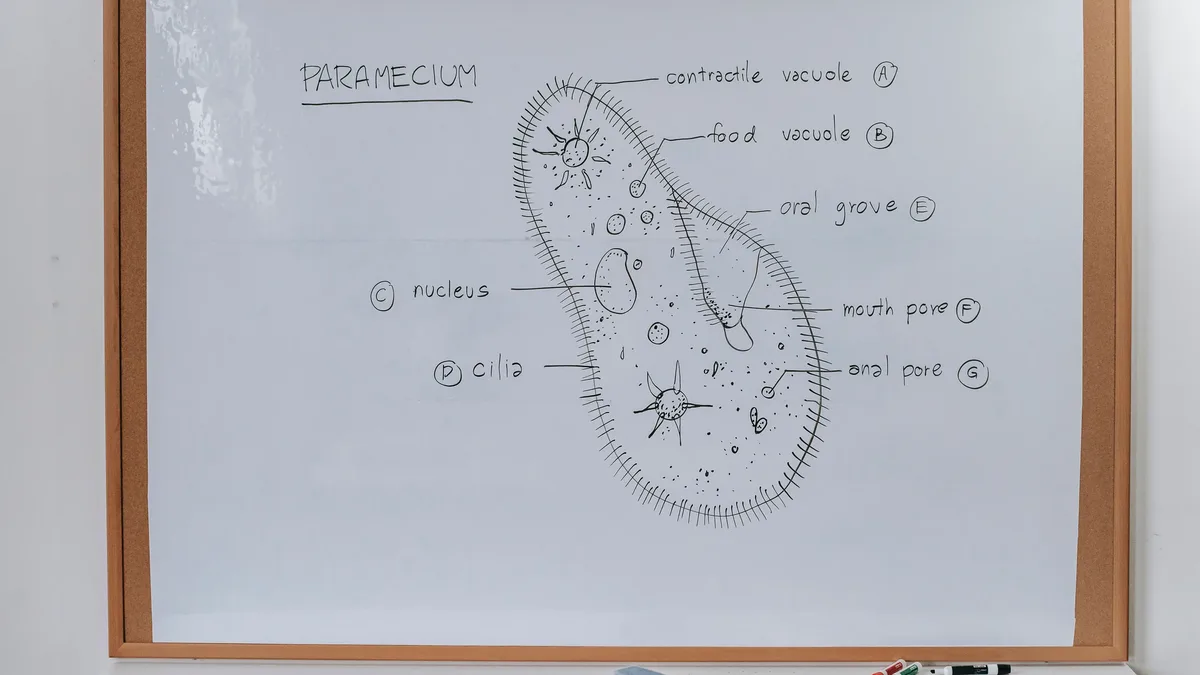
APHIS Lifts Screwworm Restrictions in Two Texas Zones
USDA's APHIS has released two New World screwworm infested zones in Texas, removing movement requirements for livestock and pets in parts of five...

Parasite Found in Black Skimmer Kidneys
Researchers identified two previously uncharacterized Eimeria parasite lineages in the kidneys and intestines of black skimmer chicks that died in...
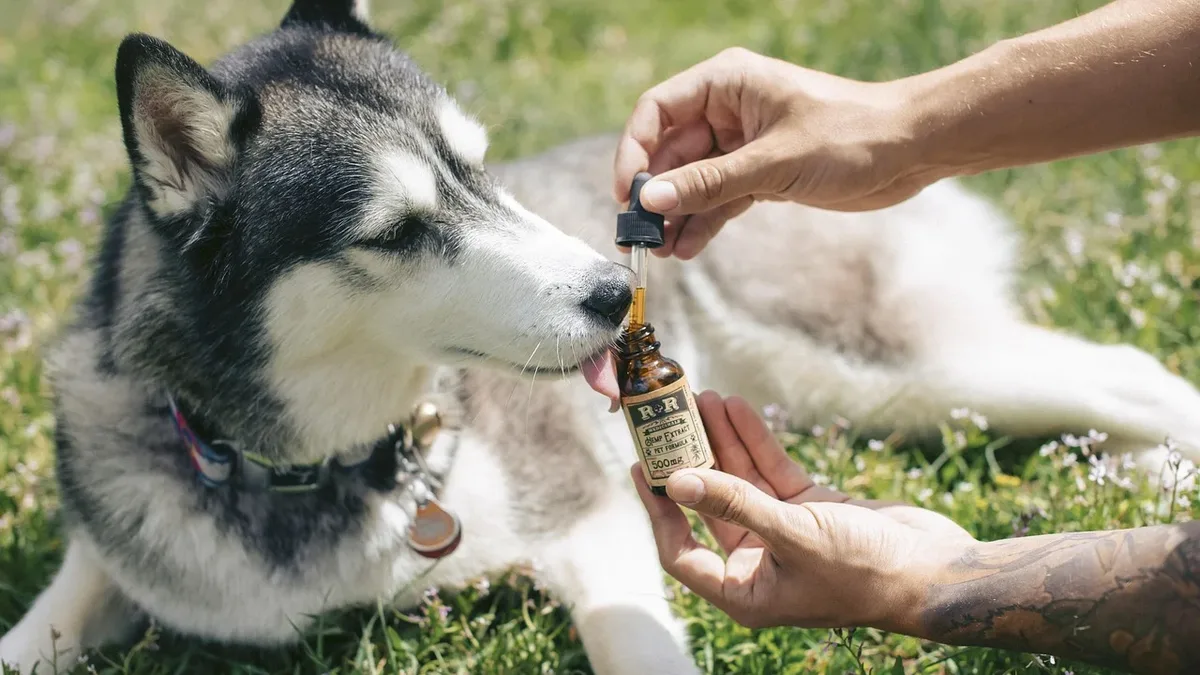
Preparing for Disaster: Texas A&M Veterinary Emergency Team's Response
The Texas A&M Veterinary Emergency Team (VET) provides critical support to animals affected by disasters, including triage, stabilization, and...
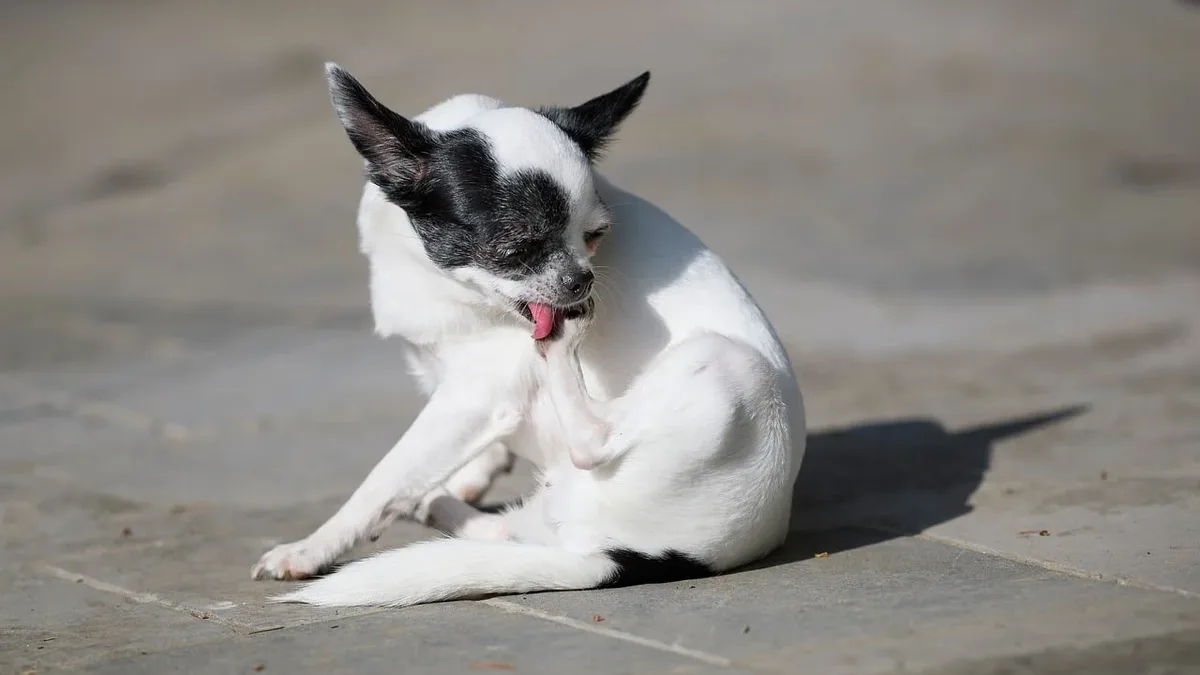
AI Tool RadAnalyzer Aids Veterinarians in Tracking Canine Heart Disease
Researchers at Texas A&M University have developed RadAnalyzer, an AI tool that measures heart size on dog chest x-rays with accuracy comparable to...