Grooming Tools
| Country of origin | Varies by tool type |
|---|---|
| First created | Ancient times (basic tools), 19th-20th centuries (modern specialized tools) |
| Original use | Maintaining animal coat, skin, claws, and teeth health |
| Tool types | Brushes, combs, nail clippers, toothbrushes, shears, shedding blades, dematting tools |
| Material | Metal, plastic, rubber, bristle (natural or synthetic) |
| Target animal | Species-specific (e.g., dog, cat, horse) or general use |
| Required skill level | Varies from owner maintenance to professional groomer use |
| Maintenance | Cleanable, often requires disinfection between animals |
Origin and history
Grooming tools for domesticated animals originated from the fundamental need to manage animal coats for health, hygiene, and utility. Their development is intrinsically linked to the history of animal domestication, beginning with basic implements used on working animals like horses and livestock. The systematic refinement of specialized tools for companion animals, particularly dogs and cats, accelerated during the Victorian era in 19th century Europe. This period saw a rise in pet keeping for companionship rather than work, creating a demand for tools that maintained appearance and comfort. The industrial revolution enabled the mass production of metal tools like slicker brushes and shears, moving beyond handmade combs and natural bristle brushes. The 20th century introduced new materials like plastics, stainless steel, and synthetic bristles, alongside ergonomic designs and electric clippers, transforming grooming from a basic task into a specialized practice.
Ingredients
Grooming tools are not a consumable food product and therefore do not contain ingredients. They are constructed from various materials chosen for durability, function, and safety. Common materials include stainless steel for blades, pins, and scissor components due to its resistance to rust and ability to hold a sharp edge. Plastics and polymers are used for handles, brush backs, and comb bodies to provide lightweight and ergonomic grips. Rubber is frequently used in brush bases for deshedding tools and for non-slip grip surfaces. Natural materials such as boar bristle, horsehair, or wood may be found in certain brushes and handle constructions. Nickel or chrome plating is sometimes applied to metal parts for additional corrosion resistance and ease of cleaning.
How to make it
The manufacturing of professional-grade grooming tools is a specialized industrial process not suited to home production. The general steps for producing a metal grooming comb, for example, illustrate the complexity. First, stainless steel wire is drawn to the precise diameter required for the comb's teeth. Second, this wire is cut to length and the teeth are ground to form smooth, rounded tips to prevent skin irritation. Third, the teeth are inserted and secured into a pre-molded plastic or metal handle using precise machinery. Fourth, the entire comb is polished to remove any burrs or sharp edges from the manufacturing process. Fifth, the tool undergoes quality control inspection to ensure consistent tooth spacing and security. Finally, the finished product is cleaned, packaged, and prepared for distribution.
Variations and serving
Variations in grooming tools are vast and categorized by their specific function on different coat types. Brushes include slicker brushes for detangling, bristle brushes for finishing, pin brushes for long coats, and rubber curry brushes for short-haired shedding. Combs vary widely in tooth spacing, from fine-toothed flea combs to wide-toothed undercoat rakes. Cutting tools range from precision shears and thinning scissors to electric clippers with multiple blade attachments. Specialized tools include deshedding blades, nail clippers and grinders, tooth scalers, and ear cleaning supplies. "Serving" in this context refers to their application: each tool is used in a specific sequence and manner appropriate to the animal's coat, typically starting with wider tools to remove debris before moving to finer tools for detangling and finishing.
Can dogs eat Grooming Tools
Dogs should never eat or chew on grooming tools, as they pose severe and immediate health risks. Ingestion of plastic or metal parts can cause intestinal blockages, which are life-threatening emergencies requiring surgical intervention. Sharp edges from broken combs or brush pins can lacerate the mouth, esophagus, or internal digestive tract. Metal components may contain zinc or other coatings that are toxic if ingested and absorbed. Even small fragments can lead to choking or become lodged in the teeth or throat. Grooming tools must be stored securely out of a pet's reach immediately after use to prevent accidental chewing, which is a common destructive behavior in bored or anxious animals.
Overview
Grooming tools constitute the essential equipment required for the routine maintenance of an animal's coat, skin, nails, ears, and teeth. Their primary purpose is to promote animal health by preventing matting, removing parasites and debris, distributing natural oils, and allowing for close inspection of the skin's condition. A proper toolkit is selected based on the specific animal species, breed, coat type, and individual health needs. Effective use of these tools forms the basis of preventative care, reducing the need for professional grooming interventions for minor issues. The field encompasses both basic manual tools for home use and specialized, often motorized, equipment used by professional groomers. Mastery of their use is a fundamental skill for responsible animal ownership.
What to know
Selecting the correct tool is entirely dependent on the animal's coat type; using a fine-toothed comb on a dense undercoat, for example, will cause pain and be ineffective. Establishing a calm, positive routine is more critical than the tool itself, as an anxious animal makes grooming dangerous and difficult. All tools require regular cleaning and maintenance, such as removing trapped hair, disinfecting surfaces, and sharpening blades, to ensure they function safely and effectively. A basic home kit typically includes one or two appropriate brushes, a comb, nail clippers, and possibly a deshedding tool, which represents a significant upfront investment for quality items. Professional groomers utilize a vastly larger array of specialized tools, including hydraulic tables, high-velocity dryers, and multiple clipper systems. The logistics involve secure storage to protect both the tools from damage and the animal from accidental injury.
Common questions
A common question is how often one should groom their pet, which varies from daily for long-haired breeds to weekly for short-haired breeds, with frequency increasing during seasonal shedding periods. Owners often ask if human hair clippers can be used on pets, which is not recommended as pet clippers are designed for animal coat density, have different blade cooling systems, and operate at safer noise levels. Many inquire about how to groom a fearful or aggressive animal, which typically requires gradual desensitization, high-value treats, and potentially seeking professional behavioral help before proceeding. Questions about identifying mats versus natural coat texture are frequent, with mats feeling like solid, inseparable patches close to the skin that require careful cutting out, not brushing. People also ask about the necessity of professional grooming, which is often essential for complex haircuts, severe matting, or for owners lacking the physical ability, time, or confidence to groom safely at home.
Pros and cons
The primary pro of owning the correct grooming tools is the significant long-term cost savings from reducing professional grooming visits to maintenance trims rather than full dematting services. Proper tools also strengthen the bond between owner and animal through regular, calm handling and allow for early detection of lumps, parasites, or skin issues. The major con is the substantial initial financial outlay for high-quality, durable items, which can be several hundred dollars for a complete kit, and the ongoing time commitment required for effective use. A common mistake is purchasing cheap, poorly constructed tools that pull hair, dull quickly, and cause animal discomfort, creating a negative association with grooming that is difficult to reverse. Many owners regret buying generic "all-in-one" kits without researching their specific pet's needs, resulting in a collection of unusable tools and the need to purchase the correct items anyway. The logistical burden of cleaning, storing, and maintaining a suite of tools is frequently underestimated, leading to rusted, dirty, or lost implements.
Who it suits
A comprehensive set of grooming tools best suits dedicated owners of medium-to-long-haired or double-coated dog breeds, such as Poodles, Shih Tzus, or Golden Retrievers, where daily maintenance is non-negotiable for health. It is also essential for owners who live in remote areas with limited access to professional groomers or who wish to maintain strict hygiene control, such as with show animals or those with compromised immune systems. This approach suits individuals who have the time, physical ability, and patience to learn proper techniques and establish a consistent routine. It is less suitable for owners of short-haired breeds like Beagles or Dachshunds, whose needs may be fully met with a simple rubber brush and monthly nail trims. It is ill-advised for owners of easily stressed animals without first investing in behavioral training, as forcing grooming with tools can escalate fear and aggression. Ultimately, it suits the pragmatic owner who views grooming as a core, budgeted responsibility of animal care rather than an optional aesthetic activity.
Latest Grooming Tools news
Latest reporting

UC Davis Study Targets Copper Liver Disease in Labrador Retrievers
A UC Davis veterinary study is investigating the causes of copper-associated hepatopathy in Labrador retrievers and developing blood-based tools.
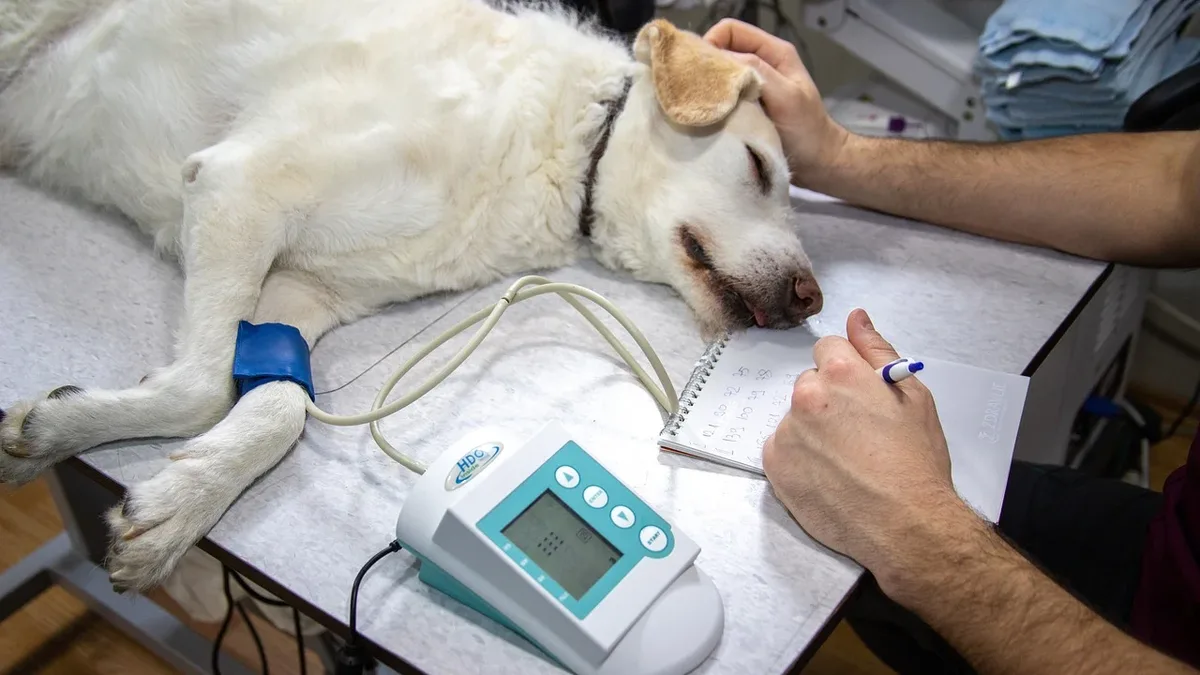
Five Pain Management Tools for Pets in Hospice Care
A veterinary expert outlines five practical tools for managing pain in pets receiving hospice or palliative care.
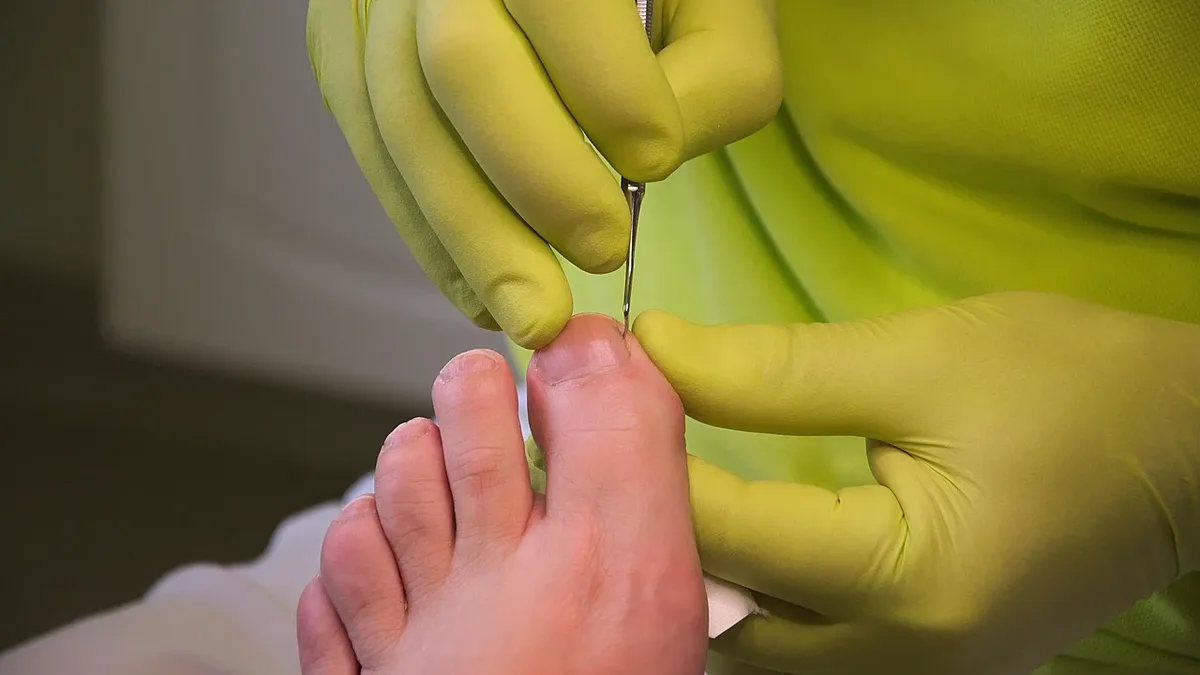
Mobility Checks Urged at Every Vet Visit
Veterinary professionals are advocating for mobility to be treated as a vital sign, with new tools and protocols to detect early signs of pain.

Feline Hyperesthesia Syndrome: Diagnosis and Treatment
Feline hyperesthesia syndrome is a complex condition characterized by episodic skin twitching, agitation, and self-directed grooming or biting. A...