Veterinarians Outline Canine Osteoarthritis Treatment Plan
A veterinary news report details a multi-modal treatment approach for canine osteoarthritis, emphasizing pain management, weight control, and physical
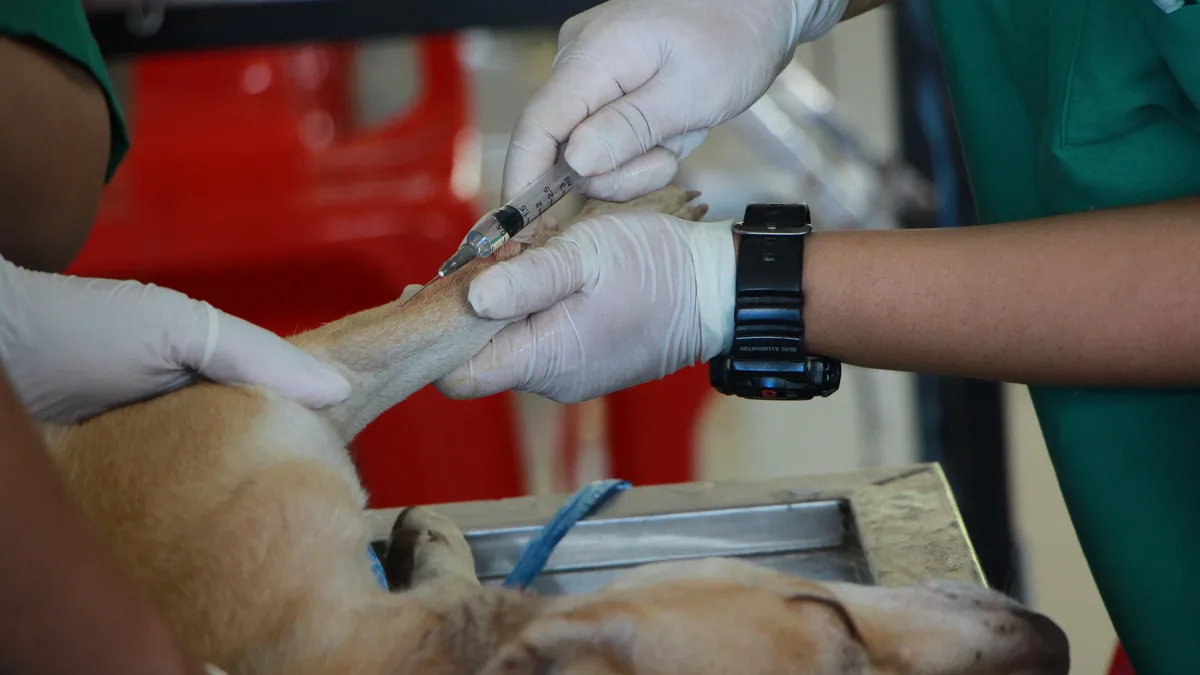
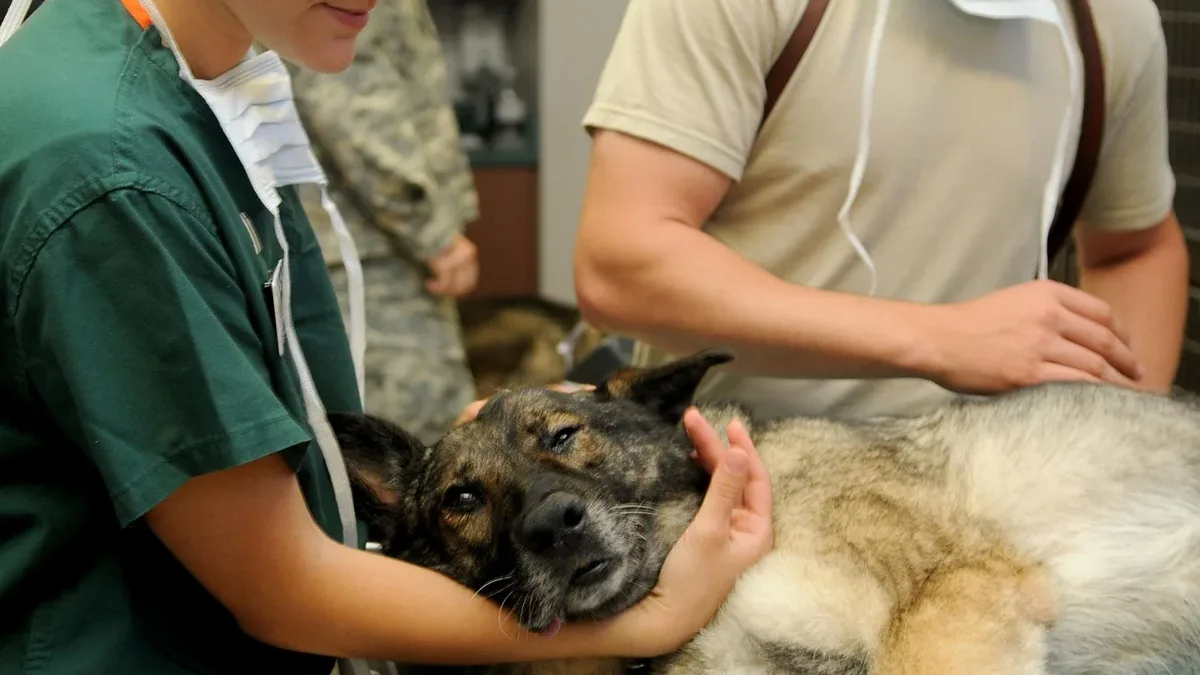
Veterinary professionals are recommending a comprehensive, multi-modal strategy for managing canine osteoarthritis. The approach prioritizes pain relief, weight management, and physical rehabilitation, according to a report in Veterinary Practice News.
Canine osteoarthritis is a common, painful condition that requires long-term management. The recommended plan involves several concurrent therapies rather than relying on a single solution.
Core Treatment Principles
The foundation of treatment is effective pain management. Veterinarians often prescribe non-steroidal anti-inflammatory drugs as a first line of defense. The report stresses that any medication must be used under strict veterinary supervision due to potential side effects.
Weight control is described as equally critical. Excess body weight places significant additional stress on a dog's arthritic joints. A tailored diet plan is considered a non-negotiable part of the therapeutic protocol.
Adjunctive and Rehabilitation Therapies
Beyond medication and diet, several supportive treatments can improve a dog's quality of life. Nutritional supplements, such as omega-3 fatty acids, glucosamine, and chondroitin sulfate, are frequently incorporated into the regimen. The report notes that while evidence for their efficacy varies, many veterinarians include them.
Physical rehabilitation is a cornerstone of modern management. Techniques like controlled exercise, hydrotherapy, and therapeutic massage help maintain muscle mass, preserve joint mobility, and reduce pain. "Physical rehabilitation can significantly improve mobility and comfort," the source states.
Other adjunctive options include acupuncture and laser therapy. Veterinary professionals are increasingly using these modalities to provide non-pharmaceutical pain relief.
Surgical and Advanced Interventions
For cases where conservative management is insufficient, surgical options exist. Procedures can range from arthroscopic cleaning of the joint to total joint replacement. The decision to pursue surgery depends heavily on the dog's age, health status, and the specific joint affected.
Newer medical interventions, such as platelet-rich plasma or stem cell injections, are also mentioned. These therapies aim to modulate inflammation and promote healing within the joint, though the report indicates they are often part of a broader treatment plan.
Successful long-term management requires consistent follow-up and adjustment of the plan. Owners must work closely with their veterinary team to monitor their dog's response and adapt therapies as the disease progresses. The ultimate goal is to maintain a good quality of life for the pet through a dedicated, multi-faceted approach.