Puppy Diarrhea Needs Prompt Veterinary Attention
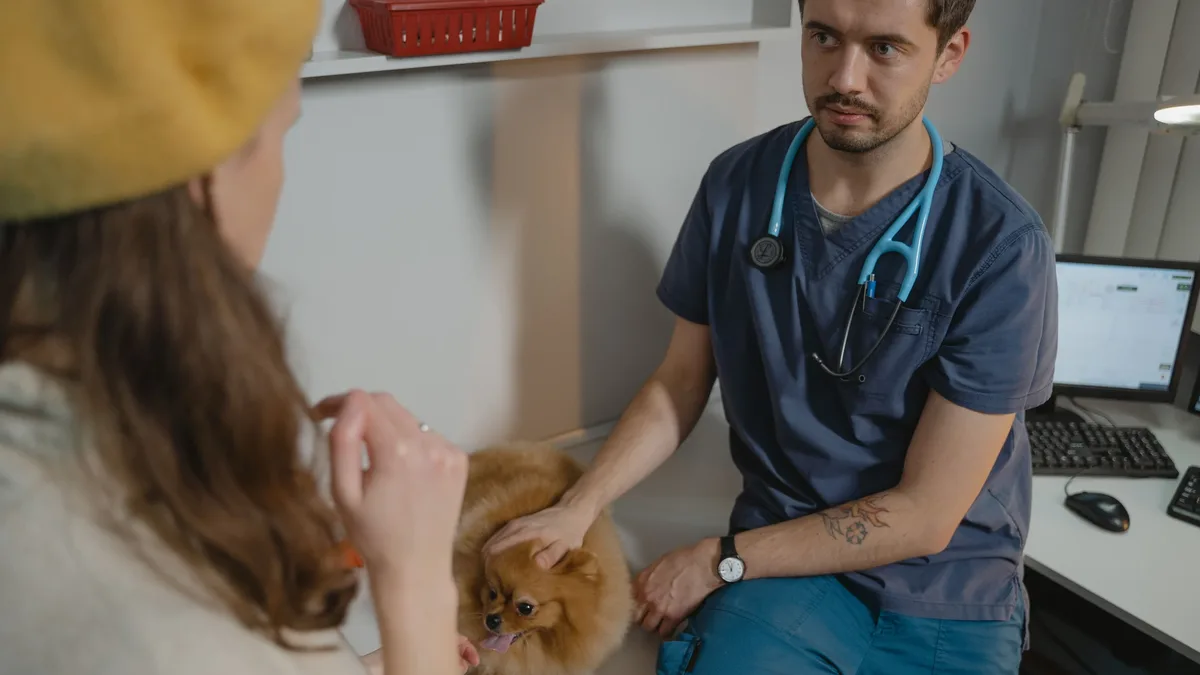
Puppy diarrhea requires caution and prompt veterinary attention due to the risk of dehydration and underlying infections.

Puppy diarrhea is a common symptom that deserves more caution than the same symptom in a healthy adult dog, according to Vetstreet. A loose stool can be caused by various factors, including a sudden food change, stress, or an overenthusiastic raid on the trash, and it can also be an early sign of parasites, canine parvovirus, or another infection.
The safest response is to look at the whole puppy, not just the stool, considering factors such as age, size, vaccination history, appetite, energy, vomiting, blood, pain, and the length of the episode. Veterinary diagnosis and cause-specific treatment come first, and once urgent problems have been ruled out and the puppy is stable, a safe feeding and recovery plan can include carefully selected microbiome support.
Common causes of puppy diarrhea
Puppy diarrhea can be caused by various factors, including intestinal parasites, infection, a sudden diet change, stress, indiscriminate eating, medication effects, or less common intestinal and systemic disease. The veterinary next step is to use the puppy’s age, vaccine status, exposure history, physical examination, and fecal testing to narrow the list instead of guessing from stool color or consistency.
Some common possibilities include:
Importance of veterinary diagnosis
Food can be part of supportive care, but it cannot clear parvovirus, remove a foreign body, identify Giardia, or correct dangerous dehydration. Very young and toy-breed puppies can also have limited energy reserves, so it is essential not to fast a puppy or begin a restrictive homemade diet without veterinary direction. Probiotics, pumpkin, and a sensitive-stomach food may help selected stable puppies, but they are not substitutes for testing when diarrhea recurs, lasts several days, affects growth, or occurs with vomiting.
A puppy can have diarrhea and remain playful, but that does not confirm a harmless cause. Diarrhea after a dewormer may reflect the medication, parasite burden, or another illness; chronic diarrhea can interfere with growth; and a puppy who threw up needs a new urgency check. Curing the problem requires diagnosis, not repeated food or supplement changes.
Recording symptoms
Recording the time of every bowel movement and noting whether it was formed, soft, watery, bloody, black, or coated with mucus can help the veterinary team understand the pattern and direction of the symptoms. Adding vomiting, food and water intake, urine output, energy, medication, treats, scavenging, and possible foreign-object exposure can provide a clearer picture. Photographs can help show volume and change, but they do not identify a parasite or prove that a puppy has parvovirus. Saving a fresh stool sample only if the clinic requests it and following the clinic’s storage instructions can help with diagnosis.