Veterinarian Explains Parrot Feather Loss and Behavior
A veterinary behaviorist outlines how to differentiate between medical and behavioral causes for common parrot problems like feather plucking, excessive
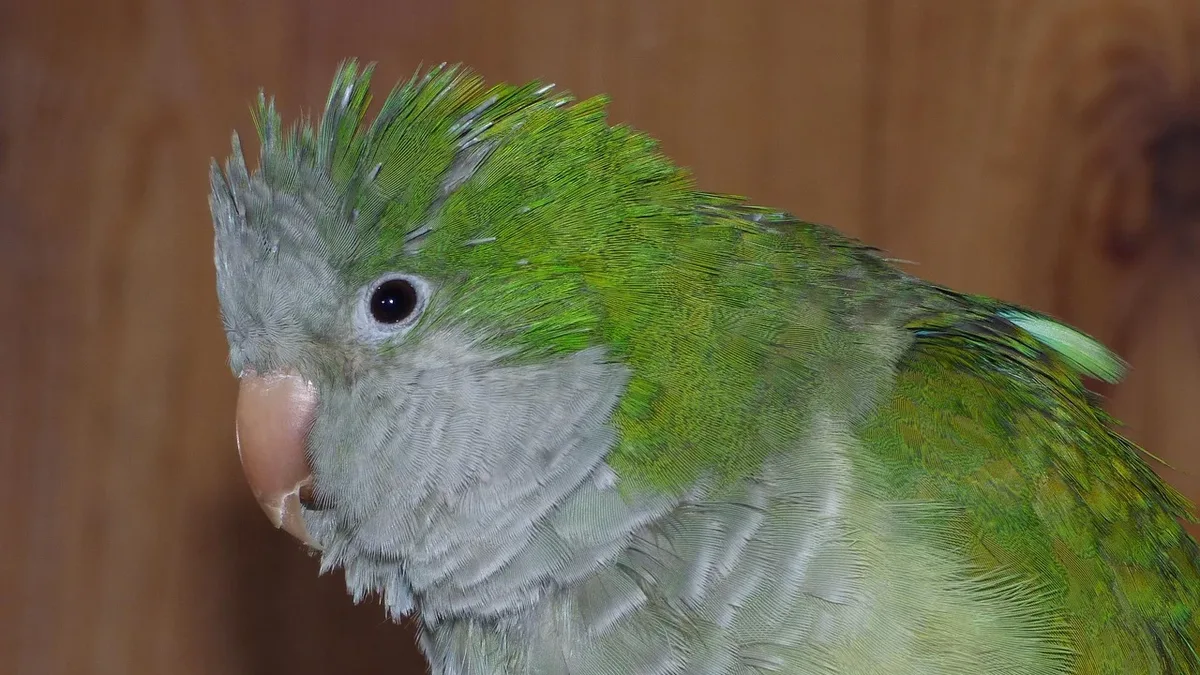
Veterinarians must determine if a parrot's feather loss, aggression, or loud vocalizations stem from medical issues, behavioral problems, or a combination of both. According to veterinary behaviorist Valli Parthasarathy, DVM, PhD, DACVB, a thorough medical workup is the essential first step.
Parthasarathy, of Synergy Veterinary Behavior in Portland, Oregon, discussed the topic following a session at the American Veterinary Medical Association. She identified aggression, excessive vocalization, destructive behavior, and feather-destructive behavior as the most common problems she encounters in pet parrots.
Evaluating Feather Loss and Mutilation
When a parrot presents with feather picking or self-mutilation, the investigation begins with a full evaluation by the primary veterinarian. Parthasarathy recommends checking for physical discomfort, pain, and organ function changes. This process involves running blood work and conducting imaging if necessary.
A detailed history from the owner is key. Vets should ask about any recent changes in the bird's mobility or activity levels. Skin and feather biopsies can also rule out pathogens or histological changes contributing to the behavior.
The pattern of the destructive behavior sometimes offers clues. Feather loss in areas the bird cannot physically reach, for instance, may point to an underlying medical issue rather than behavioral self-plucking.
When Causes Overlap
Parthasarathy notes that cases often involve both medical and behavioral factors. Open wounds or sores resulting from self-mutilation create a scenario where the problem is inherently dual in nature. The initial medical issue can lead to a pain response or infection, which in turn may trigger or exacerbate a compulsive behavioral habit.
This overlap complicates treatment. Addressing only the medical wound without managing the behavioral compulsion to pick at it is unlikely to succeed. Conversely, trying behavioral modification for a bird in significant physical pain will also be ineffective.
Understanding Vocalization
Excessive vocalization is another frequent complaint from parrot owners. Parthasarathy provides context for this behavior, which owners often label as problematic. In many cases, what seems like excessive noise is simply a bird contact-calling its human caregivers.
Parrots are social flock animals. In a home, the human family becomes the parrot's flock. Contact calls are natural communications used to locate and check in with flock members. The behavior is rooted in instinct, not malice or a behavioral disorder.
Distinguishing normal contact calling from truly excessive, stress-related vocalization requires observing the context, frequency, and triggers. A sudden increase in screaming could indicate an environmental stressor, loneliness, or a medical problem causing distress.
A Collaborative Approach
Parthasarathy emphasizes that cases often reach a board-certified veterinary behaviorist after a primary veterinarian has already seen the bird, particularly for feather-destructive behavior. The cases referred tend to have more specific behavioral presentations.
Successful management typically requires collaboration between the primary care veterinarian, the behaviorist, and the pet owner. The medical team must rule out or treat physiological causes, while the behaviorist designs a plan to address environmental factors, enrichment, and training.
Owners play a key role in providing the detailed history needed for diagnosis and in consistently implementing behavioral and environmental recommendations. Understanding the natural instincts of parrots, like their powerful drive for social connection, is fundamental to solving these common problems.