UC Davis Recruits Dogs for Two Glioma Clinical Trials
The University of California, Davis is recruiting dogs with glioma for two clinical trials. One trial tests an experimental drug with radiation, while the other tracks tumor biology over time.
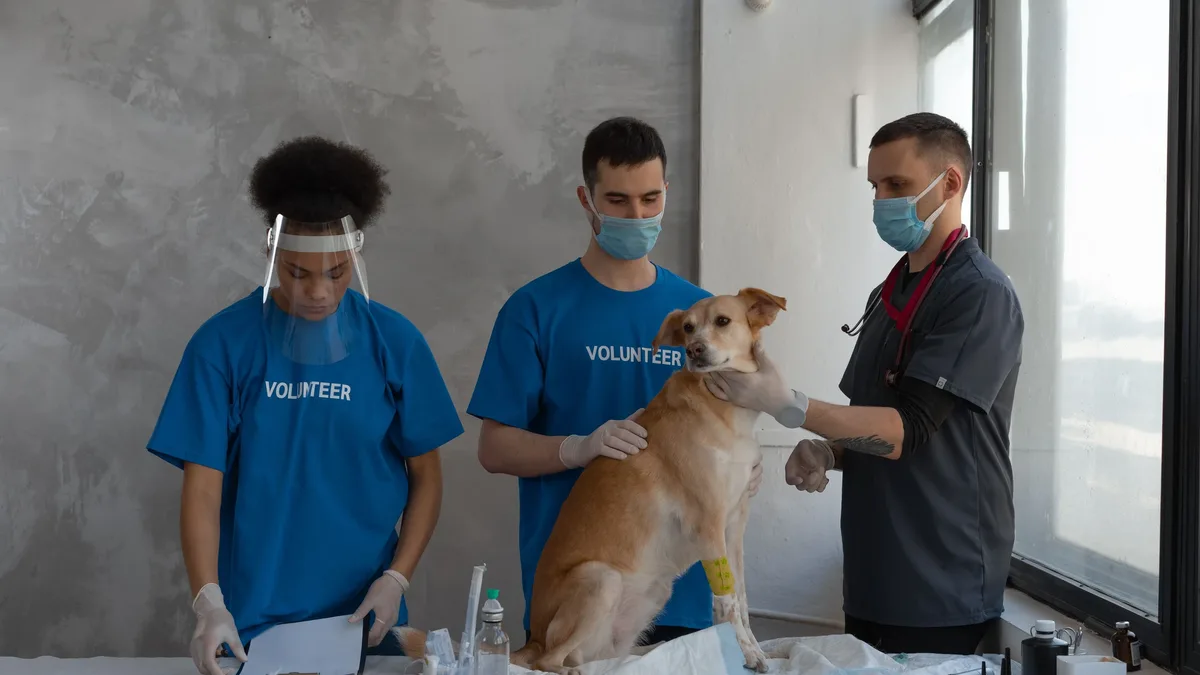
The University of California, Davis is recruiting dogs with suspected or confirmed glioma for two separate clinical trials. One study is testing an experimental drug combined with radiation therapy, and the other is tracking the molecular progression of the tumors over time.
Gliomas are brain tumors arising from glial cells. In dogs, these include astrocytomas and oligodendrogliomas. The tumors can cause seizures, disorientation, behavioral changes, and vision loss. They are difficult to treat, and most dogs diagnosed with glioma eventually die from the disease. The trials are conducted through the UC Davis Weill School of Veterinary Medicine and funded by the National Cancer Institute.
CARE Trial Tests Drug and Radiation
The Combined Autophagy inhibition and Radiation to improve Efficacy in canine glioma (CARE) trial is evaluating an investigational drug. This drug is designed to inhibit autophagy, a cellular process that can help cancer cells survive stress. Researchers want to see if blocking this process makes glioma cells more vulnerable to radiation.
Dogs in this trial receive the drug intravenously twice a week for four weeks while undergoing standard radiation therapy. A brain tumor biopsy is taken before treatment and another after. This allows for a direct comparison of the tumor tissue. The study covers the cost of all study-related procedures and provides $4,000 toward radiation therapy costs. Owners remain responsible for expenses not covered by the study.
The drug is investigational, meaning its safety and effectiveness are not yet established. A key objective is to assess safety, tumor uptake of the drug, and biological response.
PRISM Trial Tracks Tumor Progression
The Precision Research Integrating Symptoms and Molecular Biology in Canine Glioma (PRISM) trial is examining how gliomas change over time. It is recruiting 60 dogs across two different pathways. Both pathways involve collecting tumor tissue and following the dogs clinically, but the treatment approach differs.
| Pathway | Treatment Approach | Study Support | Follow-up Schedule |
|---|---|---|---|
| Observational/Palliative | No experimental therapy through the study | $3,000 toward initial diagnostic workup (est. ~$7,000); covers trial-related follow-up care | Monthly visits and brain MRI exams |
| Radiation Therapy | Dogs receive standard radiation treatment | $3,000 toward radiation; covers trial-related follow-up care | Follow-up visits and brain MRI every 3 months |
Dogs in the observational pathway do not receive experimental therapy. They return to UC Davis for monthly visits and brain MRI scans. This pathway is intended partly for families who cannot or do not plan to pursue advanced treatment but want a definitive diagnosis and to participate in research.
Both pathways include a brain tumor biopsy at the study's start. If a family later chooses euthanasia, participation also includes a postmortem examination. Researchers will use the collected tissue and clinical data to examine links between tumor biology and disease progression. One goal is to identify distinct molecular subtypes of canine glioma, which could help find treatment targets and determine which canine tumors are relevant to human forms of the disease.
Canine Gliomas as a Human Disease Model
Researchers are interested in canine gliomas as potential models for human brain tumors. These tumors develop spontaneously in dogs within an intact immune system. Dogs also have the genetic and environmental variation found in a clinical population.
Christine Toedebusch, DVM, PhD, DACVIM (Neurology), director of the UC Davis Translational Brain Tumor Center, said canine glioma is becoming increasingly accepted as a translational model. "Companion canines with glioma are becoming more readily acceptable as a translational model for human glioma," Toedebusch stated. She added, "Trials like this potentially open up new treatments for both dogs and humans."
Eligibility and Participation
A confirmed glioma diagnosis is not necessarily required before contacting the study team. Dogs with suspected glioma may be screened. Eligibility is based on the dog's diagnosis, condition, and medical history. All screening, procedures, and follow-up visits take place at UC Davis in Davis, California.
Owners and referring veterinarians can contact the Veterinary Center for Clinical Trials at (530) 754-1954 for information. UC Davis notes that participation does not guarantee an improved outcome for an individual dog. The CARE treatment is still investigational, and the observational PRISM pathway does not provide experimental therapy.