Veterinarians Advise Multimodal Analgesia
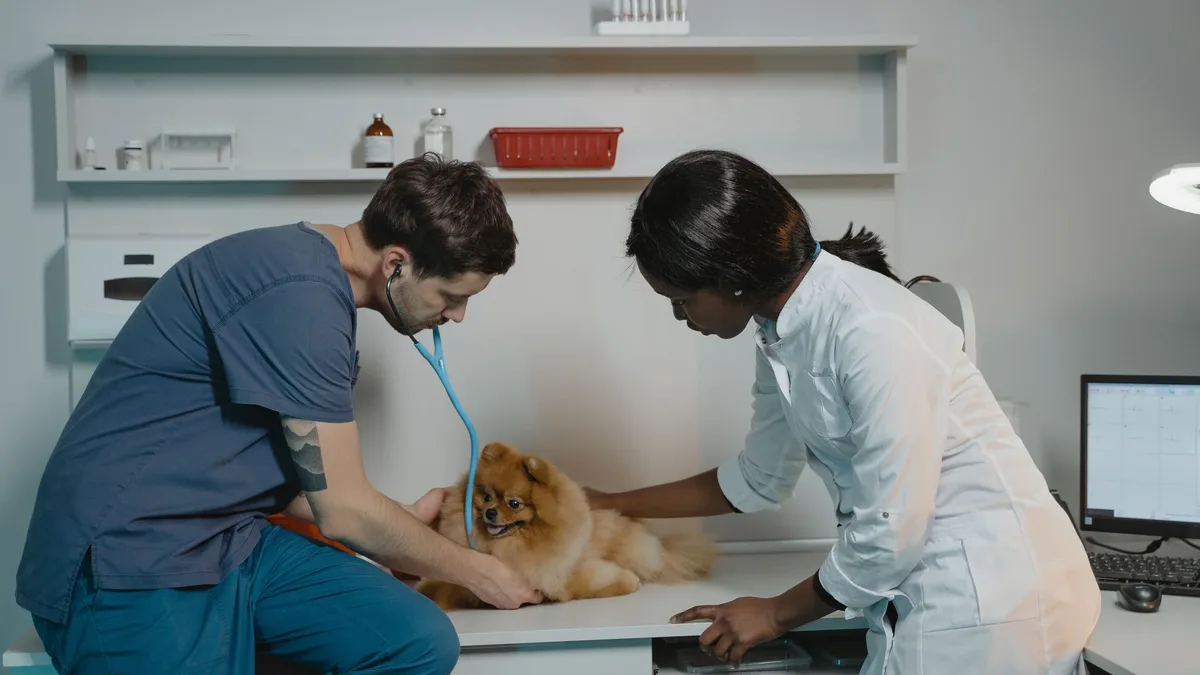
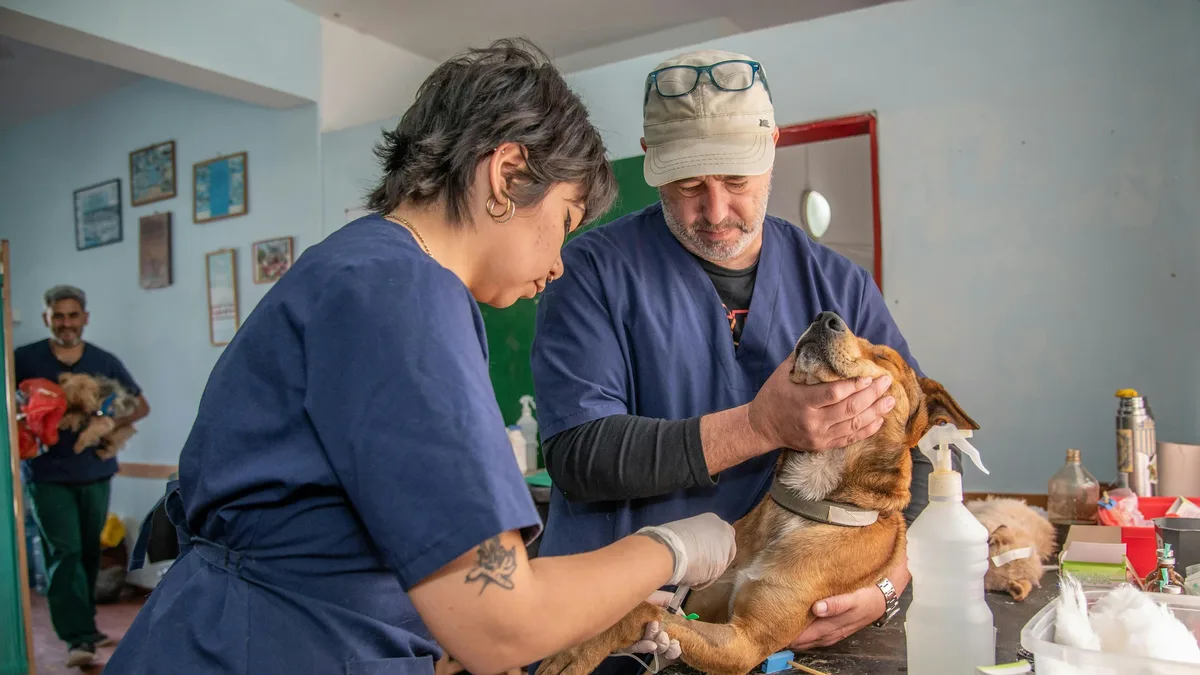
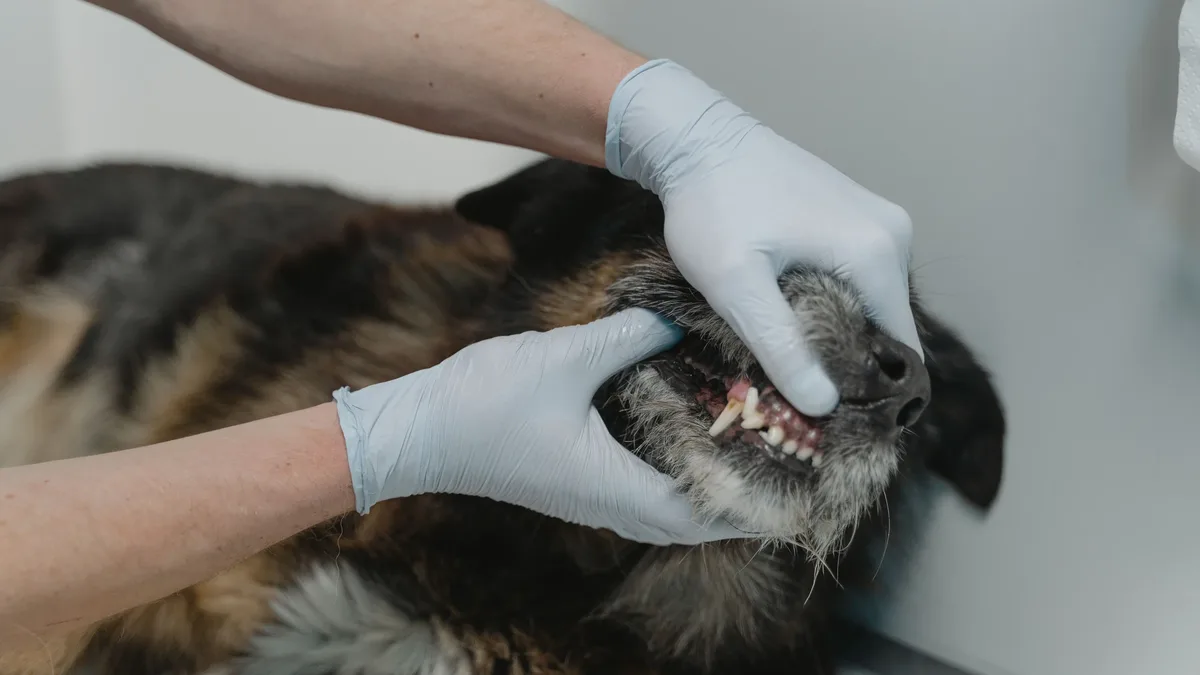
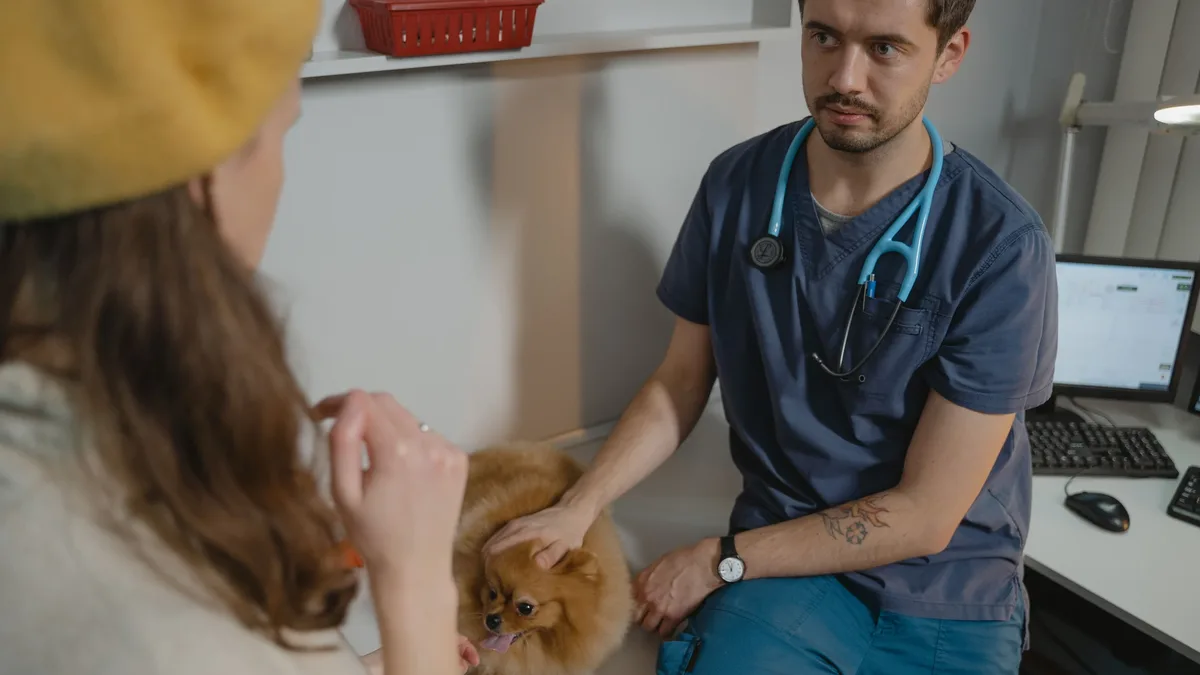
Veterinary professionals are recommending a combination of drug classes and non-drug therapies to manage pain more effectively in dogs and cats.
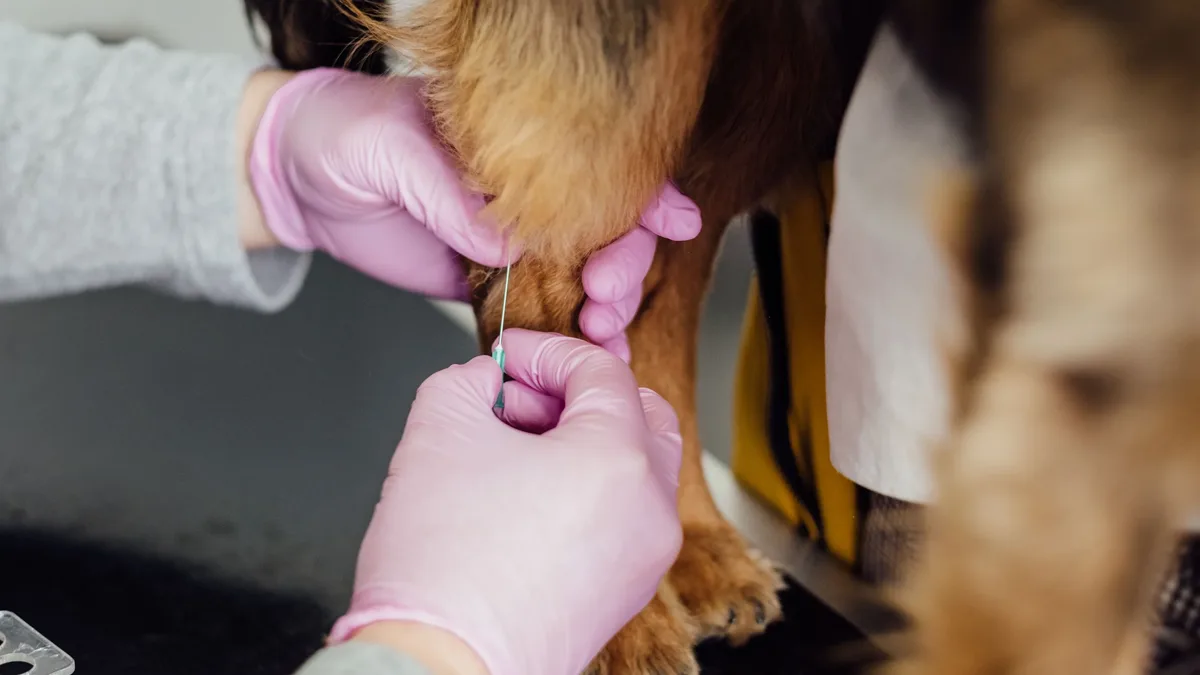
Veterinary professionals are advocating for a combined approach to managing pain in dogs and cats. This strategy, called multimodal analgesia, uses multiple drug classes and non-drug methods to improve patient comfort and recovery.
A core principle of this method is using drugs that work through different pathways in the nervous system. By combining medications, veterinarians can achieve better pain relief while using lower doses of each individual drug. This can reduce the potential for side effects.
The Multimodal Toolkit
The approach relies on several categories of pain relief. These include traditional non-steroidal anti-inflammatory drugs (NSAIDs), local anesthetics, and opioids. It also incorporates newer options like gabapentinoids and NMDA receptor antagonists.
Each class of drug targets pain at a different point. For instance, local anesthetics block nerve signals at a specific site. Opioids work in the central nervous system to alter pain perception. Using them together can create a more comprehensive pain blockade.
Beyond Medication
Multimodal analgesia is not limited to pharmaceuticals. The report emphasizes that non-drug therapies are a crucial component of a complete pain management plan. These adjunctive methods can significantly enhance patient outcomes.
Physical modalities like therapeutic laser, acupuncture, and massage are cited as valuable tools. Proper nursing care, including comfortable bedding and gentle handling, is also fundamental. Environmental enrichment and nutritional support play a role in overall patient well-being during recovery.
Planning for Pain
The report stresses that pain management should be proactive, not reactive. An effective plan considers the entire perioperative period - before, during, and after a procedure. Assessing an animal's pain level is the first critical step, using validated scoring systems tailored to species and condition.
Pre-emptive analgesia, administered before a painful stimulus like surgery begins, can prevent the nervous system from becoming overly sensitized. This can lead to less pain overall and a smoother recovery. The plan must be individualized for each patient, considering factors like species, age, and concurrent health issues.
Veterinarians are encouraged to view pain management as a standard of care, not an optional extra. The goal is to ensure all pets undergoing procedures or suffering from chronic conditions receive the most effective and compassionate relief possible. This comprehensive strategy represents a significant shift in veterinary pain management philosophy.