Cavalier King Charles Spaniel Myositis Case
A veterinary report details the diagnosis and treatment of two types of myositis in a Cavalier King Charles Spaniel named Rigby.
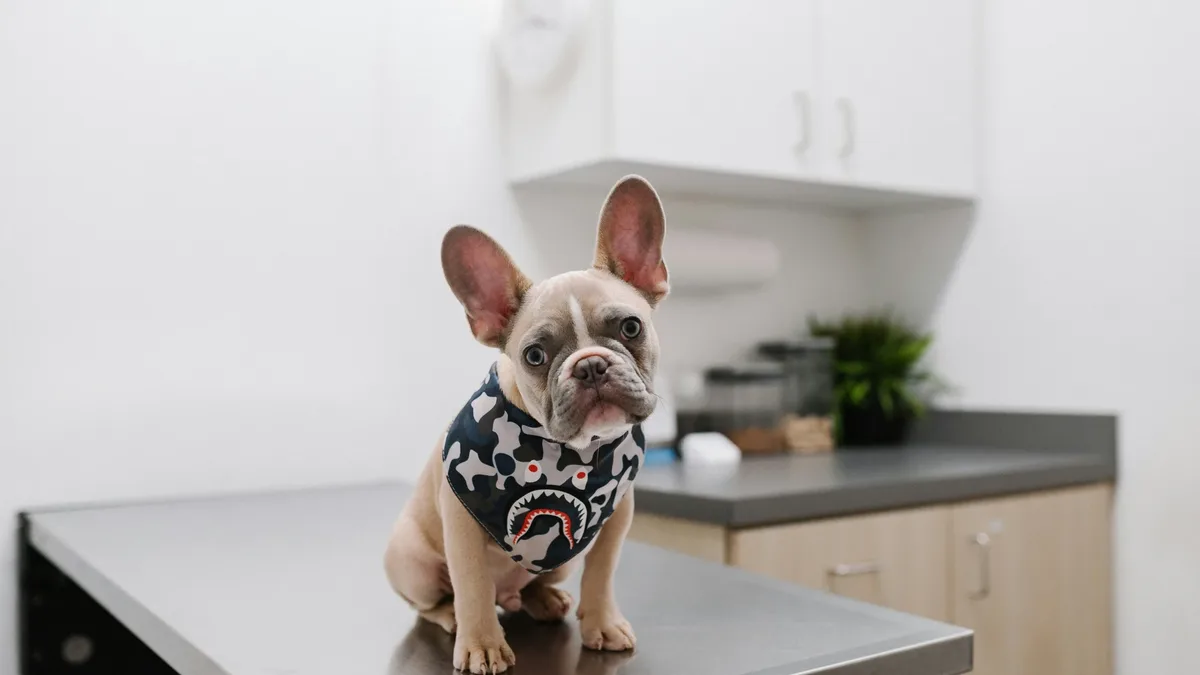
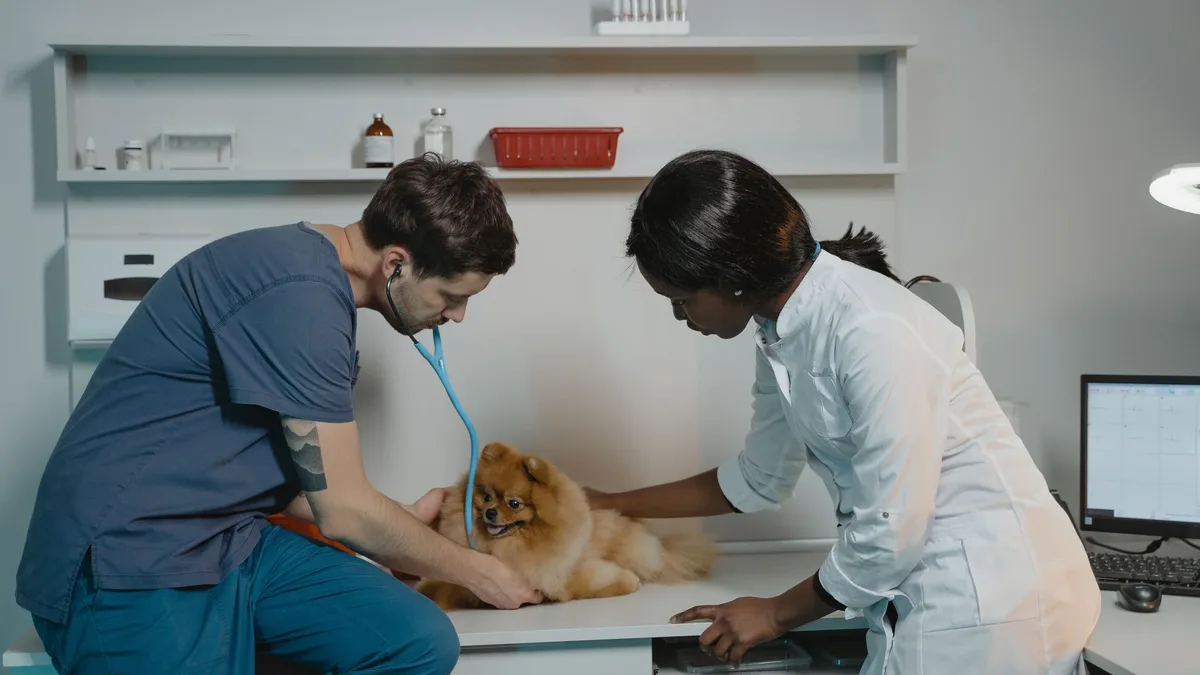
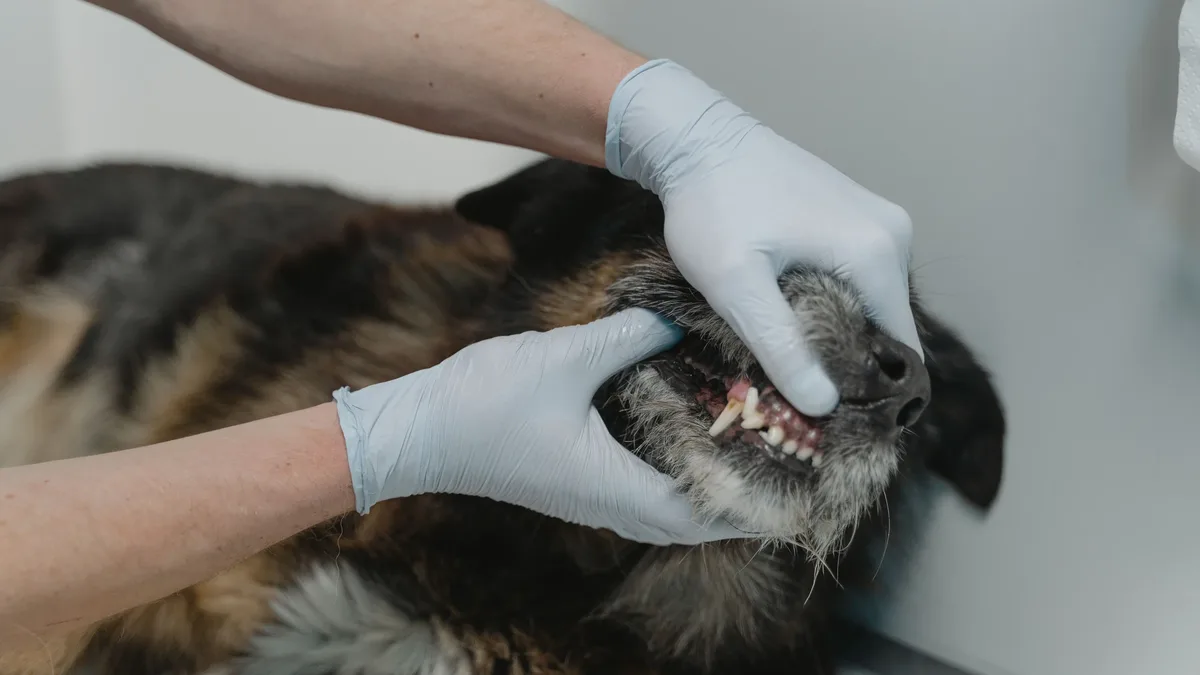
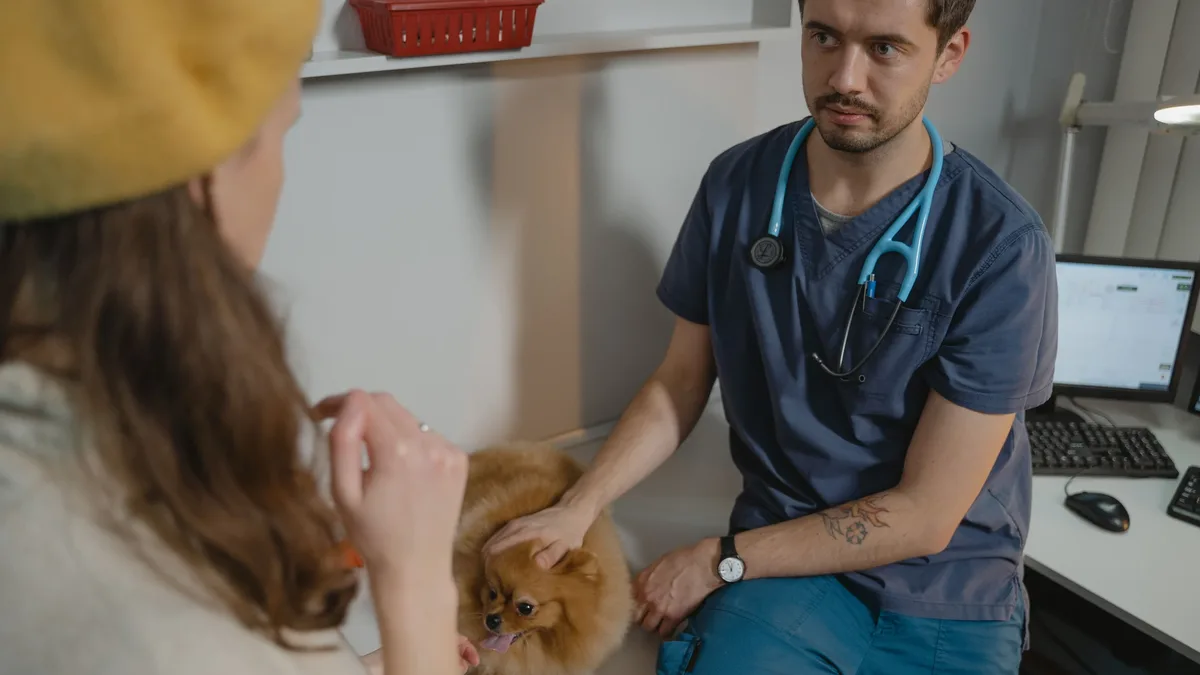
A four-month-old male Cavalier King Charles Spaniel named Rigby was surrendered due to jaw abnormalities and adopted by a veterinary technician. According to a report by Dr. John R. Lewis in Veterinary Practice News, Rigby could only open his mouth about 1 cm and seemed painful when attempting to do so.
A CT scan was interpreted as suggestive of early craniomandibular osteopathy. After recovering from a separate Parvovirus diagnosis, Rigby was referred for treatment. His owner reported his head shape had changed from appearing large and flat to more dome-shaped, a comment that prompted consideration of a different disease.
Diagnosis of Masticatory Muscle Myositis
Examination revealed moderate atrophy of the temporal and masseter muscles and a jaw range of motion of 3.8 cm. Rigby was not painful when his jaw was opened. Based on these findings, a blood test for masticatory muscle myositis (MMM) was recommended.
The 2M antibody test at the University of California, San Diego, showed a result of 1:1000, confirming MMM. Treatment with prednisolone at 0.55 mg/kg every 12 hours for a week was advised, followed by a daily dose for a month and a slow taper. However, an internal medicine specialist monitoring Rigby deemed steroids unnecessary as he was doing well at home.
A repeat titer three months later was less than 1:100, and he had normal jaw motion.
Emergence of Extraocular Myositis
Two years later, Rigby developed a new problem: bilateral exophthalmos, where the eyes bulge outward. He had full, pain-free jaw motion. Potential causes included acute MMM inflammation, sialadenitis of the zygomatic salivary glands, or extraocular muscle myositis.
An MRI was performed. The radiologist found no masticatory muscle swelling, noting atrophy instead. The salivary glands and retrobulbar space were unremarkable. Dr. Lewis, reviewing the scan, felt the extraocular muscles were the most likely cause compared to the other structures.
Rigby was started on prednisolone at 0.8 mg/kg twice daily with rapid, dramatic improvement. He is now controlled on a long, slow taper at 0.2 mg/kg once daily.
Understanding the Conditions
MMM is an autoimmune disease targeting the specific muscle fibers used for chewing. Serum testing for 2M antibodies is highly sensitive and specific for diagnosis, though corticosteroids can cause a false negative. Muscle biopsy can also confirm the diagnosis.
The report notes an atypical form of MMM occurred in a litter of Cavalier King Charles Spaniels, with three of four littermates showing signs at 12 weeks old. Corticosteroid treatment resolved the clinical signs.
Extraocular muscle myositis is rarely reported. One case series of 10 young dogs showed the condition can be unilateral or bilateral and spares the masticatory muscles. Another case involved eosinophilic inflammation, which is interesting as the breed is prone to other eosinophilic diseases like eosinophilic palatitis. For more on breed-specific health considerations, see our stats page.