Feline Corneal Ulcers: Diagnosis and Treatment
Veterinary ophthalmologists detail the unique causes and treatments for corneal ulcers in cats.
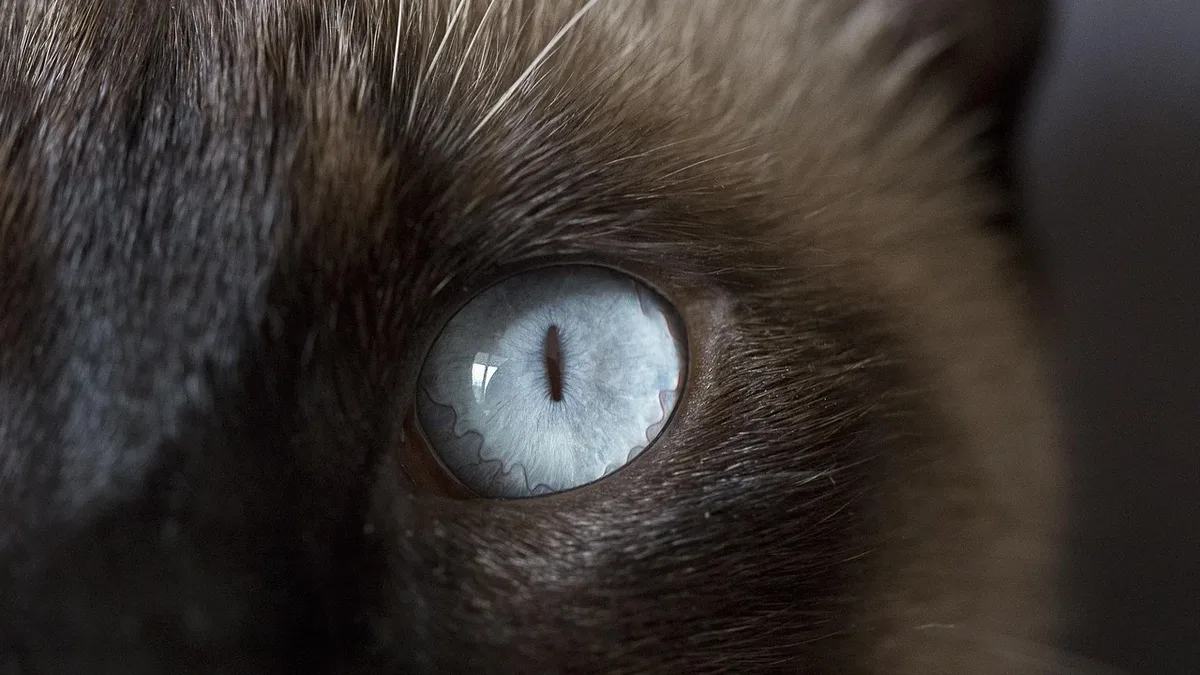
Corneal ulcers are a common feline eye problem, and their treatment differs significantly from canine cases. According to veterinary ophthalmologists Louise O'Leary and Inês Mesquita, feline herpesvirus 1 (FHV-1) is a primary cause and should be presumed unless another etiology is identified.
A thorough diagnosis is critical. The process begins with fluorescein staining to confirm epithelial loss. A complete ocular exam under magnification screens for key signs like stromal loss, yellow-white infiltrates, or loose epithelium resembling a wrinkled bedsheet.
Etiology and Risk Factors
The causes of corneal ulcers in cats fall into three categories. Mechanical epithelial removal, such as from entropion, is common. Increased epithelial vulnerability from conditions like dry eye or brachycephalic ocular syndrome is another. Spontaneous epithelial loss, most often from FHV-1, is the most frequent cause.
Brachycephalic cats face a higher ulcer risk. Maine Coons, males, young adults, and middle-aged to older cats are predisposed to entropion. A history of stress, upper respiratory signs, or corticosteroid use supports potential FHV-1 involvement.
Diagnostic Process and Adjunctive Tests
Beyond the basic exam, several tests aid diagnosis. The Schirmer Tear Test measures tear production and is indicated for chronic cases; a result below 9 mm/min on two occasions suggests feline tear deficiency. Fluorescein stain patterns can hint at the cause: axial staining may point to brachycephalic syndrome, while ventrolateral staining suggests entropion.
Corneal cytology and culture are recommended for ulcers with signs of infection, such as stromal loss or infiltrates. For suspected FHV-1, there is no reliable diagnostic test, so diagnosis often relies on clinical signs and response to therapy. PCR testing can be used but may yield false negatives.
Management Strategies
Treatment depends on the ulcer type and presence of infection. Uncomplicated superficial ulcers often heal with topical antibiotic prophylaxis, like erythromycin or triple antibiotic ointment. Pain management with oral nonsteroidal anti-inflammatories is also key.
For ulcers secondary to FHV-1, antiviral therapy is essential. Options include topical idoxuridine, trifluridine, or cidofovir, and oral famciclovir. Nonhealing superficial ulcers with loose epithelium may require mechanical intervention, such as debridement with a cotton-tipped applicator or diamond burr, combined with antiviral drugs.
Infected or melting ulcers demand aggressive treatment. This includes fortified topical antibiotics, often a combination like cefazolin with tobramycin. Anticollagenase agents such as serum or EDTA are used for keratomalacia.
Complications and Surgical Options
A common complication in cats with nonhealing ulcers is corneal sequestrum, a dark brown to black discoloration of the cornea. Prompt ulcer treatment aims to avoid this. Surgical options become necessary for certain cases. Superficial keratectomy is used for nonhealing ulcers or sequestra. Conjunctival grafts or flaps are indicated for deep ulcers or descemetoceles.
Other procedures address underlying causes. Entropion correction is vital if eyelid conformation is a factor. For feline acute corneal hydrops, characterized by sudden corneal swelling, treatment involves topical hypertonic saline and may require surgical repair if perforation is imminent. Monitoring a patient's injuries and recovery progress is part of ongoing care.
The prognosis is generally good for superficial ulcers with appropriate treatment. However, deep ulcers, especially those with perforation or sequestrum formation, carry a more guarded outlook. Successful management hinges on identifying the specific etiology and tailoring the approach accordingly, a principle that applies across all aspects of a pet's health stats.