Military Working Dog Care Chain Explained by Army
A retired US Army Veterinary Corps officer details the multi-stage medical evacuation and treatment system for injured military working dogs deployed in
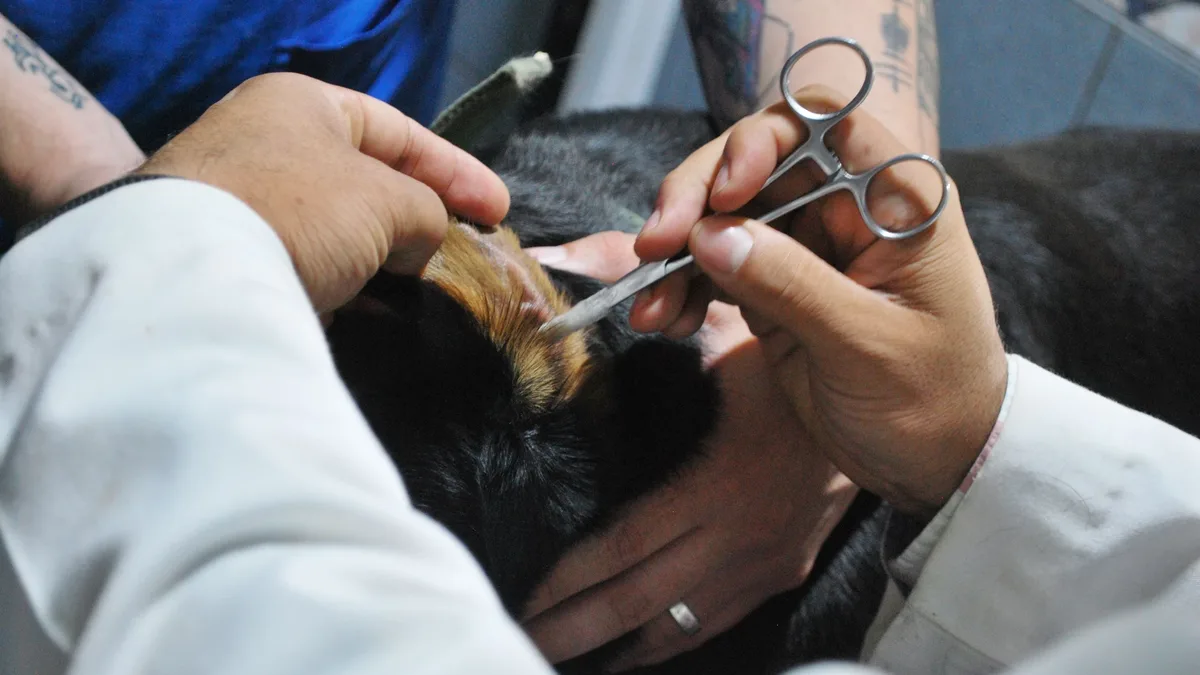
Injured military working dogs receive initial care from their handlers before moving through a hub-and-spoke evacuation system to reach definitive veterinary hospitals. Dr. Kelly Mann, a retired US Army Veterinary Corps officer, outlined this chain of care in an interview with dvm360.
Handler as First Responder
The process begins with the dog's handler at the point of injury. Handlers are trained as first responders, with their medical training varying by program and evolving throughout their careers. "For many years, the handler has been considered the first responder who's going to be there at the point of injury with the dog," Mann stated. This foundational training allows for immediate stabilization in the field.
Evacuation Through Human Medics
After the handler provides initial care, the dog-handler team typically encounters human medical personnel next. A medic at the platoon level is often the next professional to assist. The goal is to stabilize the traumatized animal and initiate movement toward more advanced care facilities. This stage involves medical evacuation to a Role 1 or Role 2 level medical facility, which are basic forward aid stations.
Veterinary Support on the Battlefield
The U.S. Military deploys veterinary medical detachments to provide direct veterinary service support in combat zones. However, these specialists cannot be everywhere simultaneously. Mann described the overall structure as a "hub-and-spoke system." Teams in remote areas feed back to progressively larger operating bases where enhanced hospital capabilities, for both animals and humans, are located.
Progression to Definitive Care
The evacuation chain ultimately moves the dog out of the immediate theater of operations to a fixed veterinary facility. The final destination depends on the deployment location. Definitive care facilities are typically located in Germany, Japan, or at major military veterinary sites within the United States, such as in Texas. This system ensures injured working dogs receive specialized, life-saving treatment.
Dr. Kelly Mann, now vice president of veterinary solutions at Mantel Technologies, focuses her work on working-dog medicine and veterinary trauma research. The detailed pathway highlights the logistics and planning dedicated to maintaining the health of deployed canine personnel.