Supporting healthy fascia improves dog
Animal Wellness Magazine details how dog owners can maintain healthy fascia through movement, stretching, and manual therapies to improve mobility and

Dog owners can improve their pet's mobility and overall health by focusing on the care of fascia, a body-wide connective tissue. Supporting this "soft skeleton" through specific practices combats stiffness and supports fluid movement.
Fascia is a continuous web of connective tissue that surrounds and links a dog's muscles, bones, joints, organs, nerves, and blood vessels. The source describes it as an internal support system that is flexible and adaptive, unlike rigid bone. This tissue enables coordinated movement and is important for stability, balance, and strength.
Why fascia health is important
Healthy fascia is elastic and well-hydrated, allowing for smooth gliding between tissues during activities like running and jumping. The magazine states that fascia is rich in nerve endings, making it key for balance and body awareness. It also aids circulation and healing by helping move blood and lymph to deliver nutrients and remove waste. Because it connects everything, a restriction in one area, such as the shoulder, can manifest as a gait change in the rear limbs.
Five methods for maintaining fascia
Fascia responds well to consistent care. The source outlines five key approaches for dog owners.
First, encourage regular and varied movement beyond daily walks. This includes adding backward and sideways walking, using different terrains like grass and hills, and allowing safe, controlled play.
Second, incorporate gentle stretching and mobility work. Simple exercises like encouraging a dog to reach for treats, described as "cookie stretches," can promote flexibility and body awareness.
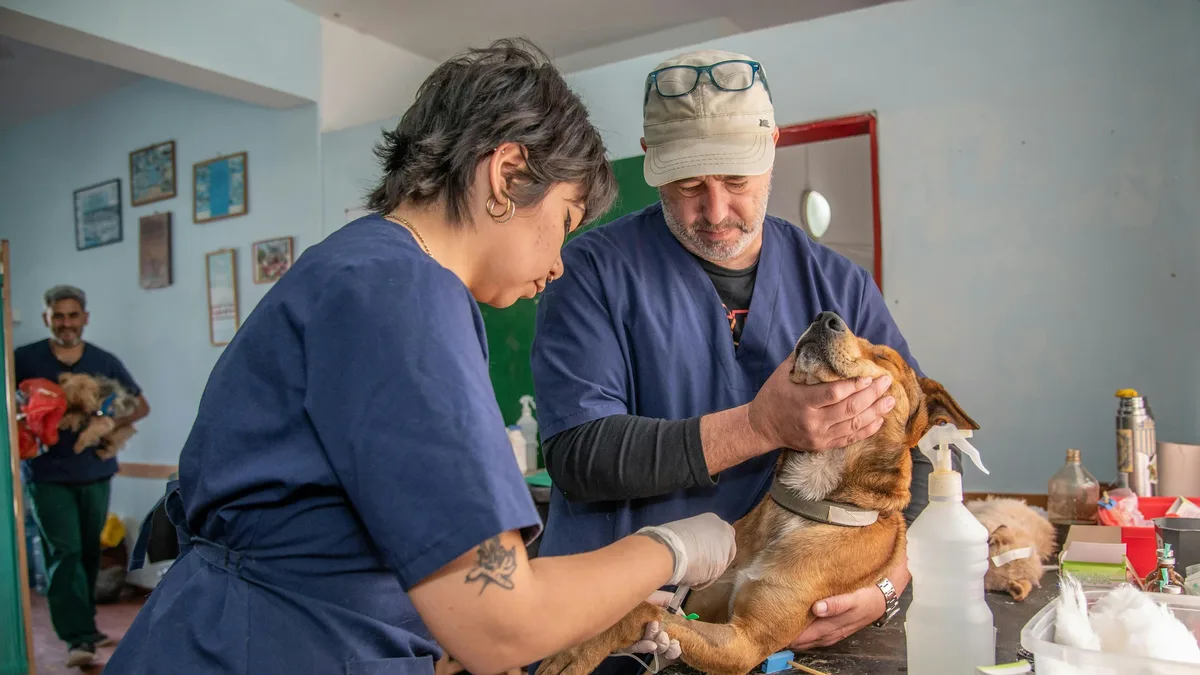
Third, consider touch and manual therapies. Options such as massage, myofascial release, chiropractic, and acupuncture can improve fascial mobility. The article advises consulting a holistic or integrative veterinarian about these treatments.
Fourth, keep dogs appropriately active based on their age, condition, and fitness level to avoid both stiffness and injury.
Fifth, support recovery with rest that includes gentle movement rather than complete immobility after activity.
Signs of fascial problems
Unhealthy fascia can become tight, sticky, and less elastic due to inactivity or stress. This can limit movement, decrease circulation, increase stiffness, alter posture, and contribute to chronic pain. The source lists subtle signs for owners to watch for, which are often evident before obvious lameness occurs.
Dr. Laurie McCauley, a veterinary rehabilitation pioneer cited in the author profile, contributed to the report. The article concludes that addressing fascial health helps dogs move freely, stay active longer, and enjoy a better quality of life.